Sunday, 5th April 2026

Khaborwala Online Desk
Published: 17th March 2025, 4:12 AM
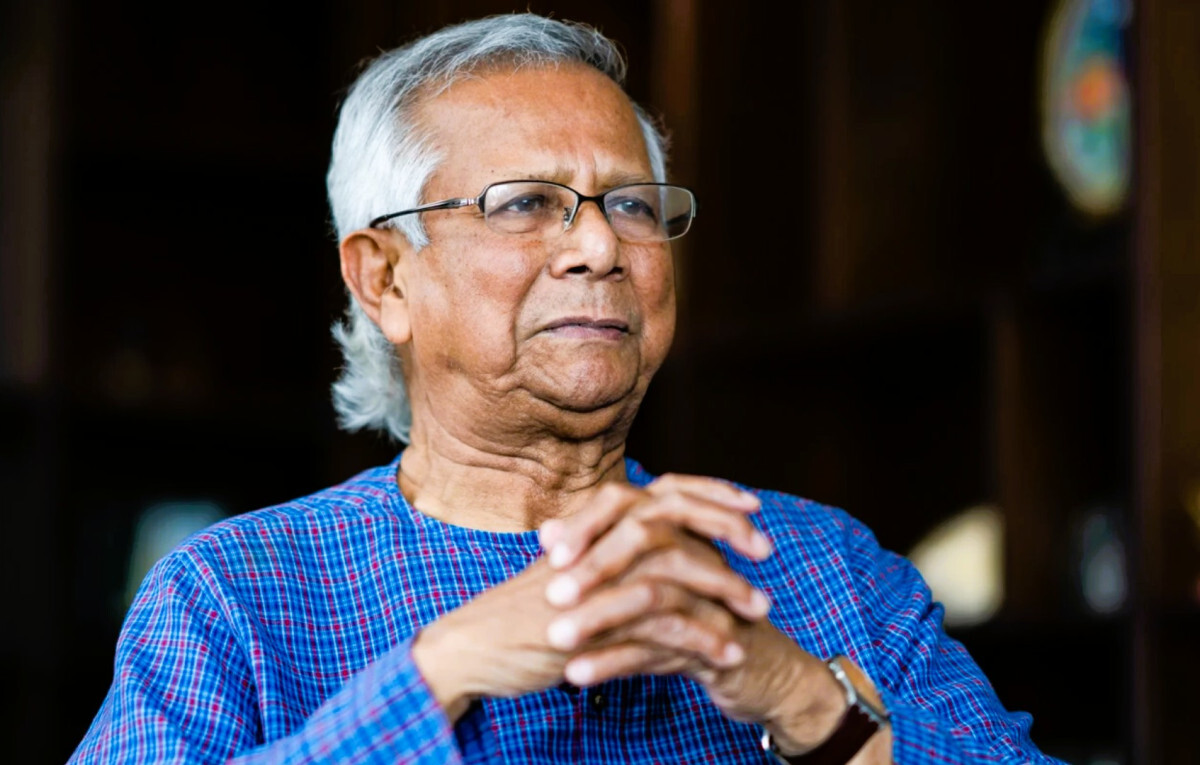
Chief Adviser Professor Muhammad Yunus has underscored the pressing need for reforms, emphasizing that the interim government has limited time ahead of the December elections.
“The interim government does not have much time. Seven months have already passed. Whatever reforms we intend to implement must be completed by then,” Prof Yunus said while addressing a gathering of police officers today.
Stressing the pivotal role of law enforcement, he remarked, “The police are the most important team in Bangladesh. Any government initiative ultimately depends on them to create the necessary environment for implementation.”
He emphasized that without law and order, governance, democracy, human rights, and citizens’ rights cannot be upheld.
“The police are on the frontlines, laying the groundwork for progress. Without their efforts, no ambition or financial resources will be effective,” he added.
Referring to the political upheaval in July, Yunus called it a “great opportunity” for reform and urged officials not to let it go to waste.
“Those who come to power in the future must also continue on this path,” he said.
He assured law enforcement that the government is committed to addressing their challenges within the current political landscape.
Prof Yunus also noted that Bangladesh’s reform efforts have gained strong international support.
Addressing the police’s role in the past, the chief adviser acknowledged that they were often forced to follow government orders during challenging times.
“In this new Bangladesh, the police must prove their commitment to law and order. They must demonstrate that they were victims of circumstance, not wrongdoers, and that they are now ready to help build a reformed nation,” he urged.
Calling for a shift in policing culture, he said, “The perception has been that the police focus on wrongdoing first. But we must start by recognizing the good and acting on it. A few corrupt individuals do not define an entire force.”
Encouraging a renewed sense of duty, he told officers, “Our duty is not to obstruct people but to facilitate their paths. We must stand by them, ensuring they remain within the law while providing them the support they need.”
Acknowledging that the past 16 years have left a lasting impact, Prof Yunus stressed that change will not happen overnight.
“We cannot erase history in a day. But as individuals, we can redefine our responsibilities and establish a new image for the police force in a reformed Bangladesh,” the chief adviser said, adding, “The past does not define us; we are ready to shape the future.”

Comments