Sunday, 5th April 2026

Khabor Wala Desk
Published: 28th February 2025, 1:05 AM
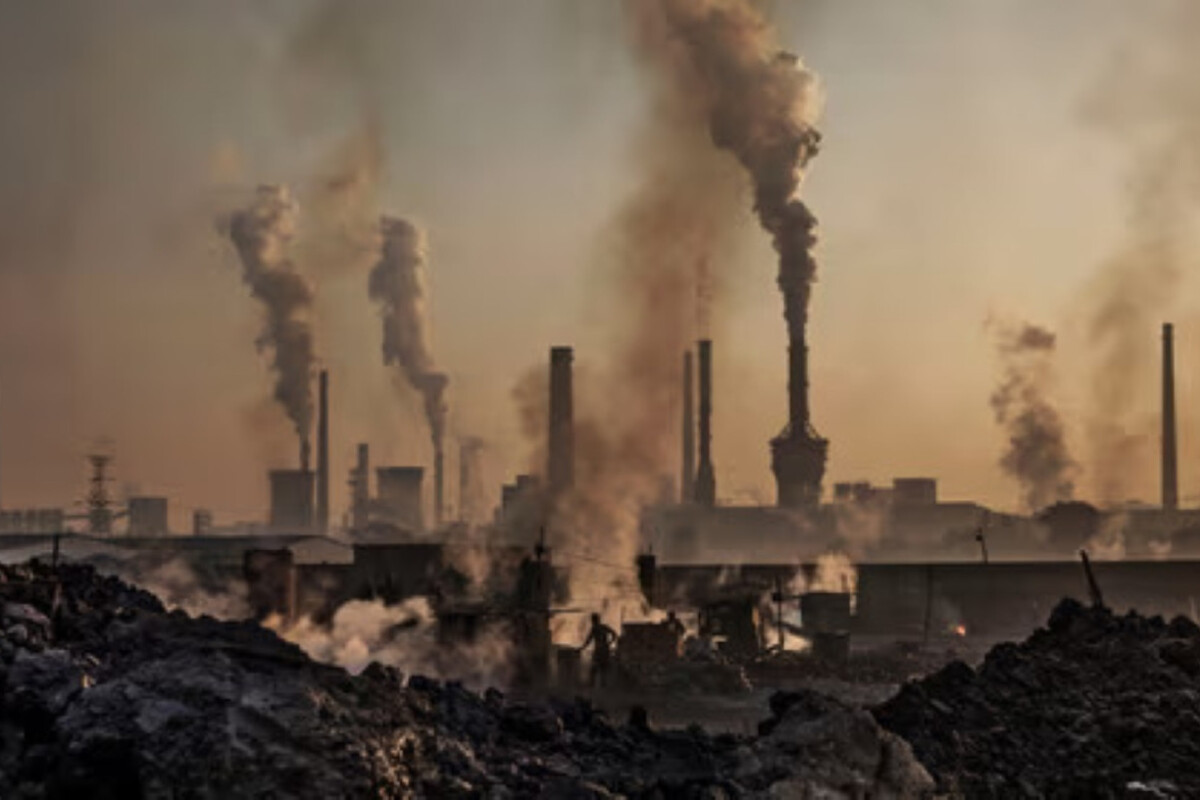
BEIJING, 28 February 2025 (BSS/AFP) – China fell short of a crucial climate target in 2024, as emissions in the world’s second-largest economy continued to rise, with coal remaining dominant despite record increases in renewable energy capacity, official data revealed on Friday.
According to figures released by Beijing’s National Bureau of Statistics, China’s carbon intensity – the amount of carbon dioxide emitted per unit of GDP – declined by 3.4 percent in 2024. However, this reduction fell short of the official target of 3.9 percent, leaving the country behind in its goal of an 18 percent decrease between 2020 and 2025.
The data further indicated that overall carbon emissions in China continued to increase last year.
Muyi Yang, a senior energy analyst for Asia at the think tank Ember, highlighted that growth in China’s energy-intensive industrial sector was hindering progress towards its climate objectives.
“Rapid industrial expansion has driven energy demand to increase at a rate that surpasses the development of clean energy infrastructure,” he told AFP.
Yang emphasised the need for reforms, including greater flexibility in the energy market and further investment in clean energy, to ensure that industrial growth does not undermine the country’s long-term sustainability goals.
Under the Paris Climate Agreement, nations are required to submit action plans every five years detailing their contributions towards global temperature targets by 2035. As part of its commitments, China has pledged to cut its carbon intensity by 65 percent from 2005 levels by 2030.
While China remains the world’s largest emitter of greenhouse gases, it is also leading the way in renewable energy development. The country aims to reach peak carbon emissions by 2030 and achieve net-zero emissions by 2060.
Despite a 4.3 percent increase in total energy consumption compared to 2023, renewable energy saw significant growth last year. However, coal, a major pollutant, continued to account for over half of China’s energy supply.
“China is approaching the point where all additional electricity demand will be met by renewables,” Yang noted. “Once that threshold is crossed, coal power will start to decline in absolute terms.”
Beijing is expected to unveil details of its 15th Five-Year Plan, covering the period from 2026 to 2030, later this year. This plan is likely to include updated emissions reduction and energy transition targets.
Additionally, China was due to submit its revised Nationally Determined Contributions (NDCs) under the Paris Agreement in February. However, only a handful of countries have submitted their new NDCs so far.
China’s progress in meeting its climate goals will have significant implications for global efforts to combat climate change, given its pivotal role in both emissions and renewable energy development.




Comments