Monday, 6th April 2026

Khabor Wala Desk
Published: 7th March 2026, 8:19 AM
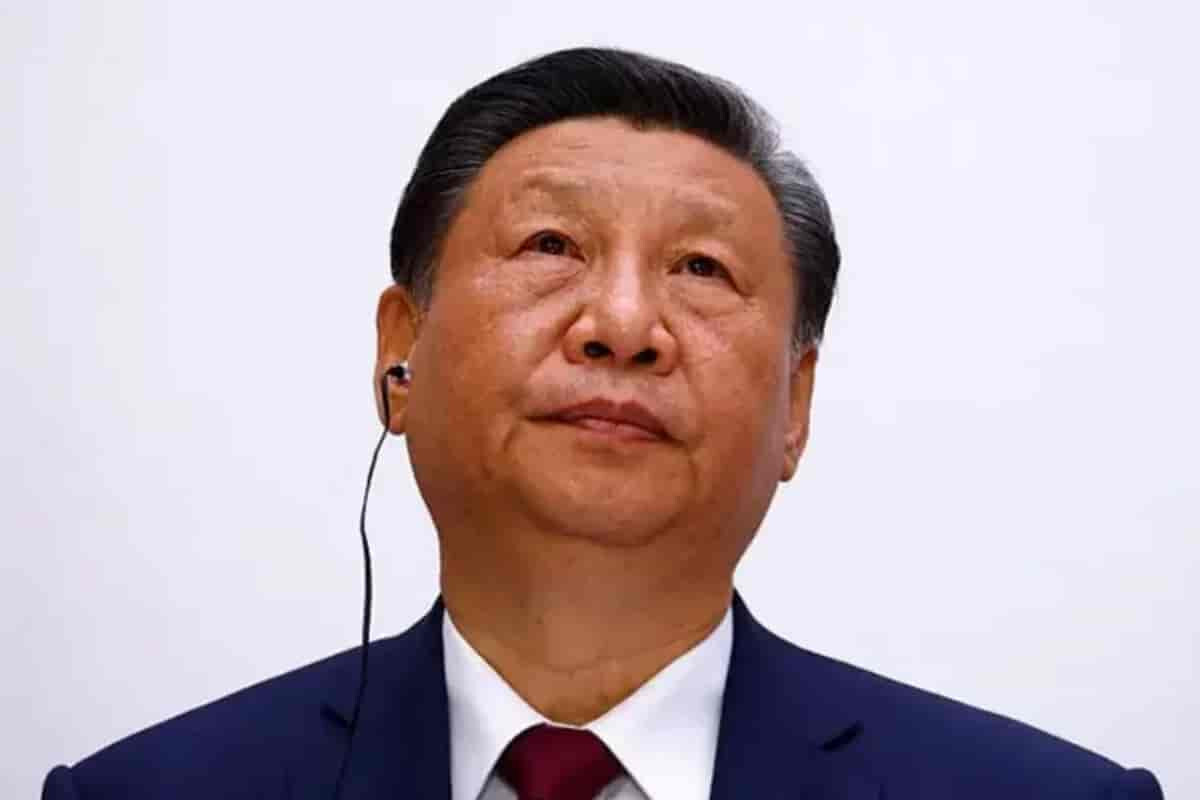
Amid escalating tensions in the Middle East, China is beginning to feel the ripples of instability, though the immediate impact on its economy remains contained. Beijing currently maintains several months’ worth of crude oil reserves, sufficient to meet short-term needs, and could seek supplementary supplies from neighbouring Russia if necessary.
However, Chinese strategists are now calculating the potential long-term effects. The concern extends beyond investments in the region to the broader implications for China’s strategic planning and global positioning.
This week, thousands of representatives of the Chinese Communist Party are convening in Beijing to discuss the nation’s economic trajectory. Topics under scrutiny include declining consumer spending, prolonged challenges in the property sector, and the burden of substantial domestic debt. While high-tech industries and renewable energy sectors are expanding rapidly, the government has lowered its economic growth expectations for the first time since 1991.
China had initially hoped that boosting exports could offset domestic economic pressures, yet the past year has seen continued trade friction with the United States. Now, unrest in the Middle East threatens maritime supply routes critical to Chinese energy imports.
The longer Middle Eastern instability persists, the greater the potential consequences for China, particularly if shipping through the Strait of Hormuz is disrupted.
| Factor | Current Status | Potential Impact |
|---|---|---|
| Daily crude oil imports from Iran | 1.38 million barrels (~12% of total imports, 2025) | Supply vulnerability if conflict escalates |
| Chinese investments in Iran | $400 billion pledged over 25 years | Only a fraction realised; strategic leverage limited |
| Military cooperation allegations | Training & parts for ballistic programs | Raises diplomatic and reputational risks |
| Technological support | Surveillance & facial recognition tech | May implicate China in human rights concerns |
Philip Shetler-Jones of the Royal United Services Institute notes that sustained instability could also impact Chinese investments elsewhere, including in Africa, where countries have benefited from long-term engagement with Gulf partners. A reduction in investment could trigger instability, potentially undermining China’s long-term interests.
While Western analysts have long cited Iran as a Chinese ally, the relationship is largely transactional. China’s engagement with Iran is motivated more by strategic convenience than deep ideological or cultural affinity. Chinese leaders have consistently avoided binding military alliances or direct intervention in conflicts, preferring to maintain a cautious, observer role.
Beijing has condemned the US and Israeli strikes on Iran and called for a ceasefire. Yet previous US interventions, such as in Venezuela, underscore China’s limited capacity to protect partners militarily. As Shetler-Jones explains, China seeks to position itself as a balancing power against the United States but lacks the military reach to exert decisive influence globally.
China is exploring diplomatic avenues, engaging with Oman and France, and preparing to send a special envoy to the Middle East. These moves aim to mitigate the economic and geopolitical fallout, especially ahead of US President Donald Trump’s anticipated visit to Beijing later this month. Analysts see the visit as an opportunity for China to gauge Washington’s position on sensitive issues like Taiwan and regional military interventions.
Steve Tsang of SOAS China Institute suggests that disruptions in energy and transport will hit the Global South harder than Western nations, with potential short-term food shortages in developing countries. Beijing is closely monitoring these developments, seeking to leverage the crisis without being drawn into direct confrontation.
China faces a delicate balancing act: maintaining strategic interests, protecting economic supply chains, and projecting global stability, all while avoiding entanglement in conflicts it cannot fully control. The unfolding Middle East crisis has underscored Beijing’s cautious, measured approach to global crises, reflecting both pragmatism and strategic patience.


Comments