Monday, 6th April 2026

Khabor Wala Desk
Published: 2nd April 2026, 6:15 PM
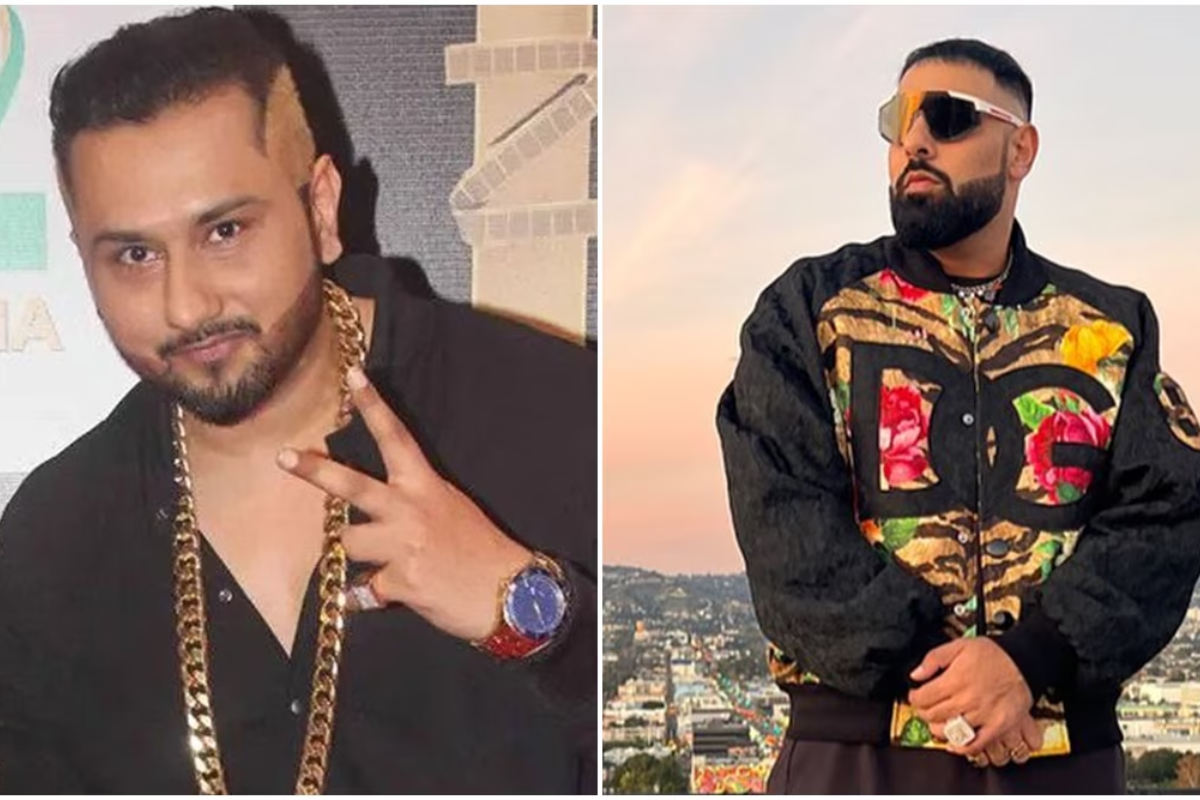
Indian rap and pop stars Badshah and Yo Yo Honey Singh have found themselves at the centre of a renewed legal controversy after a two-decade-old track was ordered to be removed from all online platforms by the Delhi High Court. The ruling comes amid allegations that the song contains offensive content and portrays women in a degrading manner.
The disputed track, “Volume One”, originally released around 2006–2007 during the early phase of their careers, has been described by the court as containing “vulgar and objectionable” lyrical and visual elements. According to the judgment, the song allegedly depicts women as objects of consumption, raising serious concerns about its impact on social values and youth culture.
The court further observed that artistic freedom cannot be used as justification for content that undermines dignity or promotes harmful stereotypes. It stated that material of this nature has no legitimate place in a “civilised commercial entertainment space” and directed that the song be taken down from all digital and streaming platforms with immediate effect.
The ruling has reignited debate in India over the limits of creative expression in popular music, particularly in the hip-hop and rap genres, which have often faced scrutiny for explicit lyrics and provocative imagery.
| Aspect | Details |
|---|---|
| Song | Volume One |
| Release period | 2006–2007 |
| Artists involved | Badshah, Yo Yo Honey Singh |
| Court | Delhi High Court |
| Key ruling | Removal from all online platforms |
| Core allegation | Obscene and degrading portrayal of women |
| Legal basis | Protection of public morality and dignity |
The controversy is further amplified by the artists’ recent public attention. Badshah has recently faced criticism over his latest track “Tatiri”, which drew backlash on social media for alleged insensitive references to women. Meanwhile, Yo Yo Honey Singh has also been embroiled in controversy following reports of an unpleasant incident involving female fans and security personnel during a live concert in Mumbai.
Both artists were once part of the influential music collective Mafia Mundeer, which played a significant role in shaping India’s early commercial rap scene. During that period, they collaborated on several tracks, including the now-contested “Volume One”. However, the group eventually disbanded in 2012 due to internal disagreements, marking the beginning of a long-standing public and professional rift between the two musicians.
Industry observers note that the resurfacing of older material in the digital age has created new legal and ethical challenges for artists, as platforms make archived content widely accessible to new audiences. The court’s decision is being viewed as part of a broader effort to reassess earlier works under contemporary standards of gender sensitivity and public morality.
At the same time, the ruling has sparked discussion within creative circles about the balance between historical artistic context and present-day accountability. While supporters of the decision argue that harmful stereotypes must not be normalised, critics warn that retrospective censorship may set complex precedents for the entertainment industry.
As the case continues to generate debate, the removal of “Volume One” marks a significant moment in the ongoing intersection between law, music, and evolving cultural standards in India’s rapidly expanding digital entertainment landscape.




Comments