Sunday, 5th April 2026

Khabor Wala Desk
Published: 7th March 2026, 11:51 PM
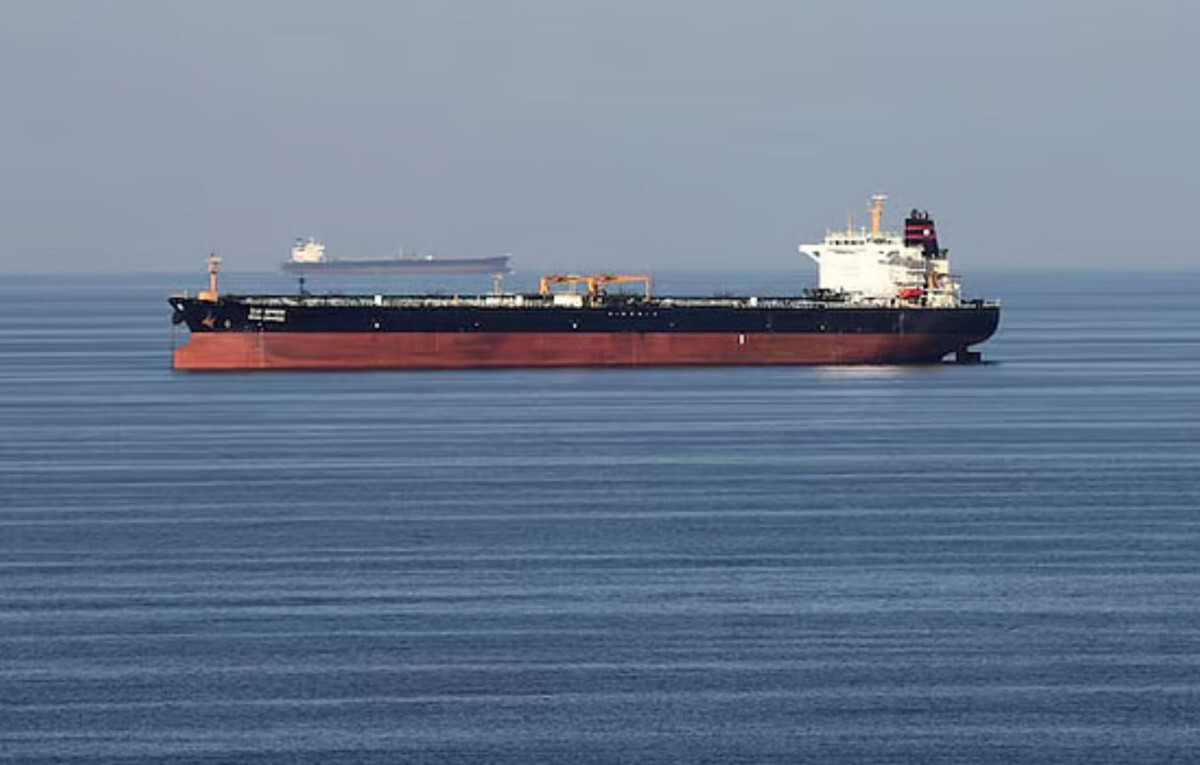
The global energy landscape has been thrust into a state of profound volatility as international crude oil prices experienced a historic leap this week. Driven by escalating military tensions in the Middle East, market benchmarks have reached levels not seen since the autumn of 2023, sparking fears of a prolonged global inflationary spiral.
In what analysts are calling the most significant weekly percentage increase since the inception of futures trading in 1983, West Texas Intermediate (WTI) and Brent Crude have both skyrocketed. By the close of Friday’s trading session, Brent Crude—the global benchmark—surged by over 9%, settling at $93 per barrel. Simultaneously, US-based WTI jumped by 12.21%, or $9.89, to reach $90.90.
The scale of this rally is unprecedented in modern trading history. WTI recorded a staggering weekly gain of 35.63%, while Brent rose by nearly 28%, marking its most aggressive weekly ascent since the initial shocks of the COVID-19 pandemic in April 2020.
| Oil Benchmark | Friday Close (Per Barrel) | Daily Increase | Weekly Increase |
|---|---|---|---|
| Brent Crude | $93.00 | 9.00%+ | ~28.00% |
| WTI (US Crude) | $90.90 | 12.21% | 35.63% |
The primary catalyst for this price explosion is the intensifying conflict involving the United States, Israel, and Iran. As the war entered its seventh day, rhetoric from Washington reached a fever pitch. US President Donald Trump issued a stern demand for Iran’s “unconditional surrender,” while Defence Secretary Pete Hegseth warned that the American military campaign was “only just beginning.”
The strategic focus of the energy market remains fixed on the Strait of Hormuz, a vital maritime chokepoint through which a significant portion of the world’s oil supply flows. Shipping traffic in the region has slowed to a near-standstill due to security risks.
Qatar’s Energy Minister, Saad al-Kaabi, issued a dire warning to the Financial Times, stating that if tanker movement through the Strait is completely halted, prices could hit $150 per barrel within weeks. “This could lead to a total collapse of the global economy,” al-Kaabi cautioned, noting that Gulf exporters may soon be forced to declare force majeure and suspend supply contracts.
The market is no longer merely pricing in “geopolitical risk”; it is now reacting to tangible production cuts.
Iraq: Officials have confirmed the suspension of approximately 1.5 million barrels of daily production.
Kuwait: Output is being scaled back due to critical shortages in storage capacity.
J.P. Morgan Analysis: Natasha Kaneva, Head of Commodities Strategy, warned that if the Strait of Hormuz remains blocked, global production could drop by 6 million barrels per day by the end of next week.
The repercussions are already being felt at the pump. In the United States, the American Automobile Association (AAA) reported that average petrol prices rose by 27 cents in a single week, reaching $3.25 per gallon. Despite the US administration announcing a $20 billion insurance scheme for tankers in the Persian Gulf, market anxiety remains at an all-time high.




Comments