Sunday, 5th April 2026

Khabor Wala Desk
Published: 5th August 2025, 6:03 PM
Countries convened on Tuesday to initiate ten days of intensive negotiations in Geneva, aiming to finalise a landmark global treaty to combat the escalating crisis of plastic pollution.
This diplomatic push follows the collapse of previous efforts in Busan, South Korea, last December, when consensus was blocked by a group of oil-producing nations. Despite that setback, continued behind-the-scenes efforts have set the stage for a renewed attempt under the auspices of the United Nations.
“There’s been extensive diplomacy from Busan till now,” stated Inger Andersen, Executive Director of the UN Environment Programme (UNEP), which is hosting the Geneva talks.
“Will it be easy? No. Will it be straightforward? No. Is there a pathway for a deal? Absolutely.”
Andersen noted that cross-regional dialogue and engagement among varied interest groups have fostered momentum. Most nations, she said, are arriving in Geneva with a commitment to strike a deal.
Microplastics in the Human Body and Beyond
Plastic pollution has become so pervasive that microplastics have been discovered at the highest mountain summits, in the deepest ocean trenches, and within nearly every part of the human body.
The global community pledged in 2022 to finalise a binding agreement by the end of 2024. Yet the latest round of discussions in Busan ended in deadlock.
The negotiations became divided between two camps:
| Position | Countries Supporting | Focus Area |
| Ambitious Treaty | Many developed and environmentally vulnerable nations | Limiting plastic production and phasing out harmful chemicals |
| Minimalist Approach | Primarily oil-producing nations | Managing waste without curbing production |
Despite the impasse, optimism remains. Chairing the current Geneva process, Ecuadorian diplomat Luis Vayas Valdivieso expressed confidence:
“Our paths and positions might differ; our destination is the same. We are all here because we believe in a shared cause: a world free of plastic pollution.”
Momentum from Civil Society: A Call for a Plastic-Free Future
Over 600 non-governmental organisations (NGOs) are attending the Geneva negotiations. Notably, lessons from the failed Busan talks have been implemented — NGOs and civil society now have access to discussions on critical issues, including chemical bans and production caps.
Graham Forbes, head of the Greenpeace delegation, stressed the urgency of action:
“To solve the plastic pollution crisis, we have to stop making so much plastic.
We want a treaty that cuts plastic production, eliminates toxic chemicals, and finances the transition to a fossil-fuel-free, plastic-free future.”
He warned that the fossil fuel lobby is present in force, and said it must not be allowed to dictate humanity’s future.
The Global Plastic Crisis in Numbers
| Global Plastic Production & Disposal (Annual) | Quantity (Tonnes) | Share (%) |
| Total Plastic Produced | 400+ million | 100% |
| Single-Use Plastics | ~200 million | 50% |
| Collected for Recycling | 60 million | 15% |
| Actually Recycled | 36 million | 9% |
| Sent to Landfills | 184 million | 46% |
| Incinerated | 68 million | 17% |
| Mismanaged Waste (Litter) | 88 million | 22% |
A recent report published in The Lancet described plastic pollution as a “grave, growing, and under-recognised danger” to human health. It estimates the annual global health-related economic losses at a staggering $1.5 trillion.
The review compared the health impacts of plastic to air pollution and lead, noting that these risks could be mitigated through effective legislation and policy.
Symbolism and Opposition
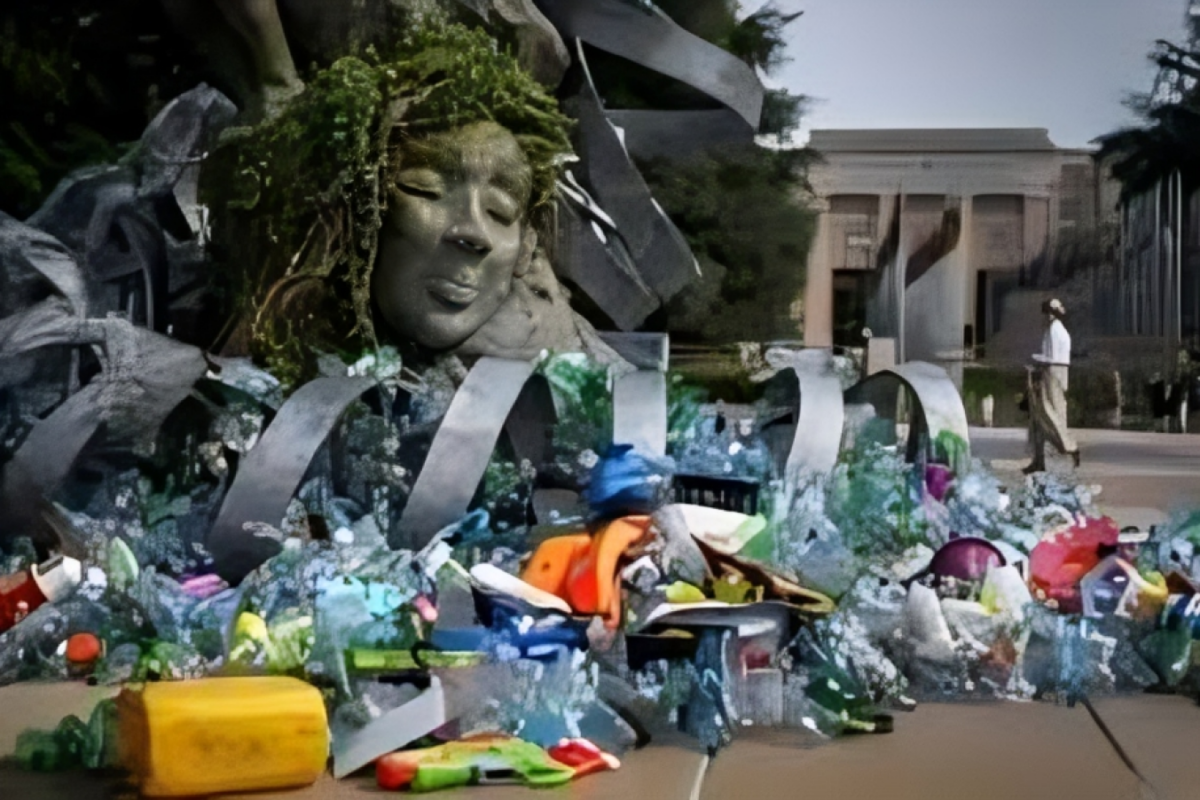
To underline the urgency of the crisis, Canadian artist and activist Benjamin Von Wong has created a thought-provoking art installation outside the UN. Titled “The Thinker’s Burden”, the piece replicates Auguste Rodin’s famed sculpture The Thinker, gradually being engulfed by mounds of plastic waste throughout the duration of the talks.
“If you want to protect health, then we need to think about the toxic chemicals that are entering our environment,” Von Wong told AFP.
However, not all voices support the current trajectory of the treaty. Matthew Kastner, spokesperson for the American Chemistry Council, defended the plastics industry, arguing:
“The products we create are vital to public health — from medical devices and surgical masks to child safety seats and water pipes.”



Comments