Sunday, 5th April 2026

Khabor Wala Desk
Published: 9th November 2025, 9:48 AM
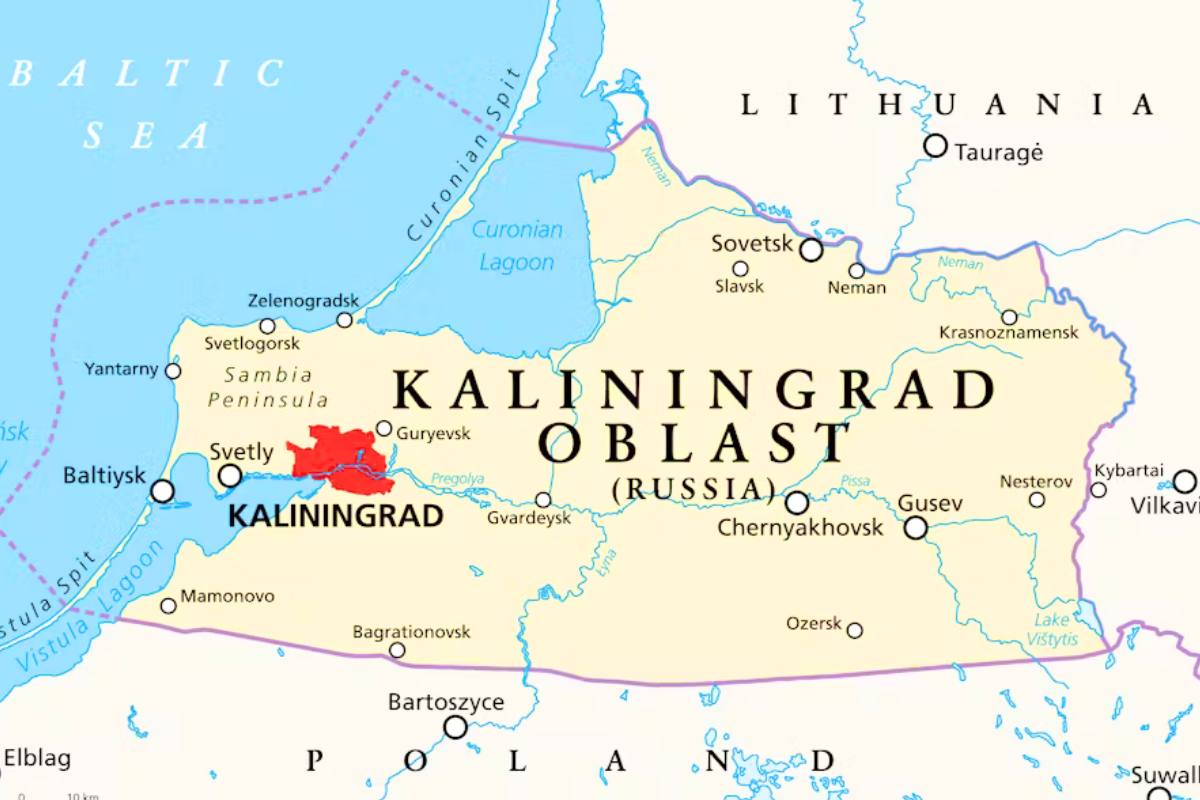
In the heart of rain-soaked Kaliningrad, the Russian exclave hemmed in by NATO nations, 25-year-old factory worker Alexander stood resolute. Despite the region’s deepening economic woes and growing isolation, locals like him insist that their city will not bow under pressure.
Separated from mainland Russia and surrounded by Poland and Lithuania, both members of NATO and staunch supporters of Ukraine since Moscow’s 2022 invasion, Kaliningrad now finds itself in a precarious position — economically squeezed and politically isolated.
“They want to show their strength and reinforce their borders,” said Alexander, referring to Russia’s western neighbours. “But our city will never surrender.” His words mirror the Kremlin’s persistent accusations that NATO betrayed promises not to expand eastwards — claims repeatedly dismissed by Western governments as propaganda used to justify Russia’s aggression.
The tension between Russia and its neighbours has intensified in recent months. Poland and Lithuania have all but closed their borders to Russian citizens, while Estonia and Lithuania reported airspace violations by Russian aircraft. Poland’s president, Karol Nawrocki, recently warned that Russia appeared “ready to strike other countries” after NATO fighter jets intercepted Russian drones entering Polish airspace.
Once known as Königsberg, Kaliningrad was a German city before becoming Soviet territory after World War II. Today, it hosts Russia’s Baltic Fleet and Iskander missile systems, making it a strategic stronghold. Despite its military significance, its people face the harsh realities of sanctions and geographic isolation.
Marina, a 63-year-old shop worker, dismissed fears of NATO threats. “Let them bark,” she said defiantly. “I feel completely protected here in Kaliningrad.”
Local tour guide Anna Dmitrik, who shows visitors the tomb of philosopher Immanuel Kant, said the region had so far been spared the Ukrainian drone attacks that have struck elsewhere in Russia. “It’s calm for now,” she admitted. “But no one knows what will happen next.”
Despite their bravado, many residents privately concede that life has become far harder since 2022. Flights from Kaliningrad to mainland Russia now take lengthy detours over the Gulf of Finland, and trains to Moscow are sealed during transit through Lithuania, requiring passengers to hold visas or permits.
“Before, we could just go to Poland for a walk or shopping,” recalled mechanic Vitaly Tsypliankov, 48. “Now everything is closed. Everything costs more.”
Inflation across Russia has worsened living standards nationwide, but Kaliningrad’s logistical hurdles have deepened the strain. “Bringing in goods is so complicated,” said Irina, a saleswoman in the near-deserted Baltia shopping mall. “Everything here is more expensive.”
While banners across the city urge men to join the “victorious army” in Ukraine and the symbolic ‘Z’ marks buildings in patriotic solidarity, everyday life in Kaliningrad is marked by anxiety and scarcity.
Beneath the slogans and defiance, many quietly yearn for the days when the borders were open — and life, as they put it, “was better then.”


Comments