Sunday, 5th April 2026

Khabor Wala Desk
Published: 1st March 2025, 9:08 AM
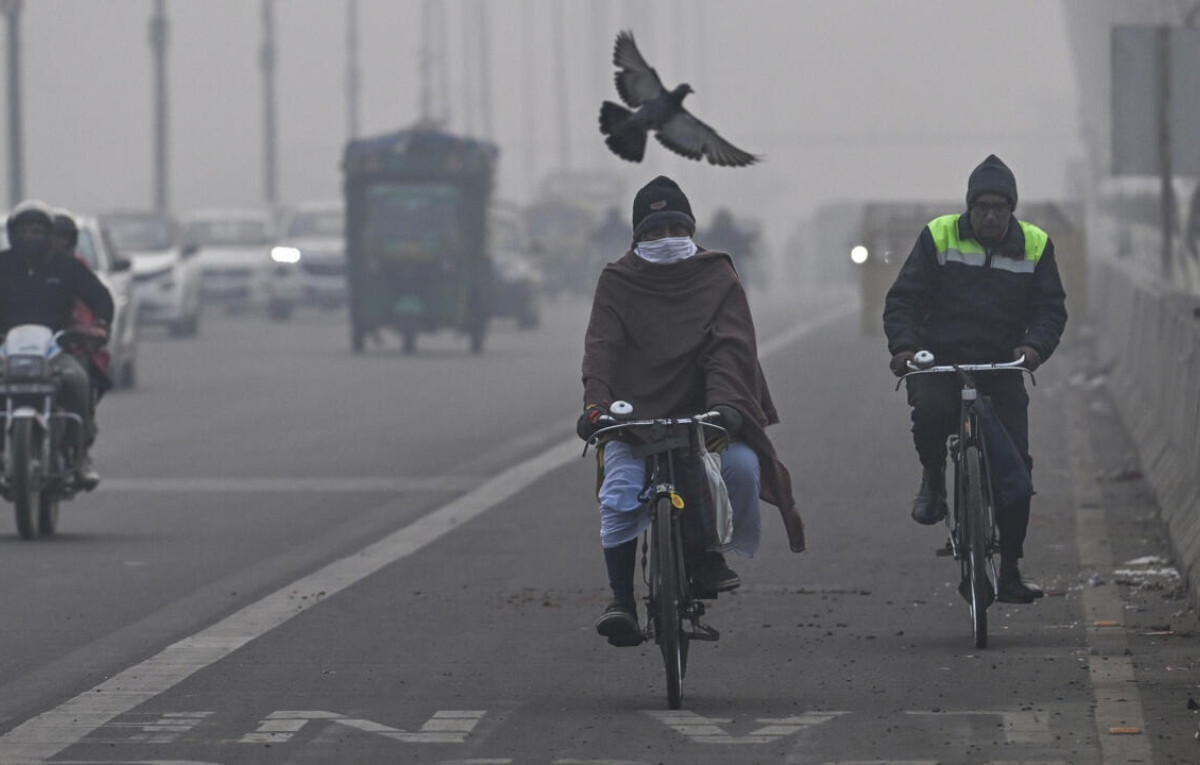
NEW DELHI, 1 March 2025 (BSS/AFP) – Vehicles over 15 years old will soon be prohibited from refuelling in New Delhi, the city’s government announced on Saturday, as part of a broader strategy to address the capital’s alarming air pollution crisis.
New Delhi is consistently ranked among the most polluted cities in the world, with a thick layer of toxic smog engulfing the city annually. The primary contributors to this severe pollution include agricultural stubble burning in neighbouring states, emissions from factories, and vehicular exhaust fumes. Cooler temperatures and stagnant air further exacerbate the problem each winter by trapping harmful pollutants.
While the operation of diesel vehicles older than 10 years and petrol vehicles older than 15 years is already prohibited in Delhi, many non-compliant vehicles continue to be in use, contributing significantly to air pollution levels.
The city’s Environment Minister, Manjinder Singh Sirsa, informed reporters on Saturday that the government had reached the decision to ban refuelling for these older vehicles following an extensive meeting on air pollution. “We have decided to stop supplying fuel to vehicles over 15 years old from 31 March 2025,” Sirsa stated.
To enforce this measure, petrol stations across the capital will be equipped with technology to identify and deny service to non-compliant vehicles.
The Delhi government has also outlined a series of complementary initiatives to tackle air pollution. These include the transformation of barren land into new forests and mobilising university students to participate in large-scale tree planting drives.
Furthermore, it will be mandatory for high-rise buildings, hotels, and Delhi’s international airport to install anti-smog guns and other pollution-control devices. These measures aim to mitigate the impact of airborne pollutants and improve air quality in the city.
Air pollution has become a worsening public health crisis in New Delhi, with adverse effects on the respiratory health of its citizens. Recurrent school closures have become an annual reality, as authorities attempt to protect children from prolonged exposure to toxic air.
At its peak, pollution levels in the city have recorded PM2.5 concentrations more than 60 times higher than the World Health Organization’s recommended daily limit. PM2.5 particles are particularly hazardous as they can penetrate deep into the lungs and enter the bloodstream, leading to severe health complications, including cancer and cardiovascular diseases.
Despite various past initiatives—such as restrictions on fossil fuel-powered vehicles and water tankers spraying mist to reduce particulate matter—authorities have struggled to achieve a substantial improvement in air quality.
This latest move aligns with broader efforts to curb vehicular emissions in India. Other cities across the country are also grappling with similar challenges, prompting local governments to explore stricter pollution control measures.
Environmental experts believe that while banning refuelling for old vehicles is a step in the right direction, long-term solutions must include improved public transport infrastructure, widespread adoption of electric vehicles, and stricter enforcement of emission regulations to create a sustainable impact on air quality




Comments