Sunday, 5th April 2026

Khabor Wala Desk
Published: 8th August 2025, 12:51 PM
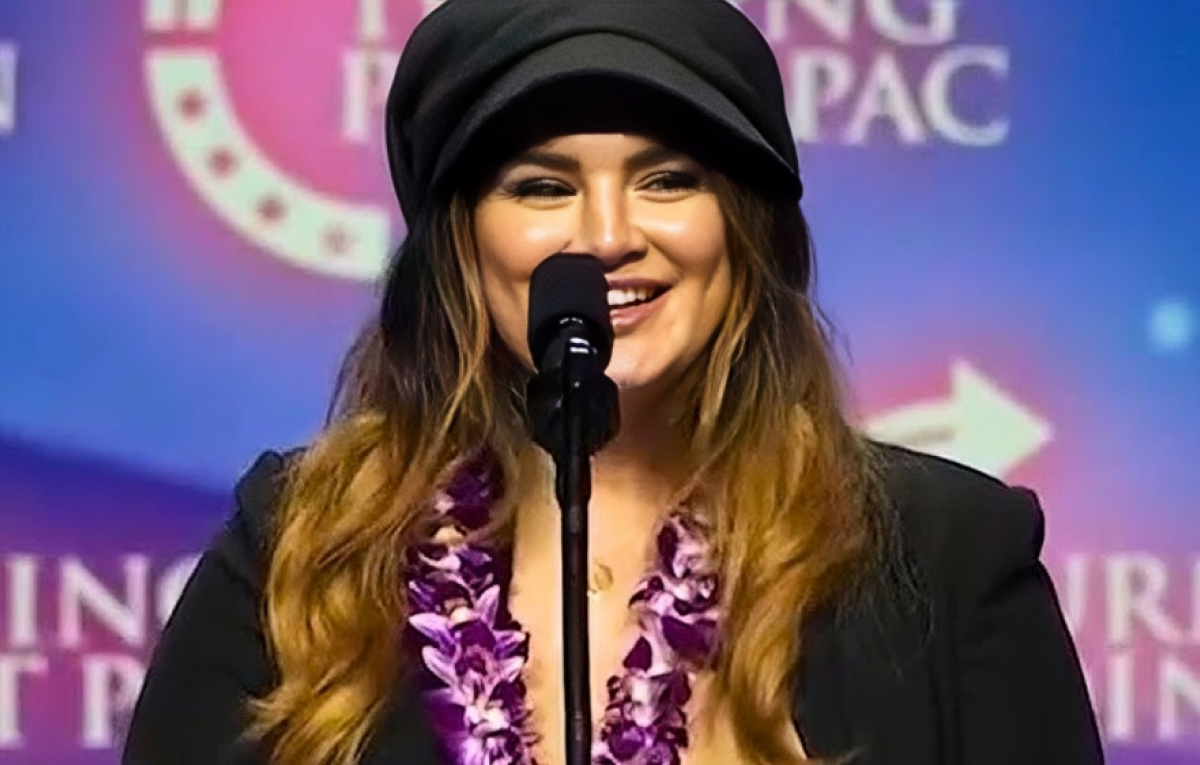
Hollywood giant Disney has reached a settlement with former Star Wars actor Gina Carano, who sued the company following her dismissal from the hit series The Mandalorian over controversial social media posts concerning the Holocaust, COVID-19, and transgender rights.
Carano, a vocal supporter of Donald Trump, was dropped from her role in 2021. She alleged wrongful termination in a lawsuit filed last year with financial backing from billionaire Elon Musk.
Details of the Settlement
On Thursday, a spokesperson for Lucasfilm, the Disney-owned production company behind Star Wars, issued a statement confirming that:
“An agreement with Gina Carano to resolve the issues in her pending lawsuit has been reached.”
The statement also added that Disney and Lucasfilm:
“Look forward to identifying opportunities to work together with Ms. Carano in the near future.”
Neither party disclosed the specific terms of the agreement, but Carano took to her social media platform, X (formerly Twitter), posting:
“…and the truth shall set you free.”
Background of the Controversy
Carano, a former MMA fighter turned actor, portrayed the character Cara Dune in The Mandalorian series. Her firing came after a series of social media posts that Disney at the time labelled as:
“Abhorrent and unacceptable… denigrating people based on their cultural and religious identities.”
Notable Controversial Posts
| Topic | Post/Comment |
| Holocaust Comparison | Compared being conservative in the U.S. to being Jewish in Nazi Germany. |
| Pandemic Mockery | Mocked mask-wearing during the COVID-19 pandemic in California. |
| Trans Rights | Wrote “boop/bop/beep” as her preferred pronouns, which drew criticism from the transgender community. |
One particularly incendiary post claimed:
“Nazi soldiers could easily round up thousands of Jews… because the government first made their own neighbours hate them simply for being Jews.
How is that any different from hating someone for their political views?”
The post was accompanied by a graphic image of a Jewish woman being beaten in Nazi Germany.
Legal Support and Claims
In her lawsuit, Carano argued that she was blacklisted by Disney for expressing personal political views and was subjected to online harassment by what she termed an “extreme progressive mob.”
She also claimed that:
The case gained momentum when Elon Musk offered legal assistance through X Corp., following his public pledge to support individuals who were allegedly fired for free speech on his platform.
Industry and Political Context
| Stakeholders | Involvement |
| Gina Carano | Filed lawsuit, accused Disney of silencing political dissent |
| Elon Musk / X Corp. | Funded Carano’s legal action under free speech initiative |
| Lucasfilm / Disney | Fired Carano, later issued conciliatory statement post-settlement |
| Donald Trump | Carano supported his 2024 campaign, speaking at a rally in Las Vegas |
Carano’s case highlights the increasing intersection of entertainment and politics in the U.S., as Disney finds itself repeatedly caught in what have become known as “culture wars.”
In March, U.S. regulators under Trump’s leadership announced a formal investigation into Disney’s diversity and inclusion initiatives, fuelling debate over ideological bias within corporate structures.
Despite the controversy, Lucasfilm noted:
“Ms. Carano was always well respected by her directors, co-stars, and staff, and she worked hard to perfect her craft while treating her colleagues with kindness and respect.”
The agreement appears to close a heated chapter in Disney’s ongoing struggles to navigate both artistic expression and public accountability in an era of deeply polarised discourse.


Comments