Sunday, 5th April 2026

Khabor Wala Desk
Published: 22nd July 2025, 1:33 PM
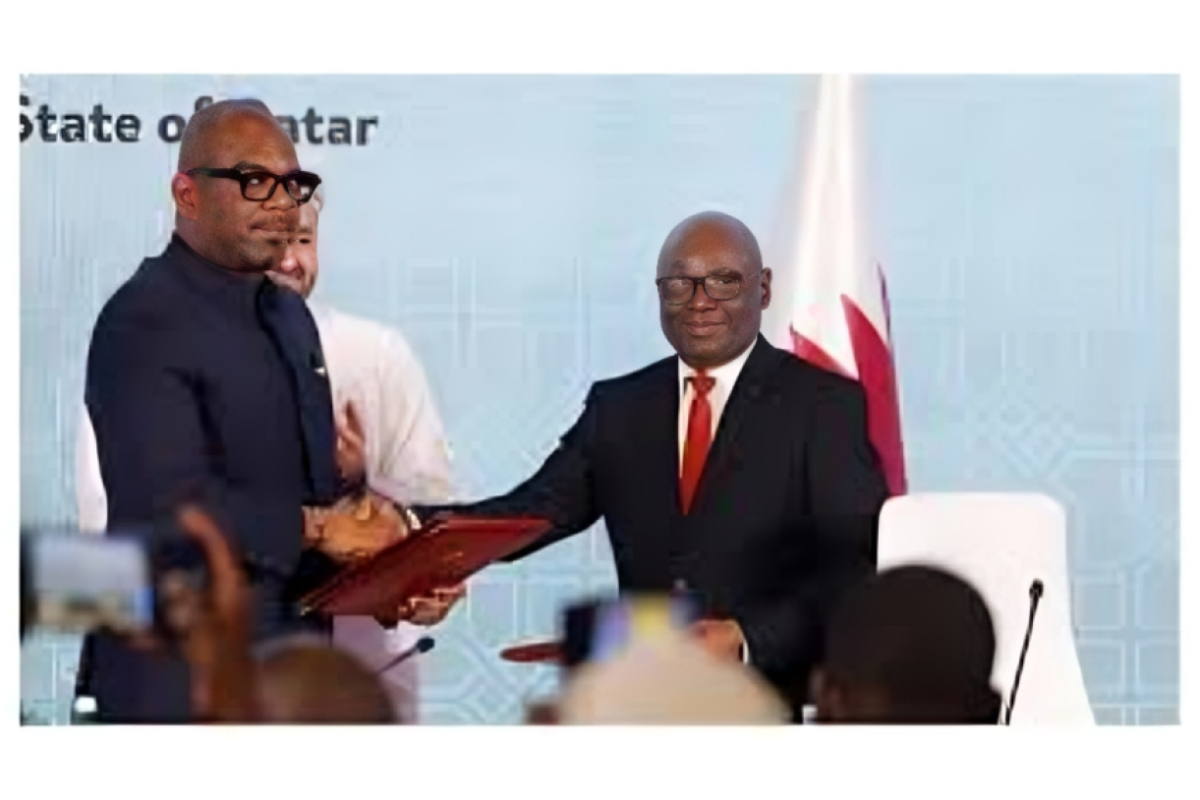
The Democratic Republic of Congo (DRC) is reportedly “close” to achieving peace, following the signing of a ceasefire agreement with the M23, an armed group allegedly backed by Rwanda. This new development brings cautious optimism after years of devastating conflict in the country’s eastern regions.
On Saturday, in Doha, Qatar, both the DRC government and the M23 rebels signed a “declaration of principles” that included a “permanent ceasefire”. The agreement came after three months of intensive talks mediated in Qatar, offering a glimmer of hope to a region that has been battered by conflict for over three decades.
| Key Points | Details |
| Agreement | Permanent ceasefire signed on 1st July |
| Location of Talks | Doha, Qatar |
| Signatories | DRC government and M23 rebels |
| Objective | Restoration of state authority in eastern DRC |
During a joint press briefing late on Monday, DRC’s Interior Minister Jacquemain Shabani expressed optimism about the peace process. He stated, “Peace is a choice,” emphasising that, after decades of instability, he is now “confident and fully convinced that we are close to peace”. Shabani urged the population to “prepare to move towards this objective” and stressed that achieving lasting peace would require “concessions” from both sides.
The M23, a rebel group composed primarily of Tutsi fighters, launched a brutal offensive against government forces in January and February this year, quickly seizing vast territories in the eastern DRC. The group captured strategic areas, including the key provincial capitals of Goma and Bukavu, leading to thousands of deaths and mass displacement of civilians.
While Rwanda has consistently denied allegations of providing military support to the M23, United Nations (UN) experts have reported that the Rwandan army played a “critical” role in the group’s offensive, including providing combat assistance. These claims have added further complexity to the peace process, as Rwanda’s involvement remains a contentious issue.
The declaration signed in Doha also includes a roadmap for restoring state authority in the eastern provinces of the DRC, where the M23 had gained control. This document outlines a series of steps to ensure long-term stability, including direct negotiations aimed at drafting a comprehensive peace agreement between both sides.
Communications Minister Patrick Muyaya, speaking at the same briefing, reiterated the government’s commitment to “definitive peace” and “lasting peace”. He added, “We are moving towards a solution, but we need to ensure that this peace agreement is comprehensive and sustainable”.
Despite the optimistic tone, the DRC has experienced numerous failed ceasefire agreements in the past, which raises concerns about the durability of this new deal. The situation remains fragile, and while the front line has stabilised since February, sporadic skirmishes between M23 fighters and pro-government militias continue to flare up.
Eastern DRC is rich in natural resources, but it has also been the epicentre of ongoing conflict for over 30 years. This prolonged instability has led to a severe humanitarian crisis, with millions of people displaced from their homes. The violence and insecurity have also disrupted livelihoods, leaving many without access to basic necessities such as food, clean water, and healthcare.
In addition to the M23, multiple other armed groups operate in the region, further complicating efforts to restore peace and stability. These groups often exploit the region’s rich mineral resources, perpetuating cycles of violence that fuel both local and regional conflicts.
| Impact of the Conflict | Statistics |
| Displaced People | Over 5 million displaced, most in the east |
| Casualties | Thousands killed, with many more wounded |
| Humanitarian Needs | Basic services and aid heavily restricted |
The international community, including the United Nations and neighbouring African nations, will play a crucial role in supporting the peace process. The DRC government has called for continued dialogue and collaboration with regional partners to address the underlying causes of conflict, such as ethnic tensions, control over resources, and the presence of numerous armed groups.
As the DRC works towards finalising the peace agreement, there is hope that this latest ceasefire could pave the way for long-lasting stability in a region that has been mired in conflict for far too long. However, as history has shown, the path to lasting peace will require persistent efforts from all parties involved, and the international community’s continued support will be critical in ensuring the success of this fragile peace process.


Comments