Sunday, 5th April 2026

Khabor Wala Desk
Published: 3rd August 2025, 4:44 PM
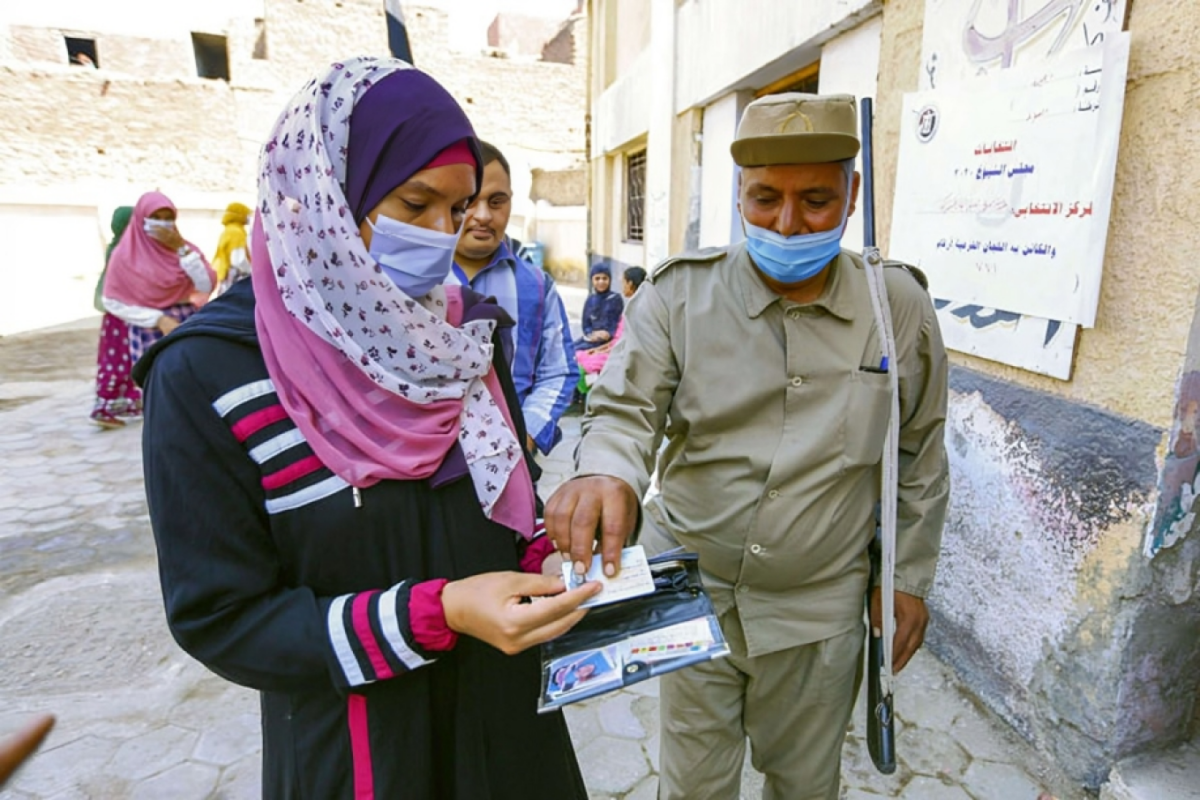
Egyptians are set to cast their votes this week in Senate elections widely regarded as a formality, with the ballot dominated by a pro-government coalition and lacking meaningful opposition.
Election Overview
| Details | Information |
| Election Dates | Two-day vote starting Monday |
| Seats Contested | 200 of 300 Senate seats |
| Presidential Appointments | Remaining 100 seats appointed by President Abdel Fattah al-Sisi |
| Vote Types | 100 individual seats; 100 party-list seats (closed list) |
| Main Contending Bloc | National List for Egypt, a pro-government coalition |
| Other Parties in Coalition | Mostaqbal Watan (Nation’s Future), National Front, Wafd, Tagamoa |
Pro-Government Dominance
The Senate, Egypt’s upper parliamentary chamber, will see the National List for Egypt coalition largely run unopposed in the party-list vote. This 13-member alliance is led by the pro-Sisi Mostaqbal Watan (Nation’s Future) party, which currently dominates parliament, alongside the National Front party, headed by former minister Essam al-Gazzar.
Al-Gazzar’s newly formed party includes former government officials and benefits from the financial backing of business tycoon Ibrahim al-Organi, a close ally of President Sisi.
The coalition also counts historically opposition parties such as the liberal Wafd and leftist Tagamoa, which have now aligned with the ruling establishment.
In the absence of vigorous campaigning, voters received brief text messages from the Homat al-Watan (Defenders of the Nation) party—another coalition member—reminding them to vote.
Candidate Landscape and Opposition
More than 400 candidates are competing for the 100 individual seats. However, many are also affiliated with National List parties, meaning genuine opposition remains very limited.
Senate Background and Function
Two years after the 2011 uprising that overthrew longtime leader Hosni Mubarak, Egypt shifted to a unicameral parliamentary system, dissolving the Senate. The chamber was reinstated six years later, in 2019.
Although the Senate’s opinions are technically consultative, they are typically followed by the more powerful lower house, where genuine opposition is also scarce.
Timeline and Quotas
| Event | Date |
| First Round Results Expected | 12 August |
| Second Round Scheduled | Later in August |
| Final Results Announced | 4 September |
| Senate Term Length | Five years |
| Women’s Quota | At least 10% of seats reserved for women |
Parliamentary elections for the lower chamber are due to follow in November.
Political Context and Human Rights Concerns
President Sisi’s administration, long criticised for its human rights record, initiated a national dialogue in 2022 aimed at engaging the country’s fragmented opposition.
However, according to rights groups, repression has increased since, with tens of thousands of political prisoners estimated to remain incarcerated amid a widening crackdown on dissent.




Comments