Sunday, 5th April 2026

Khabor Wala Desk
Published: 6th January 2026, 12:55 PM
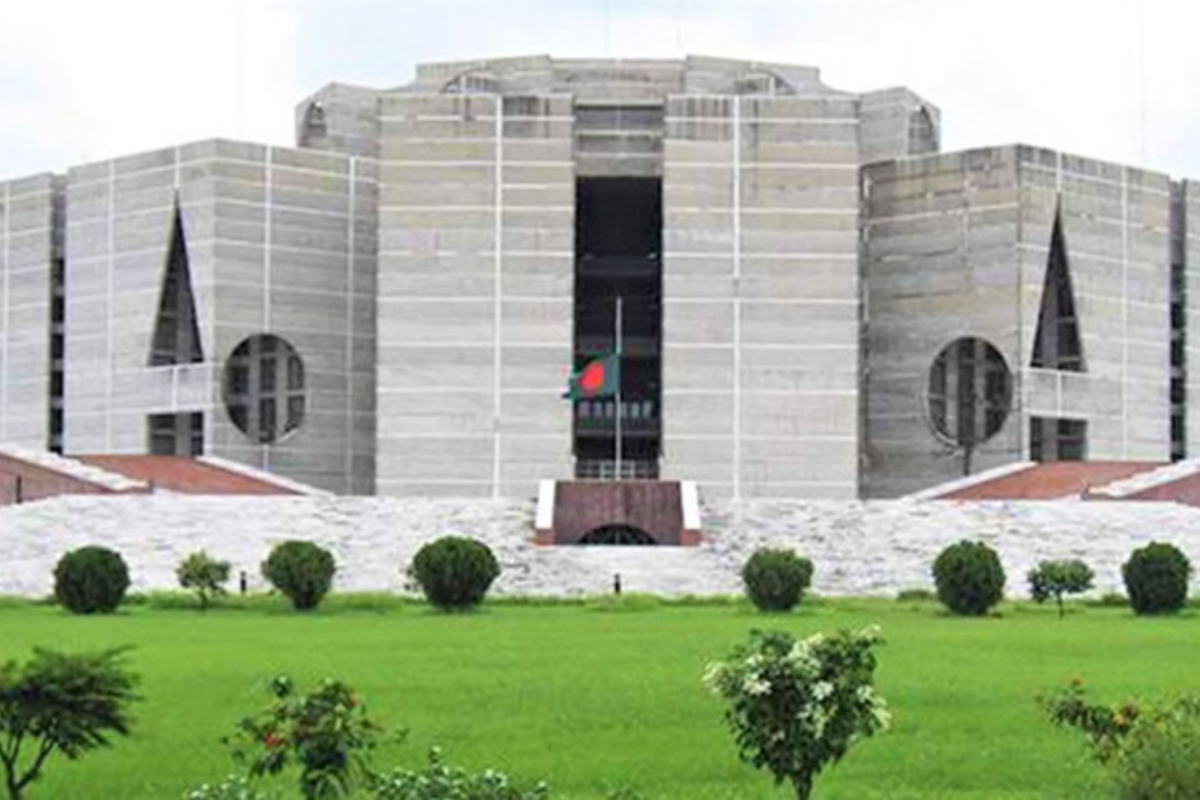
A stark gender imbalance has emerged ahead of the forthcoming national election, as official figures reveal that 30 of the 51 registered political parties have failed to nominate a single woman candidate. Data released by the Election Commission highlight a persistent and systemic underrepresentation of women in electoral politics, despite women accounting for nearly half of Bangladesh’s population.
The election, scheduled for 12 February, will see a total of 2,568 candidates contesting parliamentary seats. Of these, only 109 are women—representing a mere 4.24 per cent of the total. Among the female candidates, 72 have been nominated by political parties, while the remaining 37 are standing as independents. Observers argue that this limited participation underscores the largely symbolic nature of political commitments to women’s inclusion.
Both major and minor parties appear to have prioritised male candidates. Notably, none of the major parties, including the Bangladesh Nationalist Party (BNP), has nominated more than ten women. BNP, despite being led for over four decades by a woman, selected only ten women from among 328 aspiring candidates for 300 constituencies. Several parties have even encouraged multiple male candidates to submit nomination papers for the same seats, further squeezing opportunities for women.
Election Commission data show that Jamaat-e-Islami submitted 276 nominations without including a single woman, despite public claims by party leaders that women constitute at least 40 per cent of their leadership. Islami Andolon Bangladesh followed closely, with 268 male-only nominations. Numerous other parties—including Bangladesh Khelafat Majlish, Bangladesh Islami Front, the Liberal Democratic Party, and Jatiya Party (JP)—also excluded women entirely.
| Political Party | Total Nominations | Women Candidates |
|---|---|---|
| Jamaat-e-Islami | 276 | 0 |
| Islami Andolon Bangladesh | 268 | 0 |
| Bangladesh Khelafat Majlish | 94 | 0 |
| Liberal Democratic Party | 24 | 0 |
| Jatiya Party (JP) | 13 | 0 |
| Zaker Party | 7 | 0 |
Jasmine Tuli, former Additional Secretary of the Election Commission and a member of the Election Reform Commission, described the electoral process as deeply patriarchal. She noted that elections remain far from women-friendly, citing financial barriers, entrenched social attitudes, and the absence of so-called “muscle power” as key deterrents for women. According to her, most women who do secure nominations come from established political families, while grassroots female activists rarely make it onto party tickets.
Women’s rights advocates echo these concerns. Munira Khan, President of the Fair Election Monitoring Alliance, called the situation “deeply disappointing”, pointing out that women play a critical role in the economy yet remain nearly invisible in parliamentary nominations. She also questioned whether legal provisions mandating women’s inclusion within party structures are enforced in practice.
Under the 1972 Representation of the People Order, political parties are required to reserve at least 33 per cent of positions in their central and affiliated committees for women. However, almost all parties have failed to meet this requirement. In 2021, the Election Commission extended the compliance deadline to 2030.
Shirin Haq, head of the Women’s Affairs Reform Commission, said the current picture, while disheartening, was unsurprising given the country’s patriarchal political culture. She noted that the commission has proposed a 50–50 representation model, under which each constituency would have both a general and a women’s seat. If implemented, Parliament would expand to 600 members, with women elected directly by voters in women-only contests.
As the election approaches, the data raise pressing questions about political will, internal party democracy, and the future of gender equality in Bangladesh’s representative institutions.

Comments