Sunday, 5th April 2026

Khabor Wala Desk
Published: 2nd February 2026, 11:44 PM
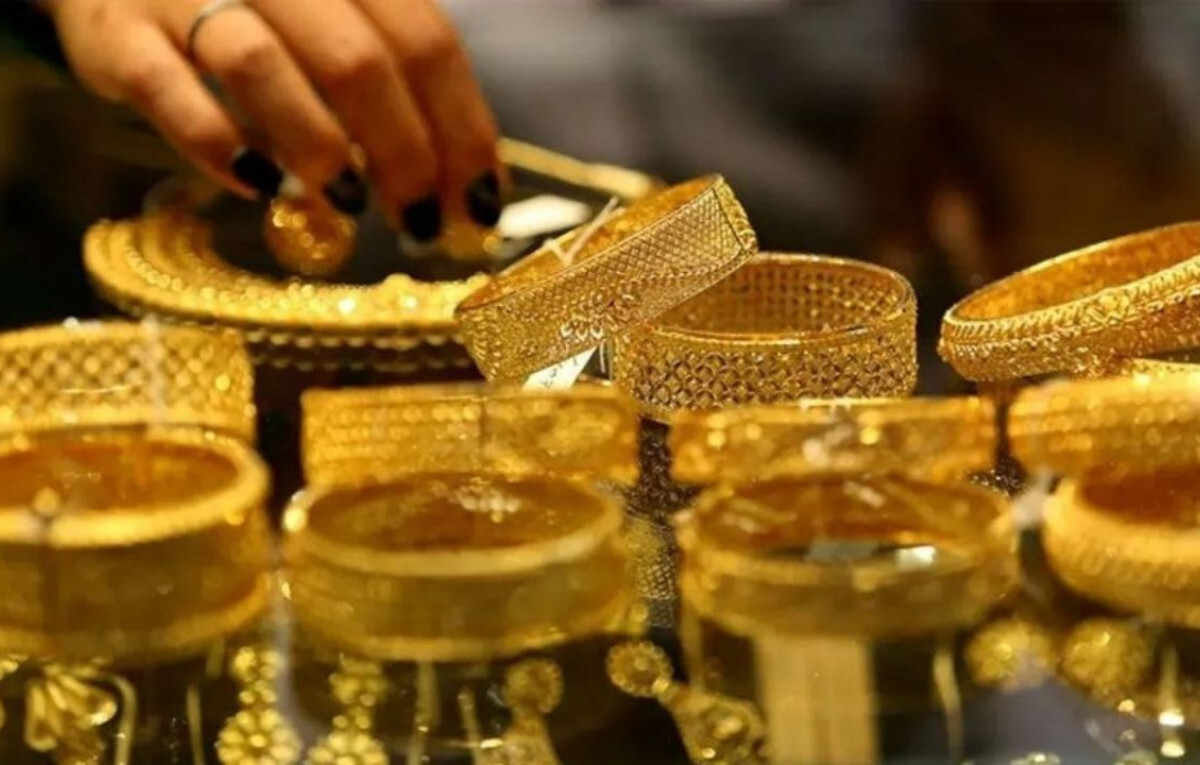
For millennia, gold has remained the ultimate symbol of prestige and a reliable hedge against economic volatility. Whether intended as an heirloom for a wedding or a strategic investment, gold is deeply interwoven with social and financial life. However, for the modern consumer, navigating the technical jargon of the jewellery trade—terms such as ‘carat’, ‘hallmark’, and ‘alloy’—can be a daunting prospect. Understanding these nuances is vital to ensuring that your investment retains its value.
In the realm of metallurgy, a carat is the international unit used to measure the purity of gold. While 24-carat (24K) gold is considered the absolute pinnacle of purity, it is paradoxically unsuitable for most jewellery. In its purest form, gold is incredibly soft and malleable, akin to lead; thus, it is typically reserved for investment bullion, coins, and bars.
To create durable jewellery, pure gold must be alloyed with harder metals such as copper, silver, zinc, or nickel. This process, often referred to locally as adding ‘khad’ (alloy), is essential for structural integrity. The higher the proportion of these base metals, the lower the carat rating and the greater the durability.
| Carat Rating | Gold Purity (%) | Common Hallmark Code | Primary Usage |
|---|---|---|---|
| 24K | 99.9% | 999.9 | Investment bars, coins, and biscuits. |
| 22K | 91.67% | 916 | Intricate bridal jewellery, earrings, and bangles. |
| 21K | 87.50% | 875 | Daily wear items like chains and heavy bracelets. |
| 18K | 75.00% | 750 | Diamond-set jewellery and gemstone rings. |
The most reliable method for a consumer to verify the authenticity of their purchase is the hallmark. This is an official mark struck on items of noble metals, certifying their purity. According to international standards, the hallmark code reflects the gold content: for instance, 22K gold is stamped with ‘916’, signifying 91.67% purity.
In Bangladesh, the Bangladesh Jewellers’ Association (BAJUS) is working to standardise these practices. Enamul Haque Khan Dolon, President of BAJUS, notes that while hallmarking is mandatory, full compliance is still a work in progress. “We are introducing an online verification system,” he explains. “Through a dedicated mobile app and a unique code, customers will soon be able to verify the origin, carat, and authenticity of their jewellery instantly.”
While the international market operates predominantly in Troy Ounces and Grams, South Asian markets traditionally use units like the Bhori, Ana, and Rati.
1 Bhori is equivalent to 11.664 grams.
1 Bhori is divided into 16 Anas.
1 Ana is divided into 6 Ratis.
Consumers should be aware that BAJUS sets daily prices based on the gram. Always ensure your jeweller provides the weight in grams to avoid confusion during the conversion process.
Historically, jewellers used Cadmium (KDM) as a soldering agent because it has a lower melting point than gold, allowing for delicate joining without melting the main piece. However, due to the toxic fumes produced during the crafting process and potential skin irritations for the wearer, KDM gold has been largely banned and replaced by ‘zinc-soldered’ or ‘cadmium-free’ alternatives that maintain the gold’s purity without the health risks.




Comments