Sunday, 5th April 2026

Khabor Wala Desk
Published: 15th February 2026, 1:52 PM
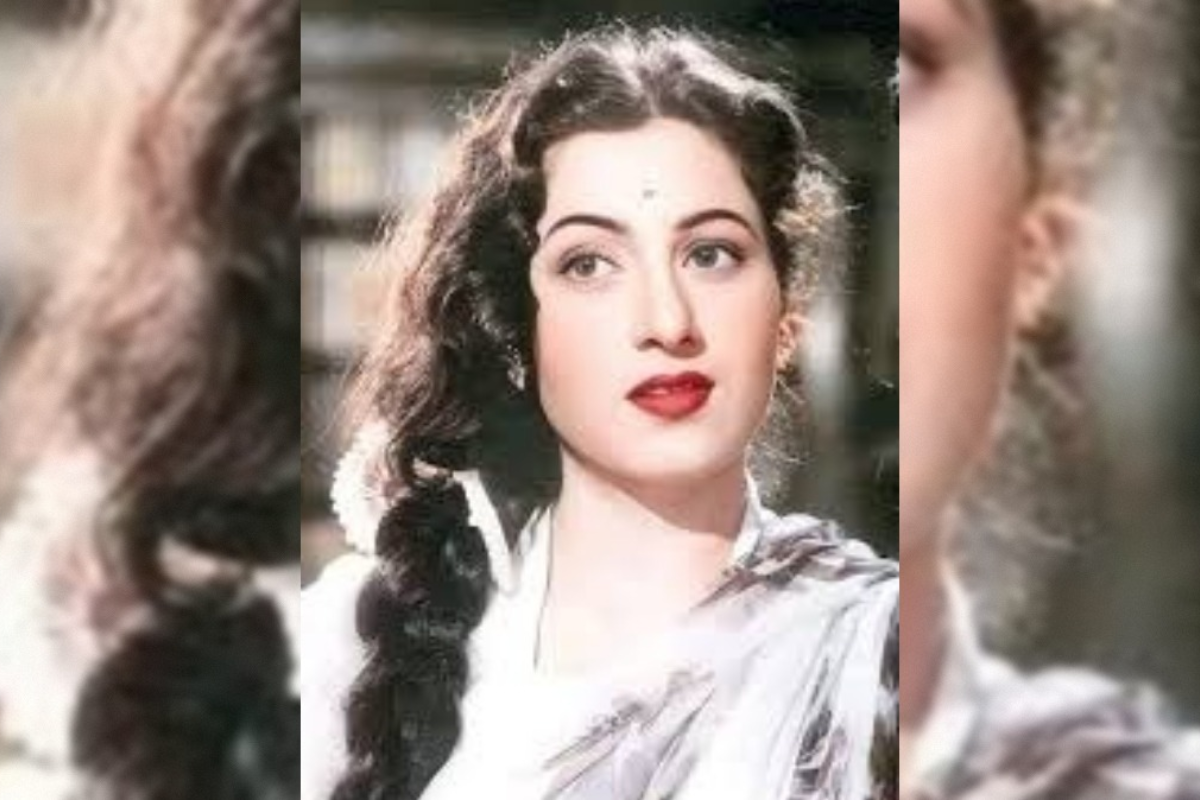
“Ek pardesi mera dil le gaya…”
The melody drifts through memory, accompanied by a face—immortal, ethereal, and timeless.
Madhubala, often hailed as the Goddess of Beauty, remains an enduring icon. Flowers wither, seasons change—but Madhubala never fades. She lives on in the silver glow of cinema, in the long sighs of admirers, and as a symbol of eternal grace. Her life, both luminous and tragic, reads like a poetic epic etched into the hearts of millions.
Born as Mumtaz Jahan Dehlavi on 14 February 1933, in a modest Delhi household, Madhubala’s childhood was marked by hardship. Her father, Ataullah Khan, moved the family to Bombay (now Mumbai) after losing his job. Tragedy struck early: she lost several siblings and, in 1944, their home was destroyed in the Bombay Dock Explosion. Amid these dark times, little Mumtaz became the family’s beacon of hope.
| Year | Event |
|---|---|
| 1933 | Born in Delhi as Mumtaz Jahan Dehlavi |
| 1944 | Family home destroyed in Bombay Dock Explosion |
| 1947 | Film debut in Neel Kamal under the name Madhubala |
At just nine, she began her career as a child artist, quickly impressing producers with her natural talent. Legendary actress Devika Rani, captivated by her beauty and acting prowess, gave her the iconic screen name Madhubala. She debuted as a leading lady in the 1947 film Neel Kamal, alongside Raj Kapoor.
Her meteoric rise came in 1949 with the release of Mahal, a gothic thriller that mesmerised audiences and established her as a superstar. She went on to deliver remarkable performances in Dulari, Tarana, Beksur, and Badal, each role revealing new dimensions of her charm and artistry. International acclaim followed: in 1952, Theatre Arts magazine in the United States featured her, and Hollywood director Frank Capra extended an invitation—declined due to her father’s wishes.
Madhubala’s romance with Dilip Kumar began on the set of Tarana, blossoming amidst roses and Urdu love notes. Their love, however, was thwarted by familial opposition and legal disputes related to film contracts, compelling Madhubala to choose family over romance. Later, she married legendary singer Kishore Kumar, though the marriage could not fully heal the wounds of past love.
In 1960, Madhubala immortalised herself as Anarkali in Mughal-e-Azam, a performance that remains one of the pinnacles of Indian cinema. Despite her worsening health, she displayed remarkable dedication, cementing her place in cinematic history.
Afflicted with a congenital heart defect since childhood, Madhubala concealed her illness for fear of losing work. Her condition deteriorated, and after nine years of suffering, she passed away on 23 February 1969, aged only 36.
Madhubala was more than an actress; she was a legend, a symbol of unattainable beauty and poignant love. Though she has departed, her smile, her eyes, and the echoes of her heart endure.
Flowers wither, but Madhubala does not. She returns with every spring, in every lover’s sigh, and in the timeless light of cinema.




Comments