Sunday, 5th April 2026

Khabor Wala Desk
Published: 1st October 2025, 6:37 AM
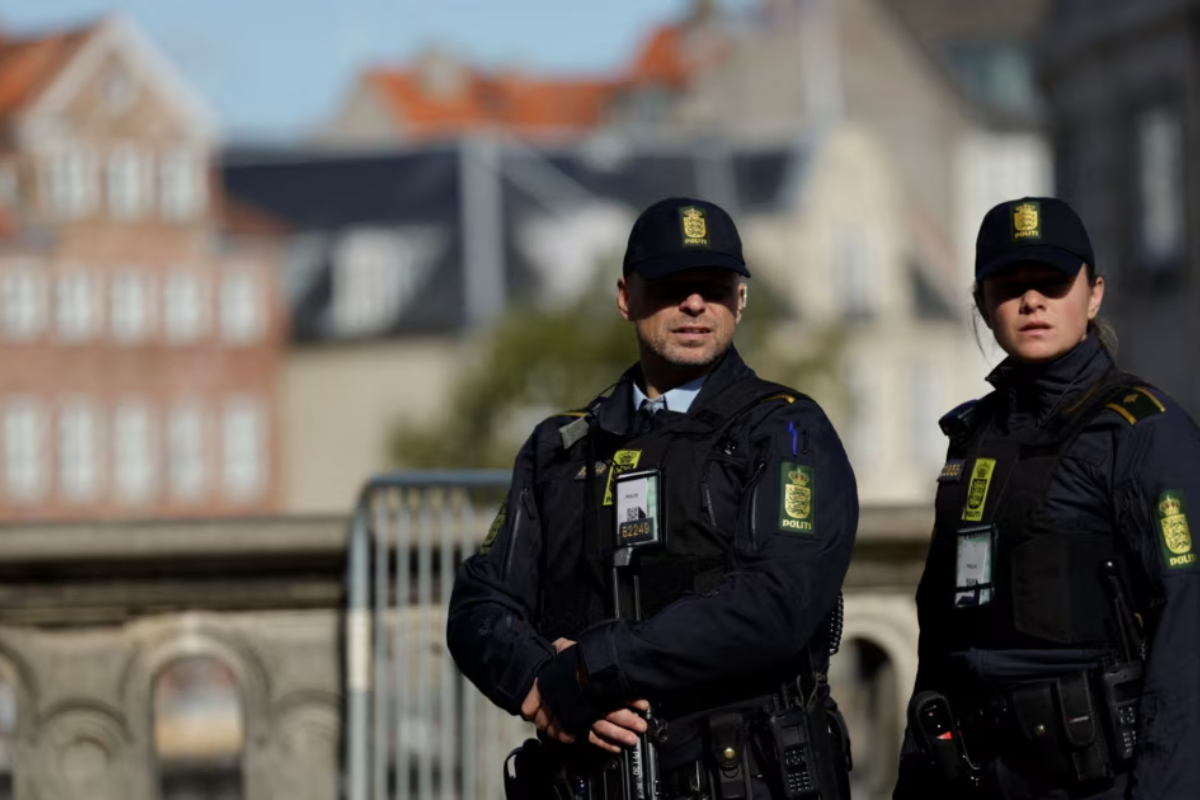
EU leaders are set to convene in Copenhagen, Denmark, on Wednesday to discuss strengthening Europe’s defences and boosting Ukraine’s financial firepower, amid a surge of mysterious drone flights that have heightened fears over potential Russian threats.
Thousands of police are on high alert, civilian drones have been banned, and NATO allies have dispatched reinforcements as the continent prepares for the summit, followed by a broader gathering of European leaders on Thursday.
Denmark, currently holding the EU’s rotating presidency, has recently experienced disruptions caused by unidentified drones that shut down airports and flew near military sites.
| Security Measures | Details |
| Police Deployment | Thousands on high alert |
| Drone Restrictions | Civilian drones banned |
| NATO Support | Anti-drone technology & specialists sent |
| Suspected Culprit | Russia suspected, no definitive attribution |
Prime Minister Mette Frederiksen described the incidents as a “hybrid attack”, though authorities have yet to confirm the perpetrator.
The incidents have drawn attention to weaknesses in Europe’s defences, particularly after previous air incursions by Moscow in Poland and Estonia.
EU leaders are set to finalise details for priority defence projects, including a proposed “drone wall” designed to counter Russian drone threats.
“Europe must deliver a strong and united response to Russia’s drone incursions at our borders,” said EU chief Ursula von der Leyen on Tuesday.
The Wednesday discussion represents a step in the EU’s strategy to prepare for potential conflict with Russia by 2030, amid concerns Moscow may strike in the coming years.
The 27-nation bloc has already created a €150 billion loan scheme for defence spending, with eastern EU countries taking the largest share.
Key “flagship” projects under consideration:
| Project | Objective |
| Drone Wall | Detect and neutralise hostile drones |
| Eastern Flank Security | Reinforce borders with Russia-facing states |
| Missile Defences | Protect against aerial and missile attacks |
| Space Shield | Space-based monitoring and defence |
A central topic for leaders is how to fund Ukraine’s ongoing defence against Russia’s invasion.
Brussels has proposed tapping frozen Russian central bank assets to create a €140 billion loan package for Kyiv.
| Issue | Details |
| Funding Source | Frozen Russian assets, mostly held in Belgium |
| Loan Size | €140 billion for Ukraine |
| Support | Backed by German Chancellor Friedrich Merz |
| Challenges | Potential resistance from Belgium, Hungary blocking EU talks with Ukraine |
Estonian Prime Minister Kristen Michal stressed the importance of keeping focus on Ukraine: “Putin wants to have us talking about ourselves, not about Ukraine… not to push back Russia in Ukraine.”
Officials hope leaders will approve continued work on the plan, though some caution that positions remain conditional.
“The positions are not necessarily black and white, no and yes. Some may say they could ponder going down that road if certain conditions are met,” a senior EU official said.
Officials are also trying to ensure Ukraine’s EU accession bid stays on track, despite a block from Hungarian Prime Minister Viktor Orban, known for his pro-Russian stance.
European Council chief Antonio Costa, chairing the summit, has been seeking support for a plan preventing any single country from vetoing each step of Ukraine’s negotiations.
“No leader to this day has replied with a total ‘no’, in a totally negative way to this idea,” said an EU official.
However, achieving this will require consent from Orban and all other member states, making it a complex political challenge.


Comments