Sunday, 5th April 2026

Khabor Wala Desk
Published: 5th February 2026, 9:32 AM
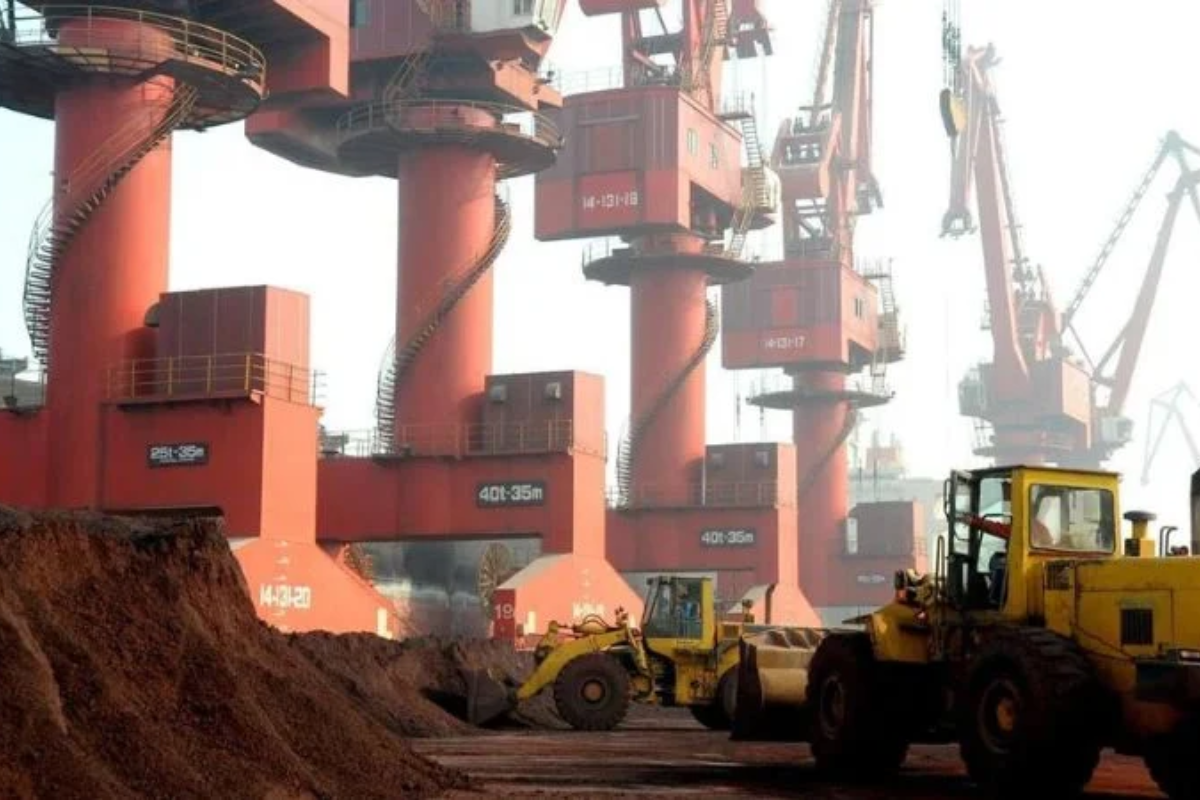
The European Union is preparing a significant diplomatic and economic initiative aimed at curbing China’s dominant influence over critical minerals by forging a strategic partnership with the United States. Officials involved in drafting the proposal say the agreement could be formalised within the next three months and is intended to reduce Western dependence on mineral supplies from China while jointly identifying alternative sources and resilient supply chains.
Critical minerals such as lithium, cobalt, nickel, graphite and rare earth elements are essential for modern technologies, including electric vehicles, renewable energy systems, advanced electronics and defence applications. At present, both the United States and the EU are heavily reliant on Chinese processing capabilities and exports, which has given Beijing considerable leverage over global supply chains. This dependency has raised strategic concerns in Washington, Brussels and other capitals amid intensifying geopolitical competition.
According to sources familiar with the negotiations, the proposed memorandum of understanding (MoU) will recommend several mechanisms to diversify supply and strengthen cooperation. These include joint investment in mining and processing projects, coordinated stockpiling, shared standards for environmental and labour practices in sourcing regions, and mechanisms to stabilise pricing.
Officials stress that the partnership is not intended to target China as an adversary, but rather to build resilience in the supply of critical commodities that are increasingly important for economic security. “The aim is not confrontation but diversification and security,” one official said, speaking on condition of anonymity. “We want to ensure that our industries and technologies are not vulnerable to unilateral supply disruptions.”
A series of ministerial-level discussions are scheduled to take place in Washington on Wednesday, involving foreign ministers and senior representatives from several allied nations. These discussions are expected to advance the draft agreement and explore practical steps to implement its objectives, including potential funding mechanisms and timelines.
Some analysts see the initiative as part of a broader realignment of industrial policy in the West in response to China’s growing economic and technological prowess. Last month, former US President Donald Trump reignited debate about access to critical minerals by threatening to assert greater control over Greenland, a territory rich in untapped resources and under the sovereignty of the Kingdom of Denmark. The remarks underscored the strategic importance of mineral resources and appear to have accelerated dialogue on transatlantic cooperation.
Illustrative Comparison: Critical Minerals and Uses
| Mineral | Key Industrial Uses | Current Supply Concerns |
|---|---|---|
| Lithium | Batteries for EVs, energy storage | Processing dominated by China |
| Cobalt | Battery cathodes, aerospace alloys | Ethical sourcing challenges, Chinese refining |
| Nickel | Stainless steel, batteries | Volatile prices and limited diversification |
| Graphite | Anodes in batteries, lubricants | China controls most processing capacity |
| Rare Earth Elements | Electronics, magnets, defence technologies | Export restrictions in past by China |
The proposed MoU is expected to lay out frameworks for collaborative research on extraction technologies, recycling and substitution, as well as joint diplomatic engagement with resource-rich countries in Africa, Latin America and Asia.
Critics, however, argue that simply signing an agreement will not immediately solve structural dependence, and stress that substantial investment and long-term policy alignment will be necessary to build resilient supply chains. Nevertheless, the initiative marks a clear step towards closer economic coordination between the United States and the European Union in an area of rising geopolitical significance.




Comments