Sunday, 5th April 2026

Khabor Wala Desk
Published: 3rd March 2025, 5:38 AM
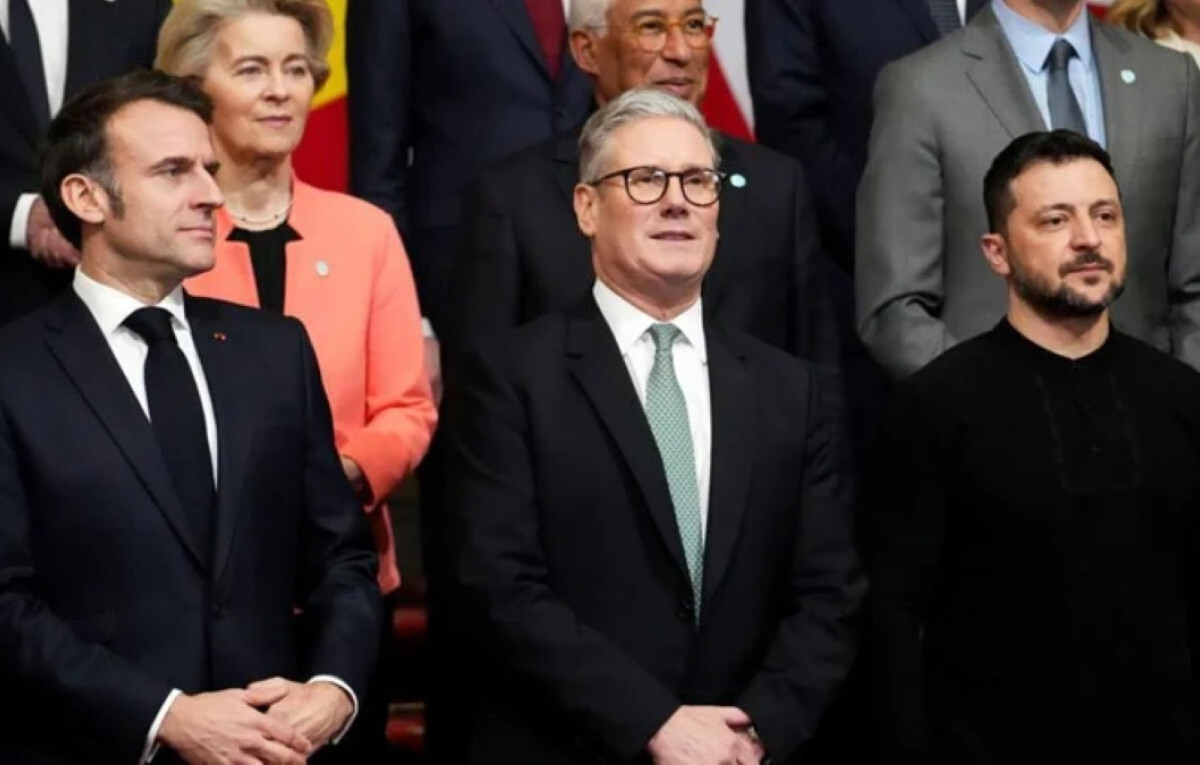
LONDON, March 3, 2025 (BSS/AFP) – European leaders united on Sunday at a summit in London, reaffirming their support for Ukraine amid the ongoing conflict with Russia, and pledging to increase security spending while forming a coalition to defend any potential ceasefire.
French President Emmanuel Macron, speaking on his return from the summit, revealed that both France and the UK were planning to propose a one-month truce. The talks, which gathered 18 key allies, came just two days after US President Donald Trump publicly criticised Ukrainian President Volodymyr Zelensky at the White House.
UK Prime Minister Keir Starmer stated that Britain, France, and other European countries would collaborate with Ukraine to devise a plan to halt the fighting, which would then be presented to the US administration.
The summit occurred at a critical juncture for Ukraine, which faces wavering support from the US as it grapples with Russia’s three-year invasion. Trump’s altercation with Zelensky raised concerns about the US’s commitment to NATO and the future of Ukraine’s international backing.
Starmer emphasised that Europe now found itself “at a crossroads in history”, calling for action rather than further debate. “This is not a moment for more talk – it’s time to act. It’s time to step up and lead, and unite around a new plan for a just and enduring peace,” he asserted. He added that, with no guarantees of US involvement, Europe would need to “do the heavy lifting” in supporting Ukraine.
Macron, in an interview with Le Figaro, confirmed that he and Starmer were working on the details of a proposed truce that would include restrictions on air, sea, and energy infrastructure in Ukraine.
Warm Reception in London
Zelensky received a warm welcome from many world leaders at the summit. Outside the UK Prime Minister’s residence on Downing Street, demonstrators gathered to express their support for Ukraine, many dressed in the country’s blue and yellow national colours.
In addition to his participation in the summit, Zelensky also met with King Charles III at Sandringham, marking a stark contrast to his tense reception at the White House.
During their encounter, Trump accused Zelensky of failing to show adequate gratitude for US aid and of being “unprepared” for peace talks with Russia. This public clash, broadcast to the world, raised concerns that Trump might be pushing for a peace deal that would favour Russian President Vladimir Putin’s demands.
Starmer, who had met with Trump just days prior, reassured that the US remained a committed ally and stated that any peace deal would require strong US backing to succeed.
After the summit, European Commission President Ursula von der Leyen warned that Europe urgently needed to rearm in preparation for the worst, while Polish Prime Minister Donald Tusk called for both the US and Europe to demonstrate that they would not “capitulate before Putin’s blackmail and aggression”.
Starmer and Macron have both expressed a willingness to deploy British and French troops to Ukraine to help secure any ceasefire. However, Italian Prime Minister Giorgia Meloni, whose hard-right coalition government includes Moscow-friendly politicians, downplayed the possibility of Italy contributing soldiers.
Meanwhile, Dutch Prime Minister Mark Rutte highlighted that more European countries had committed to ramping up their defence spending, while maintaining that the US remained steadfast in its commitment to the transatlantic alliance.
‘Complete Failure’
Hungary’s pro-Russia leader, Viktor Orban, voiced his disapproval, claiming on social media that European leaders had decided to continue the war instead of seeking peace. “This is bad, dangerous, and mistaken. Hungary remains on the side of peace,” he stated.
In Washington, some officials suggested that Zelensky might need to step down. Trump’s national security adviser, Mike Waltz, stated that Ukraine needed “a leader that can deal with us, eventually deal with the Russians, and end this war.” US House Speaker Mike Johnson also argued that Zelensky must “either come to his senses and come back to the table in gratitude, or someone else needs to lead the country.”
Trump has increasingly positioned himself as a mediator between Putin and Zelensky, at times sidelining both Kyiv and Europe in favour of pursuing rapprochement with Moscow.
While Zelensky did not apologise for the White House confrontation, he did indicate that he might be open to discussions regarding Ukraine’s mineral wealth as part of a peace deal. On Sunday, Trump reposted a message on his social media platform, suggesting that such an agreement could provide the security Ukraine needed, and that “in the end, Zelensky will have no choice but to concede.”
A statement from the Ukrainian presidential office following the summit emphasised the consensus among European leaders that strong security guarantees must form the foundation of any potential ceasefire. It also outlined that such a ceasefire should begin with the exchange of prisoners and the return of children, marking a step towards testing Russia’s genuine commitment to peace.
Context:
The political landscape surrounding the Ukraine conflict remains volatile, with Europe and the US divided on the best approach. The ongoing war has placed immense strain on Ukraine, with questions arising over the West’s commitment to long-term support. As European leaders continue to call for decisive action, the region’s response could significantly shape the future of Ukraine’s sovereignty and security.




Comments