Sunday, 5th April 2026

Khabor Wala Desk
Published: 22nd September 2025, 9:33 AM
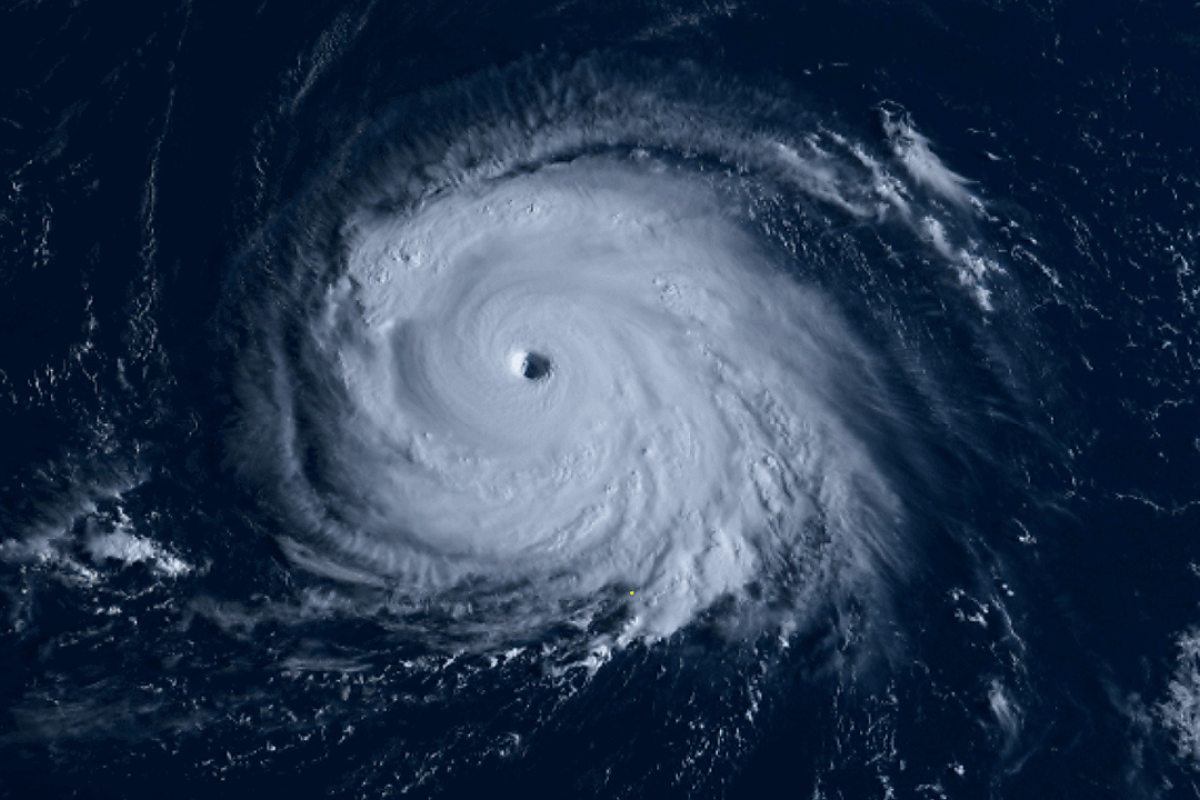
Hundreds of families sought refuge in schools and evacuation centres on Monday as Super Typhoon Ragasa lashed the northern Philippines and southern Taiwan with heavy rains and gale-force winds.
The typhoon, gaining strength as it moves on a collision course with southern China, was expected to make landfall over the Babuyan Islands of the Philippines around midday.
These sparsely populated islands lie approximately 740 kilometres (460 miles) south of Taiwan in the Luzon Strait.
As of 8:00 am (0000 GMT), the Philippine national weather service reported:
“We are now experiencing strong winds here in northern Cagayan,” said provincial disaster chief Rueli Rapsing.
“Since the super typhoon will traverse Calayan, we are very focused on that area,” he added, referring to a town in the far north province.
In Taiwan, small-scale evacuations were underway in mountainous regions near Pingtung, according to local fire department officer James Wu.
“What worries us more is that the damage could be similar to what happened during Typhoon Koinu two years ago,” Wu said, recalling a storm that caused utility poles to collapse and sheet-metal roofs to fly into the air.
Preparations and Precautions
The threat from Ragasa comes just a day after thousands of Filipinos protested over a growing corruption scandal involving flood control projects that were either poorly constructed or never completed.
The Philippines is the first major landmass in the Pacific cyclone belt and is typically hit by an average of 20 storms and typhoons annually.
Key Facts Table
| Aspect | Details |
| Typhoon Name | Ragasa |
| Regions Affected | Northern Philippines, Southern Taiwan |
| Expected Landfall | Babuyan Islands, Philippines, around midday |
| Maximum Sustained Winds | 215 km/h |
| Wind Gusts | Up to 265 km/h |
| Evacuations | Hundreds of families in schools and centres; mountainous areas in Taiwan |
| School & Office Closures | Manila region and 29 provinces in the Philippines |
| Anticipated Hazards | Severe flooding, landslides, infrastructure damage |
| Recent Social Context | Protests against flood-control corruption; 70+ arrests |
| Climate Context | Intensifying storms due to human-driven climate change |
| Historical Comparison | Typhoon Koinu (2023) – caused utility pole collapses and flying debris |




Comments