Monday, 6th April 2026

Khabor Wala Desk
Published: 16th February 2026, 6:45 AM
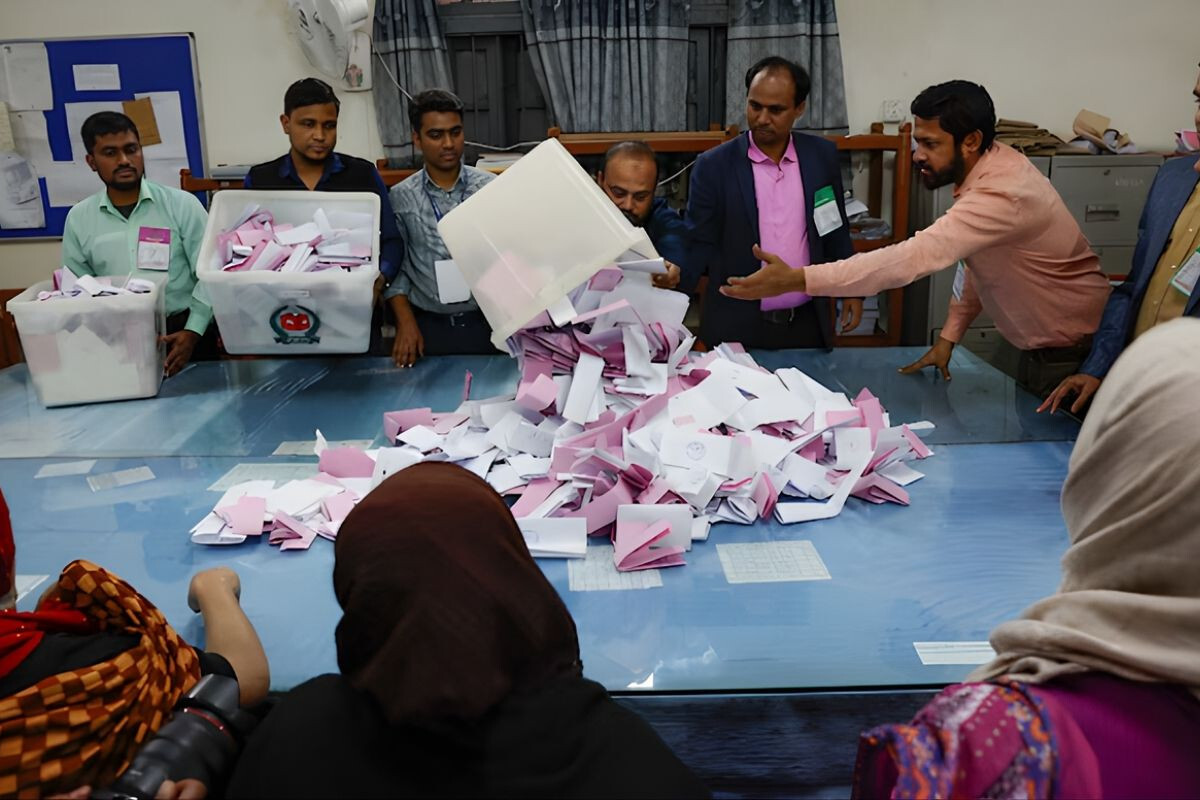
On 12 February 2026, the same day as the 13th national parliamentary elections, Bangladesh held a referendum on the implementation of the July Charter (July National Charter for Constitutional Reform). Out of 127.7 million eligible voters, 77.7 million cast their ballots, with over 62% voting “Yes,” officially opening the path for the implementation of several constitutional reforms outlined in the Charter.
The July Charter stipulates that elected Members of Parliament (MPs) will simultaneously serve on a Constitutional Reform Council. Within 180 working days of the council’s first session, they are tasked with enacting the constitutional amendments approved in the Charter.
Following extensive consultations between the Reform Commission and political parties, 84 proposals were included in the referendum, 47 of which were constitutional. However, several of these constitutional amendments faced objections, notably from the Bangladesh Nationalist Party (BNP) and other parties, who submitted formal Notes of Dissent.
| Category | Votes |
|---|---|
| Total voters | 77,695,056 |
| ‘Yes’ votes | 48,074,429 |
| ‘No’ votes | 22,565,627 |
| ‘Yes’ vote share | 61.9% |
The overwhelming ‘Yes’ vote has effectively resolved previous uncertainties surrounding the Charter’s implementation. Constitutional analysts note that reforms without any formal dissent are expected to proceed without major obstacles. However, discussions over the formation of an upper house in the bicameral parliament have already sparked political debate.
BNP’s election manifesto proposes upper house seats be allocated based on parliamentary majority, while the referendum specified proportional representation. Monir Haider, Special Assistant to the Chief Advisor, told BBC Bangla: “BNP’s manifesto was never directly presented to voters, but the upper house proportional representation was approved through a direct vote.”
Of the 47 constitutional reform proposals, the referendum’s success has cleared the way for several major changes:
Prime Minister’s powers: Reduced slightly to balance authority with the President.
Appointments: Key constitutional positions will be filled via committees comprising government, opposition, and judicial representatives.
Tenure limits: A person may serve as Prime Minister for a maximum of ten years and cannot simultaneously hold party leadership.
Parliamentary independence: MPs will have greater freedom in legislative voting.
Some proposals, particularly regarding the dual role of party leader and Prime Minister, remain unimplemented due to BNP dissent. Legal experts confirm that the Charter allows victorious parties to exercise discretion over disputed reforms.
The Charter’s referendum included four issues, with the upper house specifically requiring proportional representation. In the next parliament:
| Party / Coalition | Seats by Vote Share | Seats by Parliamentary Majority |
|---|---|---|
| BNP-led coalition | 52–53 | 70 |
| Jamaat-led coalition | 38 | 26 |
| NCP | – | 2 |
Political analysts anticipate ongoing debate over whether proportional representation or majority-based allocation will prevail in upper house formation.
The next stage of the July Charter’s implementation will begin once the newly elected MPs take their oath, concurrently joining the Constitutional Reform Council. Within 180 working days, the council is expected to finalise and enact approved reforms, marking a pivotal shift in the country’s governance and constitutional landscape.


Comments