Monday, 6th April 2026

Khabor Wala Desk
Published: 6th January 2026, 6:21 AM
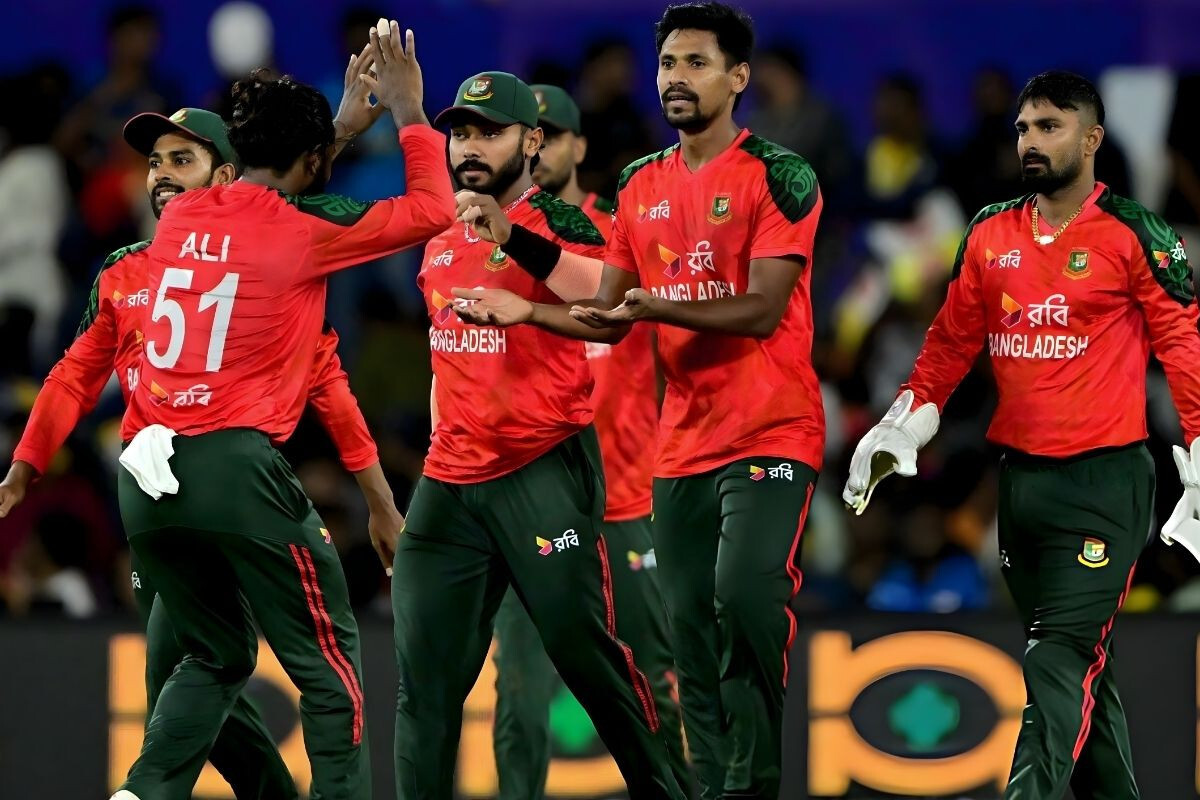
The Bangladesh Cricket Board (BCB) has reiterated its firm stance that the national team will not play its matches in India during the forthcoming ICC Men’s T20 World Cup, despite indications that state-level security assurances may be offered. The issue has prompted the International Cricket Council (ICC) to intervene, with an online meeting scheduled between ICC officials and the BCB to explore possible solutions.
Under standard ICC tournament agreements, host boards and participating nations sign binding contracts ahead of any global event. These agreements require teams to honour fixtures unless they can present a compelling and acceptable justification for withdrawal or venue change. Historically, government-imposed restrictions or serious security concerns have been recognised as legitimate grounds. Past examples include the suspension of bilateral series between India and Pakistan and the relocation of Pakistan’s home matches to neutral venues, decisions that were ultimately endorsed by the ICC.
The BCB is seeking to rely on similar precedent. Its primary concern centres on security, with the Bangladesh government reportedly unconvinced that the safety of players, team officials, media personnel and travelling supporters can be fully guaranteed in India. As a result, the board has formally expressed its unwillingness to send the team to India and has proposed that Bangladesh’s matches be staged at a neutral venue instead.
These concerns have intensified following the recent exclusion of Bangladeshi fast bowler Mustafizur Rahman from the Indian Premier League, a decision reportedly linked to security threats from political and extremist groups. The episode has raised broader questions within the BCB about the feasibility of safeguarding an entire World Cup contingent if even an individual player’s security cannot be assured. The board argues that the presence of players, coaches, administrators, journalists and fans would collectively represent a significant security challenge.
BCB President Aminul Islam publicly stated that, at present, travelling to India for the World Cup does not feel safe, describing the Mustafizur incident as “deeply disrespectful”. While ICC mediation may result in the Board of Control for Cricket in India (BCCI) proposing enhanced, state-level security guarantees, BCB officials remain sceptical that such assurances will be sufficient to change their position.
The situation places considerable pressure on the BCCI as tournament hosts, given their obligation to ensure both participation and safety. The matter is further complicated by the fact that the current ICC leadership includes senior Indian representation, making the issue difficult to sideline. Some Indian media outlets have suggested that the ICC may be open to relocating Bangladesh’s matches, though logistical hurdles remain substantial.
With the World Cup less than a month away, altering venues would require changes to schedules, broadcast arrangements and approval from opposing teams. Bangladesh are due to play four group-stage matches, and reorganising these fixtures at short notice would be complex.
Should the ICC reject the BCB’s proposal and Bangladesh refuse to play, regulations allow for walkovers to be awarded to opposing teams and may even permit disciplinary sanctions. Nevertheless, the BCB believes that the gravity and credibility of its security concerns will ultimately prevent any severe punishment.
Possible Outcomes at a Glance
| Scenario | Likely Consequence |
|---|---|
| Matches moved to neutral venue | Tournament proceeds with revised schedule |
| State-level security accepted | Bangladesh plays in India |
| No agreement reached | Opponents receive walkovers |
| Severe ICC sanctions | Considered unlikely by BCB |
As negotiations continue, the standoff highlights the delicate balance between sporting commitments and national security considerations in global cricket.


Comments