Sunday, 5th April 2026

Khabor Wala Desk
Published: 21st November 2025, 10:58 AM
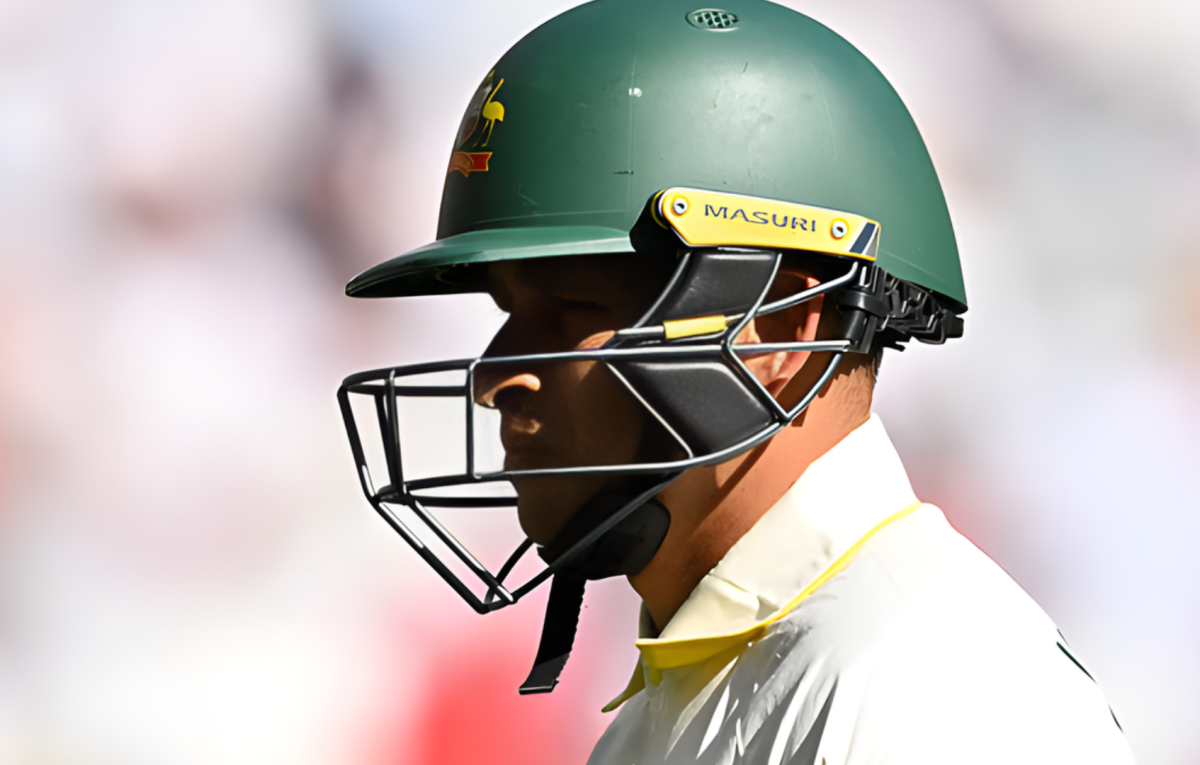
The opening day of the Ashes Test in Perth unfolded with a rare and confusing twist: Usman Khawaja, Australia’s veteran opener with 153 Test innings, suddenly walked in to bat at No. 4. His previous appearance at that position was way back in 2016. The unexpected change raised eyebrows across commentary boxes and social media.
The reason, however, was not tactical—it was regulatory.
During England’s first innings, Khawaja left the field after the 29th over for a toilet break and a short massage. He returned during the 32nd over, spending 19 minutes off the field. But under ICC Test Playing Conditions, a player may not remain off the field for more than eight minutes without facing restrictions upon return.
According to Clause 24.2.3, any player exceeding the time limit must serve an equivalent “penalty time” before being allowed to bat—unless five wickets have already fallen in their team’s innings.
Khawaja exceeded the permissible time by 11 minutes, meaning he was barred from opening and even No. 3 was off-limits until the penalty time expired. When debutant Jake Weatherald fell in the very first over to Jofra Archer, Khawaja was still not eligible to bat. As a result, he had to walk in at No. 4 after Marnus Labuschagne’s dismissal, where he scored only 2 runs.
Tom Moody and Darren Lehmann did not hold back their criticism.
Moody commented:
“Ridiculous management. When England were eight down, assuming Khawaja would be back in time was a huge gamble. He is our most experienced top-order batter and needed to lead from the front.”
Lehmann echoed similar frustration:
“That one-hour window was vital. We wanted Starc to lead with the ball and Khawaja to lead with the bat. The timing was simply wrong.”
England were bowled out for 172. Australia then crumbled to 123 for 9 by stumps on Day 1. In a match where early stability was essential, Khawaja’s unavailability at the top arguably hurt Australia’s momentum.
The incident has now become one of the strangest examples of how a seemingly harmless break—just a few minutes too long—can reshape a Test match.


Comments