Sunday, 5th April 2026

Khabor Wala Desk
Published: 8th October 2025, 7:44 AM
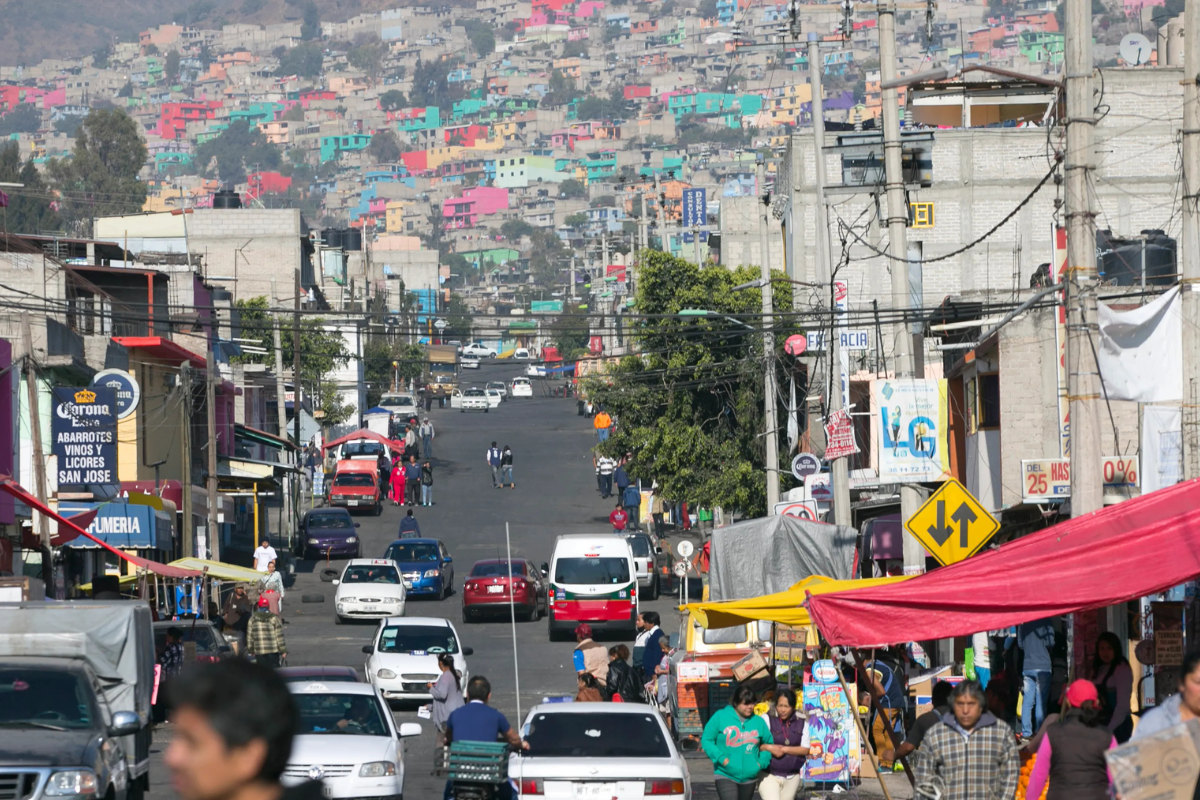
In the Mexico City suburb of Ecatepec, merchazzs stand behind metal-grilled counters, anxiously watching the streets where gangs roam, enforcing their protection rackets. The fear is palpable, as these criminal groups demand payments in exchange for safety, leaving shopkeepers perpetually on edge.
Across Latin America, extortion is throttling local economies, and in Mexico, authorities report that someone is shaken down by a gang every hour, prompting an intensified crackdown on criminal syndicates.
Bakers, mechanics, and street vendors told AFP that they routinely pay fees to gangs, both to prevent attacks and to shield themselves from rival outfits.
The extortion thrives under a climate of near-total impunity. Gangs openly advertise their “services” in shop windows and on social media.
| Gang | Mode of Promotion | Details |
| La Chokiza | Poster outside market | “Join our big family. We’ll protect you from extortion.” Offers “legal advice” — a euphemism for their protection racket |
| La Chokiza | Logo: cartoon Jesus Christ on a motorcycle | |
| Peaceful Civil Resistance | Market stickers | Merchants display stickers on stalls to show gang protection |
A 53-year-old vendor, speaking anonymously for fear of retaliation, explained: “They’re supposed to protect you in exchange for a certain sum.”
President Claudia Sheinbaum has touted her record in reducing Mexico’s high murder rate since taking office, yet she admits that extortion remains largely unchecked, with most cases going unreported.
In Ecatepec, where 90% of the 1.6 million residents feel unsafe, some merchants attempted vigilante justice in July. Videos posted online show them attacking a man who had threatened to burn down their businesses, striking him with a steel pipe. Police rescued him, covered in blood, and charged him with extortion.
Despite these actions, merchants now live in fear of retaliation.
“We don’t want to know anything about it anymore,” one agitated vendor told AFP.
Such incidents are increasingly common across Mexico, where authorities struggle to contain grisly violence by drug cartels.
Both Texcaltitlan and Ecatepec are in the State of Mexico, which accounts for one-third of all extortion cases nationwide.
Sheinbaum has pushed reforms giving authorities more tools to combat shakedowns, including:
As part of this offensive, La Chokiza’s leader Alejandro Mendoza was arrested on 12 September in Ecatepec. Previously, Mendoza had posted a video surrounded by Batman toys, boasting of “more than 10,000 customers.”
Extortion in Mexico, like in Colombia and Venezuela, often involves drug trafficking syndicates seeking additional income.
Small-time criminals also exploit victims via cellphone threats, sometimes operating from prison cells.
“Their tool is a cellphone,” said Alfredo Almora, head of victim assistance for the federal security ministry.
A market vendor, who suffered cellphone extortion eight months ago, described the trauma:“They instill such terror in you. It traumatises you.”
Fear of reporting perpetrators is compounded by suspicions of police collusion with organised crime.
“Sometimes, you don’t trust them,” the vendor added.
Extortion in Numbers
| Statistic | Figure |
| Population of Ecatepec | 1.6 million |
| Residents feeling unsafe | 90% |
| Estimated vigilante lynchings (past decades) | 2,000+ |
| Hostile groups documented | La Chokiza, Peaceful Civil Resistance |
In Ecatepec, extortion has become an everyday reality, leaving merchants navigating a delicate balance between compliance and survival, under constant threat from gangs and the shadow of mistrust in authorities.




Comments