Sunday, 5th April 2026

Khabor Wala Desk
Published: 3rd August 2025, 4:27 PM
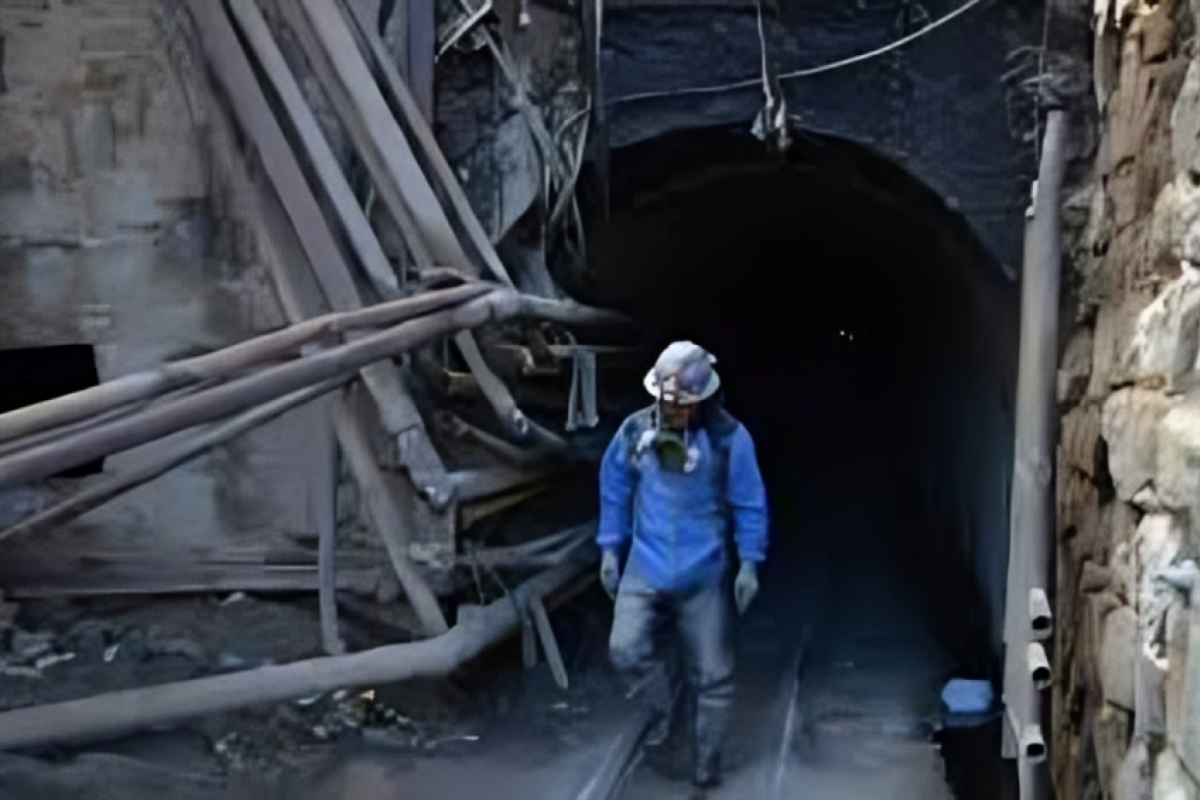
Five miners have tragically lost their lives after being crushed in a gold mine collapse in Bolivia’s Potosí department, police confirmed on Saturday. The incident occurred on Friday at the Amayapampa mine, where the victims were found buried beneath a landslide.
Details of the Incident
| Date of Incident | Friday (Exact date not specified) |
| Location | Amayapampa gold mine, Potosí, Bolivia |
| Type of Mine | Open-pit gold mine |
| Operator | State-owned Bolivian Mining Corporation (Comibol) |
| Altitude | Over 4,000 metres (approx. 13,100 feet) |
| Distance from La Paz | Approx. 578 kilometres (360 miles) south |
| Number of Deaths | Five adults |
| Cause of Death | Suffocation due to crushing, caused by a hill collapse |
Potosí Police Commander Fernando Benítez informed the press:
“We assume that part of the hill collapsed and crushed them. The cause of death was suffocation due to crushing.”
Victims’ Background
According to authorities, the deceased miners were not full-time employees of Comibol, but were legally present at the site under traditional mining rights.
| Activity | Paqoma — the local practice of collecting residual ore or minerals |
| Permit Status | Officially permitted under Bolivian traditional mining regulations |
Previous and Ongoing Mining Tragedies
This recent collapse has raised the death toll from mining incidents in Potosí alone to 73 in 2025, making it a particularly deadly year for the region’s miners.
| Year to Date (Potosí) | Total Mining-Related Deaths |
| 2025 | 73 |
Additionally, in March 2025, five miners perished in a separate mine collapse in the city of La Paz.
Broader Context
The Amayapampa mine is Bolivia’s largest gold mining site in Potosí and continues to operate under state control. Despite its official management, the ongoing presence of informal or traditional miners on-site highlights broader issues around mine safety, regulation, and enforcement.
This latest tragedy underscores the urgent need for improved safety measures, particularly in remote and high-altitude regions where collapses and landslides pose continual threats to workers—both formal and informal.
Authorities have not yet released the identities of the victims, and investigations are reportedly underway to determine the exact circumstances leading to the collapse.


Comments