Sunday, 5th April 2026

Khabor Wala Desk
Published: 27th January 2026, 5:16 AM
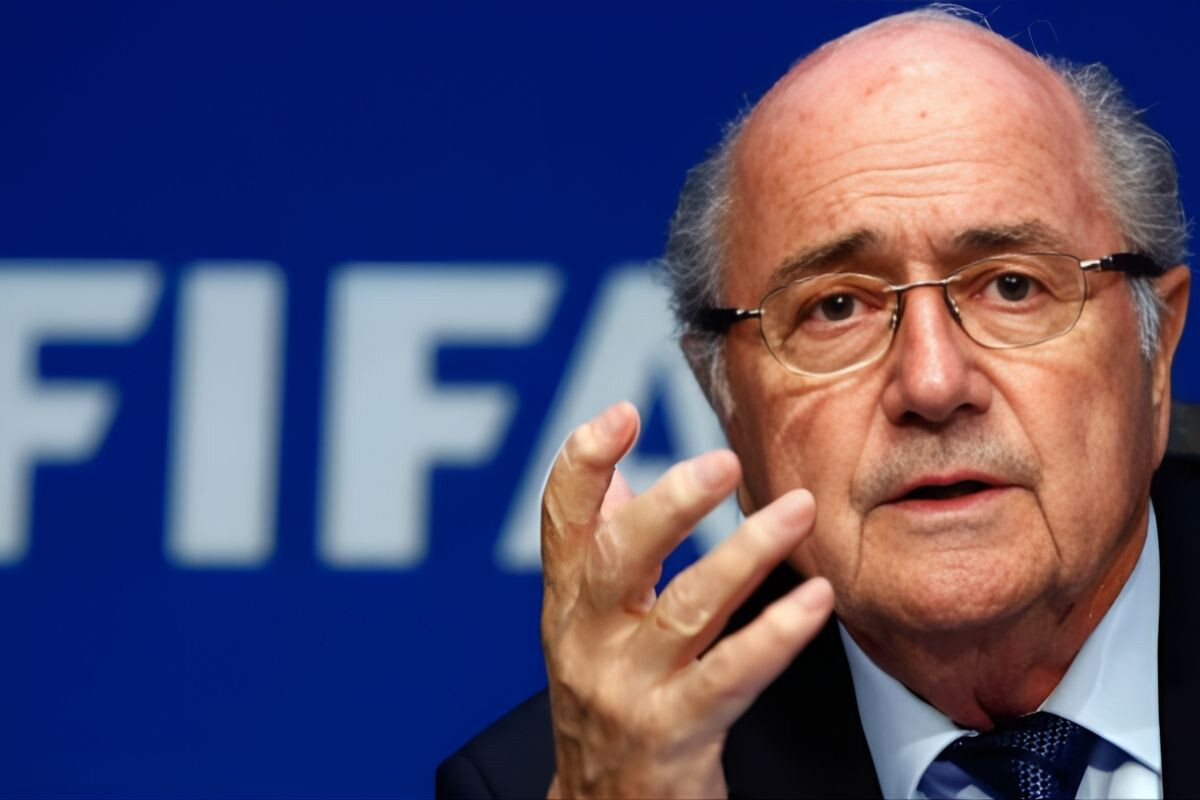
Former FIFA president Sepp Blatter has urged a boycott of the 2026 World Cup, set to be hosted jointly by the United States, Mexico, and Canada. Following prior calls from Germany and the Netherlands, this latest appeal has intensified discussions around the 23rd edition of what is often called the “greatest show on Earth.” Blatter cited deteriorating relations between Europe and the administration of US President Donald Trump as a primary reason for his stance.
Blatter’s remarks follow similar interventions from prominent figures in European football and media. German politician and English media personality Piers Morgan previously advocated for a boycott, and Dutch television producer Toine van de Keuken called for the Netherlands to withdraw its national team from the tournament. Blatter has now become the most recent high-profile voice questioning the suitability of the United States as host nation.
In a post on X (formerly Twitter), Blatter endorsed comments made in a recent interview with Swiss newspaper Der Bund by Mark Pieth, a former chairman of FIFA’s independent Governance Committee overseeing reform initiatives a decade ago. Pieth advised supporters against travelling to the United States, suggesting that watching matches on television would be a safer alternative. He warned that visitors could be deported on the next flight if they failed to meet US authorities’ expectations.
Blatter quoted Pieth in his post: “I believe Mark Pieth is entirely correct in raising questions about this World Cup.”
Concerns regarding the United States stem from several controversial policies under the Trump administration. These include expansionist stances on Greenland, travel bans affecting several countries, and strict law enforcement measures to suppress protests, particularly in cities such as Minneapolis.
Oke Gatlish, Vice-President of the German Football Federation, told Morgenpost last Friday that “it is now time to seriously consider the possibility of a World Cup boycott.”
Travel restrictions have already disrupted fans from top African football nations. Supporters from Senegal and Ivory Coast were barred from entering the United States without pre-issued visas, due to the administration citing deficiencies in screening and vetting procedures. Similarly, fans from Iran and Haiti, whose national teams qualified for the tournament, are also likely to face entry restrictions under the first phase of the US travel ban.
| Country / Region | Restriction Type | Notes |
|---|---|---|
| Senegal & Ivory Coast | Entry barred without visa | Affected supporters’ travel plans two weeks ago |
| Iran & Haiti | Included in travel ban | Qualified for 2026 World Cup but fans may be denied entry |
| United States | Law enforcement & protest suppression | Minneapolis and other cities under tight security |
| Greenland | Expansionist policies | Part of broader European concerns |
The calls for a boycott have sparked debate across the global football community, highlighting political tensions and fan safety concerns ahead of the World Cup. With less than six months to go, discussions are likely to intensify as supporters weigh whether attending the tournament in person is worth the potential risks.


Comments