Sunday, 5th April 2026

Khabor Wala Desk
Published: 7th January 2026, 11:41 AM
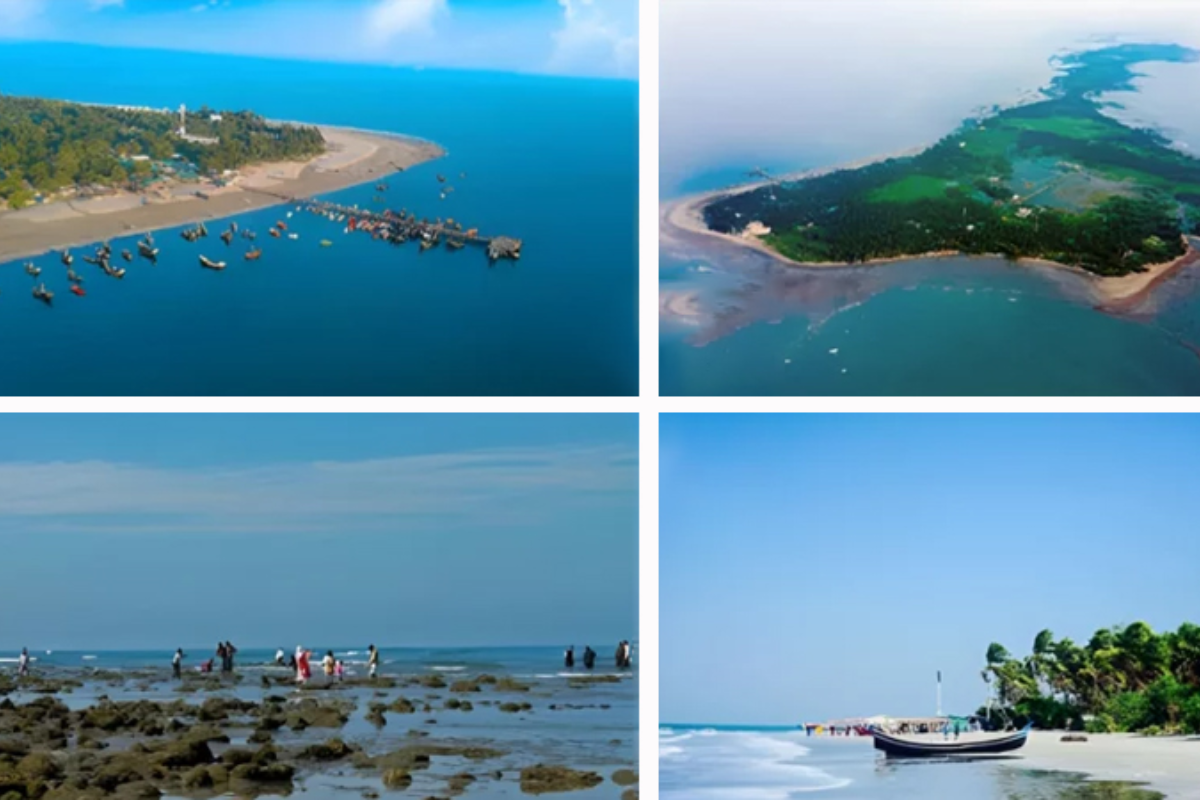
Saint Martin, Bangladesh’s only coral island, faces an existential threat due to decades of governmental neglect, unregulated development, and uncontrolled tourism. The island’s natural defences have been severely compromised, while profit-driven infrastructure such as hotels and resorts has proliferated. This has placed immense pressure on the fragile ecosystem and local communities. To safeguard the island, a draft master plan has proposed dividing Saint Martin into four distinct zones, each with specific conservation and usage guidelines.
Between February and October 2025, the Environment and Forest Advisers imposed a nine-month ban on tourist access to allow the island’s ecosystem some recovery. The temporary closure has already yielded positive results, including visible regeneration of corals and the resurgence of marine life.
The draft plan, prepared by the Centre for Environmental and Geographic Information Services (CEGIS) under the Ministry of Water Resources, was unveiled during a workshop held at Hotel InterContinental in Dhaka. It outlines the following four zones for management:
| Zone Name | Purpose & Access Restrictions | Key Objectives |
|---|---|---|
| General Use Zone | Tourism, hotels, resorts, and other economic activities permitted | Promote controlled economic activity and tourism |
| Managed Resource Zone | Sea turtle breeding area; daytime tourist visits allowed, no overnight stay; locals restricted from resource use | Conservation of breeding areas and controlled tourism |
| Sustainable Use Zone | Includes bushland, lagoons, and mangroves; limited local resource use allowed; daytime access only for tourists | Balance local resource use with ecosystem preservation |
| Restricted Zone | No entry allowed | Strict protection of biodiversity |
The master plan focuses on four primary goals: ecosystem restoration, controlled tourism, marine resource and livelihood protection, and climate-resilient infrastructure. It recommends replacing diesel generators with solar power and implementing rainwater harvesting systems.
Speaking at the workshop, Syeda Rizwana Hasan, Adviser to the Ministries of Environment, Information, and Water Resources, stated: “Saint Martin cannot be synonymous with uncontrolled tourism. The island’s first priority must be conservation. If 10,000 tourists visit daily on an island of 8,000 residents, it directly impacts local livelihoods and the environment. Tourism must be community-centred and regulated, with alternative livelihoods supported through fisheries, handicrafts, and small-scale agriculture.”
Wildlife expert Reza Khan highlighted that over 70% of the island’s coral has been destroyed, with some south-eastern areas recently submerged. “The island was once mostly underwater. Continuous research across all seasons is crucial,” he said.
Secretary of the Ministry of Environment, Forests, and Climate Change, Farhina Ahmed, emphasised that no human activity should compromise the island’s natural development. Director General of the Department of Environment, Md. Kamruzzaman, noted that biodiversity is gradually returning, provided eco-friendly construction continues.
CEGIS Senior Expert H.M. Nurul Islam warned that foreign plant species, overfishing of lobsters, and ship anchor damage remain major threats. Meanwhile, UNDP Deputy Resident Representative Sonali Dayaratne expressed optimism: “We are delighted to contribute to the conservation of this biodiversity-rich island.”
If implemented effectively, the four-zone plan is expected to restore the ecosystem, regulate tourism, and secure livelihoods for local communities, creating a model of sustainable island management in Bangladesh.




Comments