Sunday, 5th April 2026

Khabor Wala Desk
Published: 22nd December 2025, 10:30 AM
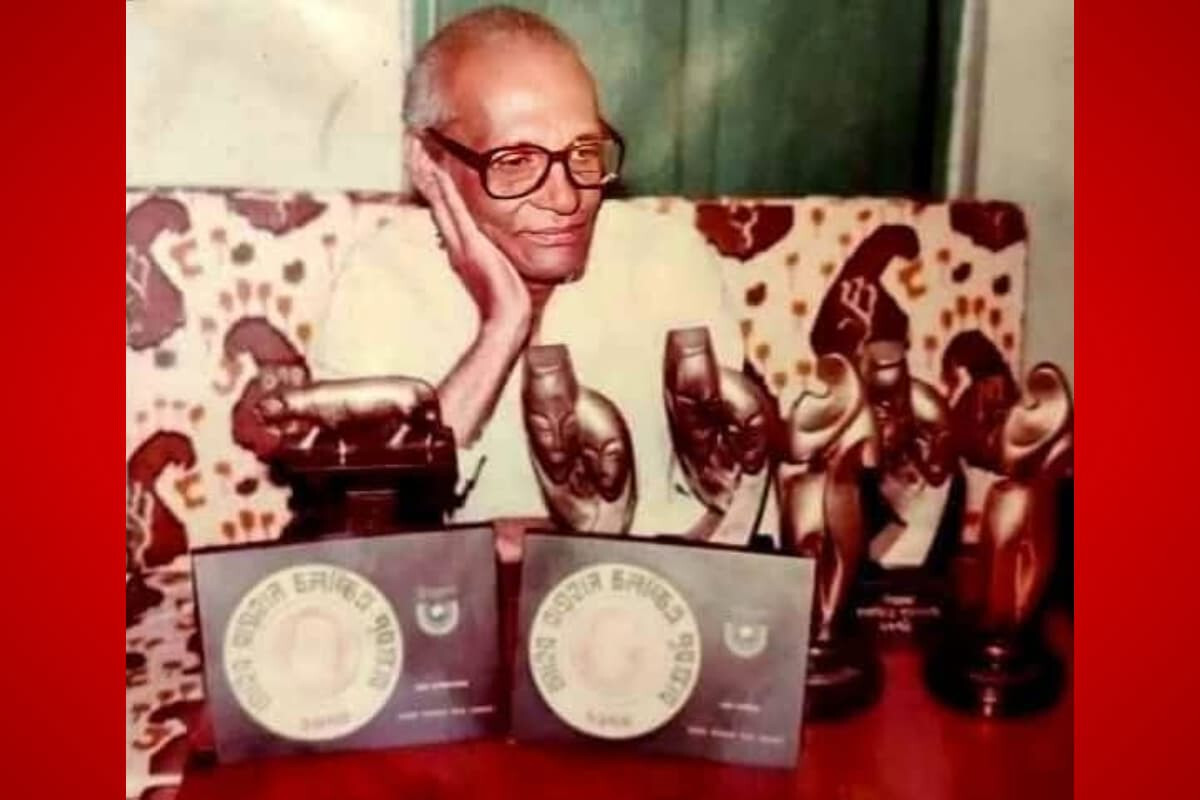
Narayan Ghosh Mita occupies a singular and revered place in the cultural and historical narrative of Bangladesh. He was not merely a film director, but a multifaceted creative force—director, producer, screenwriter, actor, valiant freedom fighter, and a devoted “sound warrior” of the Swadhin Bangla Betar Kendra during the Liberation War. His life and work shone with equal brilliance across three defining spheres of the nation’s identity: art, culture, and the struggle for independence.
Born on 22 December 1932 into a culturally enlightened family in Old Dhaka, Narayan Ghosh Mita was immersed in artistic sensibilities from an early age. This formative environment nurtured a deep awareness of human emotions, social realities, and aesthetic discipline—qualities that would later define his cinematic language. He entered the world of cinema in the 1960s, a formative period for Bangladeshi film, and soon established himself as a thoughtful and sensitive filmmaker.
His directorial work Ettuku Asha (1968) explored the complexities of family conflict and emotional restraint with rare subtlety, firmly positioning him as a director of human depth. Earlier, he had directed Chawa Pawa, starring Golam Mustafa and Suchanda. This film marked the screen debut of Shubra, who would later rise to prominence as a celebrated film and television actress and an accomplished classical dancer.
In Neel Akasher Nichey (1969), Narayan Ghosh Mita returned to themes of familial bonds and moral values, portraying them with warmth and empathy. His post-war masterpiece Alor Michhil (1974) stands as a courageous reflection of post-Liberation Bangladesh, confronting social disarray, corruption, and collective disillusionment with striking honesty.
Alongside his achievements as a director, he left an enduring impression as an actor. His performance in Kancher Shwargo remains etched in the memory of audiences for its restraint and emotional resonance.
A defining milestone came in 1975, when at the very first National Film Awards, his film Lathial earned him both Best Director and Best Producer—an extraordinary dual recognition of his creative vision and leadership.
Later in life, Narayan Ghosh Mita relocated to West Bengal, where he continued to create refined and intellectually grounded films. His contribution to theatre was equally lauded, particularly his performance in the stage play Jallader Darbar, alongside Raju Ahmed, Azmal Huda Mithu, and Kalyan Mitra.
Yet, above all accolades, his most honourable identity remained that of a freedom fighter and sound warrior of the Swadhin Bangla Betar Kendra—using not only arms, but voice, words, and creativity in the fight for liberation. Carrying an unspoken sorrow and quiet anguish, he eventually left his homeland, though his spirit never truly departed from it.
He was the father of three sons and one daughter. On 1 December 2002, Narayan Ghosh Mita passed away, leaving behind a legacy that transcends cinema.




Comments