Sunday, 5th April 2026

Khabor Wala Desk
Published: 7th October 2025, 6:45 AM
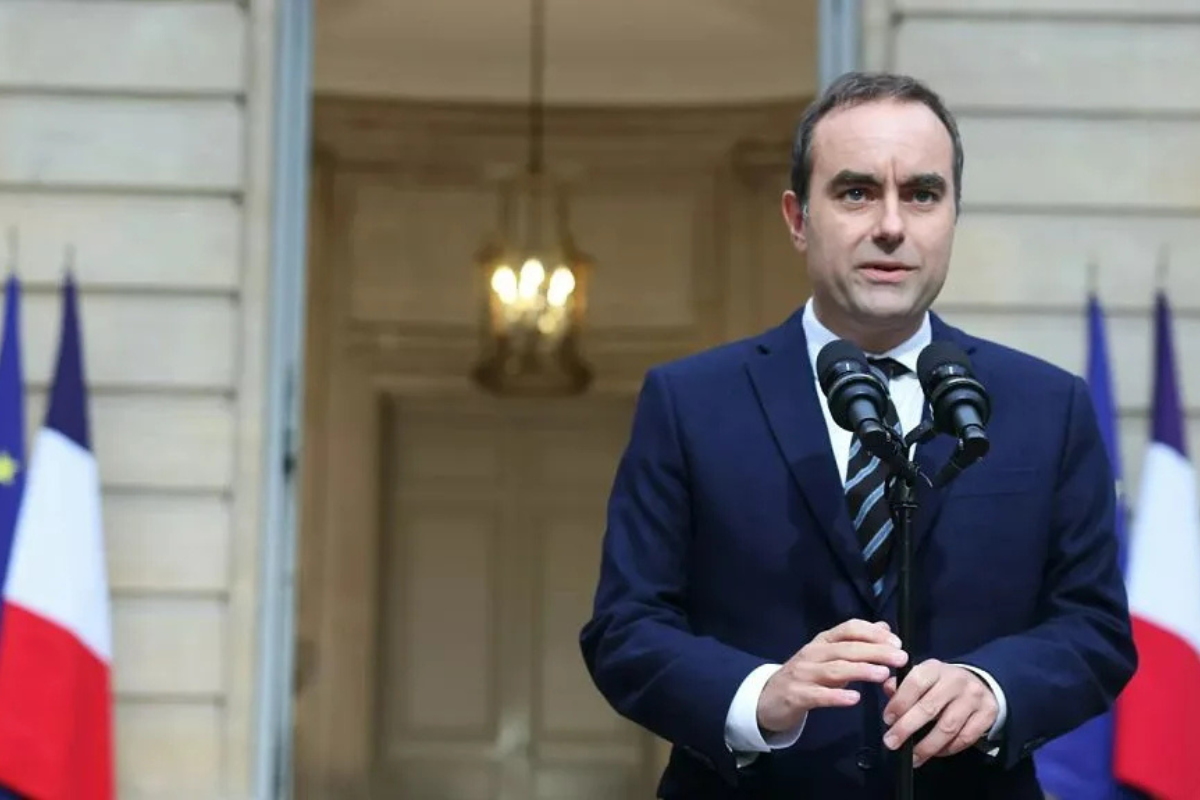
France’s outgoing Prime Minister Sebastien Lecornu was set to make a last-ditch attempt on Tuesday to rally cross-party support for a cabinet capable of steering the country out of a prolonged political deadlock.
Lecornu unveiled a new cabinet on Sunday evening, but it immediately drew criticism for including many of the same faces as the previous government, prompting him to resign on Monday.
By Monday evening, however, Lecornu had agreed to Macron’s request to spend two days attempting to salvage his administration.
“I have accepted to hold final discussions with the political forces and will report back to President Macron on Wednesday evening,” Lecornu wrote on social media.
A presidential official indicated that Macron is prepared to “assume his responsibilities” if negotiations fail, likely hinting at the possibility of calling fresh legislative elections.
Critics were particularly unhappy with the appointment of former finance minister Bruno Le Maire as defence minister, viewing him as a symbol of Macron’s economic policies.
Lecornu’s resignation deepens a crisis that has shaken France for over a year, following snap elections in mid-2024 that resulted in a hung parliament.
Internal criticism has grown within Macron’s centrist bloc:
The turmoil unfolds ahead of the 2027 presidential elections, which are expected to be a historic crossroads in French politics.
Lecornu’s predecessors, Francois Bayrou and Michel Barnier, were ousted over disagreements regarding an austerity budget. Any new premier will still face the challenge of securing enough support for the spending bill in a parliament where Macron’s allies remain in the minority.
Economic context:
| Indicator | Status |
| Public debt | Record high |
| Debt-to-GDP ratio | EU’s third highest after Greece and Italy |
| EU limit | 60% of GDP |
| Legislative support | Macron-friendly bloc in minority |
Macron has so far resisted calls for fresh elections and ruled out resigning before 2027.
The situation highlights deep political instability in France, with both internal party dissent and the far-right opposition positioning themselves ahead of the next presidential election.




Comments