Sunday, 5th April 2026

Khabor Wala Desk
Published: 16th April 2025, 8:44 PM
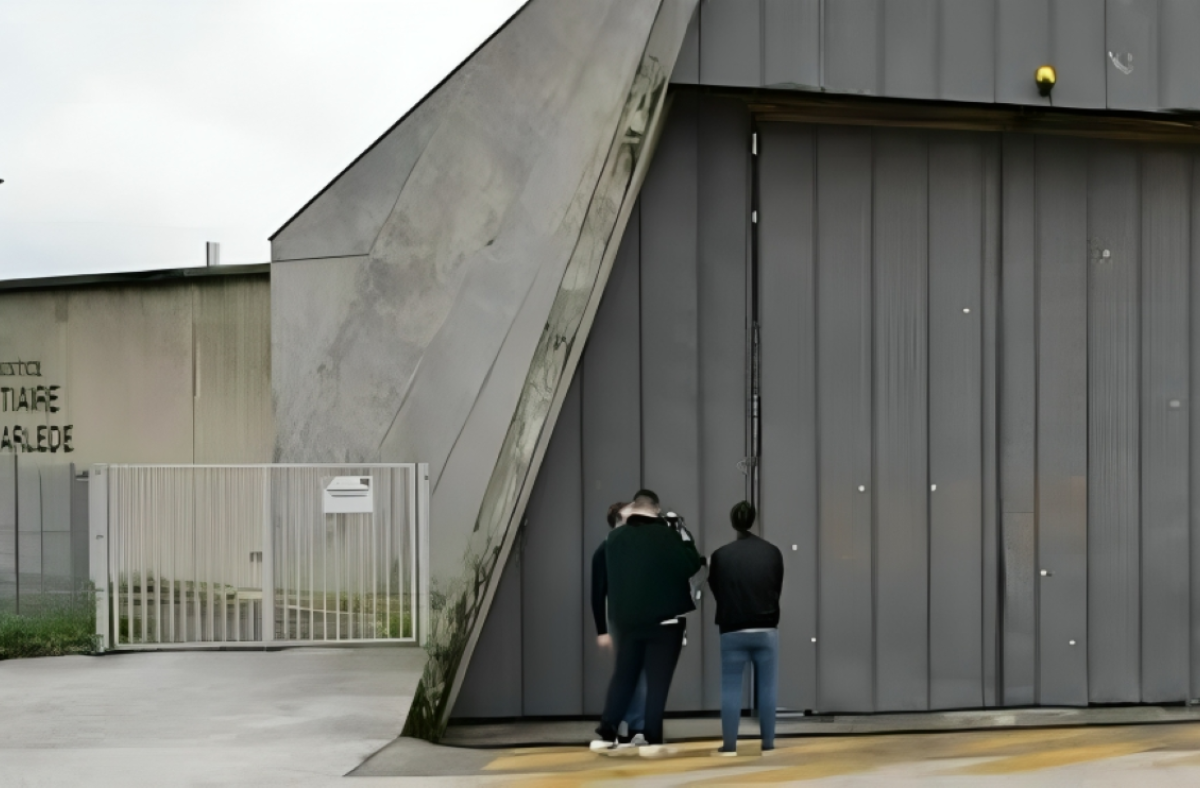
Paris, 16 April 2025 (BSS/AFP) – A series of attacks targeting prison guards’ vehicles and residential buildings has reignited security concerns across France, as authorities attribute the violence to criminal networks resisting recent crackdowns on drug trafficking.
Overnight, unidentified assailants set fire to three cars, including one belonging to a prison officer, in the car park of the Tarascon jail in southern France, according to local prosecutors. In a separate incident, another officer’s vehicle was torched outside his home near Aix-en-Provence. A third attack in the Seine-et-Marne region, near Paris, saw the entrance of a building where a female prison officer resides partially set ablaze. Graffiti reading “DDPF” – an acronym believed to stand for “Rights of French Prisoners” – was found at the scene.
These incidents form part of a broader wave of attacks that began on Sunday, targeting prisons and staff across the country. Since then, at least 21 vehicles have been vandalised or set alight, and gunfire was reported at the entrance of a prison near Toulon. Most of the assaults occurred during the night, raising concerns about coordination and motive.
Justice Minister Gérald Darmanin has accused individuals linked to drug cartels of orchestrating the attacks as retaliation for tougher prison policies. “Clearly, there are efforts to destabilise the state by intimidating its institutions,” Darmanin said during an interview with French broadcaster CNews/Europe 1. He emphasised that the government’s crackdown on long-standing leniency within prisons is provoking resistance from criminal factions.
The recent escalation follows Darmanin’s ongoing “prison revolution” campaign, which seeks to isolate France’s 200 most dangerous drug traffickers in two newly designated high-security prisons from this summer. A related bill focused on combating drug-related crimes is scheduled to be debated in Parliament by the end of the month.
In recent months, Darmanin and Interior Minister Bruno Retailleau have pledged to intensify the battle against narcotics. These efforts have included efforts to curb the influence of incarcerated traffickers who continue to command criminal operations from behind bars.
The “DDPF” acronym has been prominently featured in nearly all the latest attacks. A video circulated by a Telegram account bearing the same name showed a prison guard exiting a vehicle, followed by grainy footage of a letterbox with a nameplate. The clip ended with a car burning in front of a residential building. The account, created only days earlier, had gained over 1,000 followers before the video was removed.
In an earlier post, the group described itself as a movement defending the “fundamental rights” that it claims Minister Darmanin intends to infringe upon. However, critics argue that the campaign of intimidation is less about rights and more about maintaining control by powerful criminal groups.
Darmanin cited the example of Mohamed Amra, a notorious suspected drug kingpin, who was violently freed from a prison van last year in a deadly ambush that left two guards dead. Amra was later re-arrested in Romania and extradited to France, where he is now held in one of the planned high-security facilities.
While many have supported the government’s firm stance, others have voiced concern. The International Prisons Observatory, a prison reform watchdog, condemned the proposed measures as driven by a “security obsession” and warned that they could lead to human rights violations within the penal system.
The recent violence has underscored the broader issue of criminal influence inside French prisons and the challenges facing law enforcement in breaking the link between organised crime and incarceration. The coming weeks, especially the parliamentary vote, are likely to be a turning point in the battle between state authority and criminal networks determined to resist it.




Comments