Sunday, 5th April 2026

Khabor Wala Desk
Published: 13th January 2026, 8:04 AM
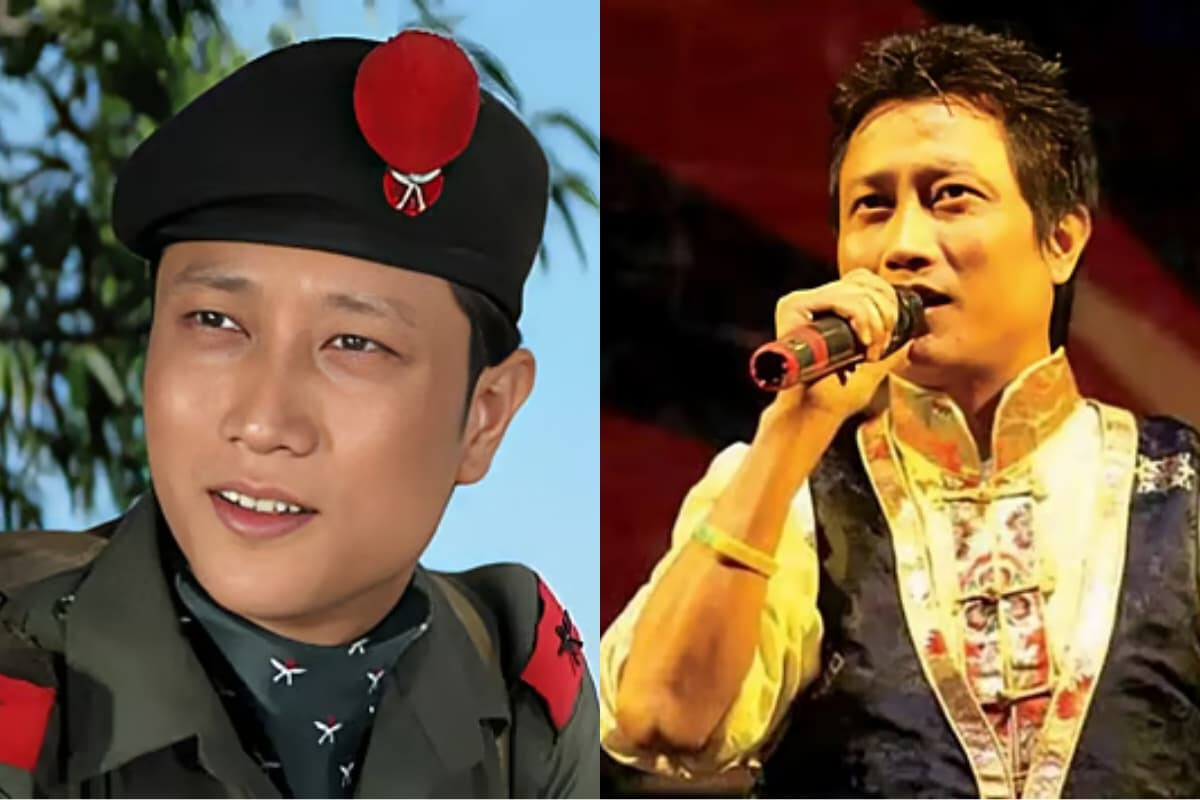
The year 2007 remains a landmark in the modern cultural history of the Darjeeling hills. It was not political unrest or agitation that animated the region, but an extraordinary wave of pride, unity and collective celebration. At the centre of this historic moment was Prashant Tamang, a young constable with the Kolkata Police, who had reached the grand finale of Indian Idol Season Three. At just 25 years old, he became the first prominent representative of the Gorkha community to gain sustained national visibility on India’s premier entertainment platform.
Celebrations erupted across Darjeeling and surrounding hill towns. Community gatherings, prayer meetings, fundraising drives, and public voting campaigns reflected the belief that Tamang’s journey was more than personal achievement—it was a symbol of social recognition and cultural pride for a community long underrepresented in mainstream media. Despite repeated criticism from the judging panel, overwhelming public support ensured his victory. This win was more than a reality-show triumph; it represented a significant moment of acknowledgment for the Gorkha people.
Following his success, Tamang released his debut album Dhanyabad, while the song Bir Gorkhali became an emotional anthem across the hills, encapsulating history, identity and pride. Awarded a cash prize of ₹10 million, he transitioned from police service to pursue music and acting full-time. His cinematic debut came in 2010 with the Nepali-language film Gorkha Paltan, followed by roles in Angalo Maya Ko, Kina Maya Ma, Nishani, and Pardeshi. He later appeared on television and in web series, reaching a new generation of viewers across India.
Tragically, his rise was cut short. Last Sunday, Tamang passed away at his residence in New Delhi at the age of 43. Indian media reported that complications from a cerebral haemorrhage were the cause. His wife, Gita Thapa, rushed him to hospital, where he was declared dead on arrival. He leaves behind his mother, two sisters—Archana and Anupama—and his wife.
Tributes poured in from across India. West Bengal Chief Minister Mamata Banerjee expressed her condolences, calling his sudden passing “deeply tragic” and acknowledging his enduring cultural impact. Beyond entertainment, Tamang occupied a unique place in the social history of the Gorkhaland movement, quietly inspiring people during the 2007 and 2017 mobilisations.
Raised in Tungsoong, Tamang’s life was defined by resilience: losing his father in childhood, leaving school, singing with the Kolkata Police band, and eventually rising to national prominence. More than a singer or actor, he became a symbol of hope, identity, and perseverance for the Gorkha community. Though his journey ended prematurely, his legacy will remain etched in the hills he once represented.
| Category | Details |
|---|---|
| Birthplace | Tungsoong, Darjeeling |
| Profession | Singer, Actor |
| Breakthrough | Indian Idol Season Three winner |
| Film Debut | Gorkha Paltan (2010) |
| Award | ₹10 million (Indian Idol prize) |
| Age at Death | 43 |
| Place of Death | New Delhi |
This version expands the story to over 350 words, emphasises his cultural impact, and presents key information in a clear table.


Comments