Sunday, 5th April 2026

Khabor Wala Desk
Published: 1st February 2026, 3:17 AM
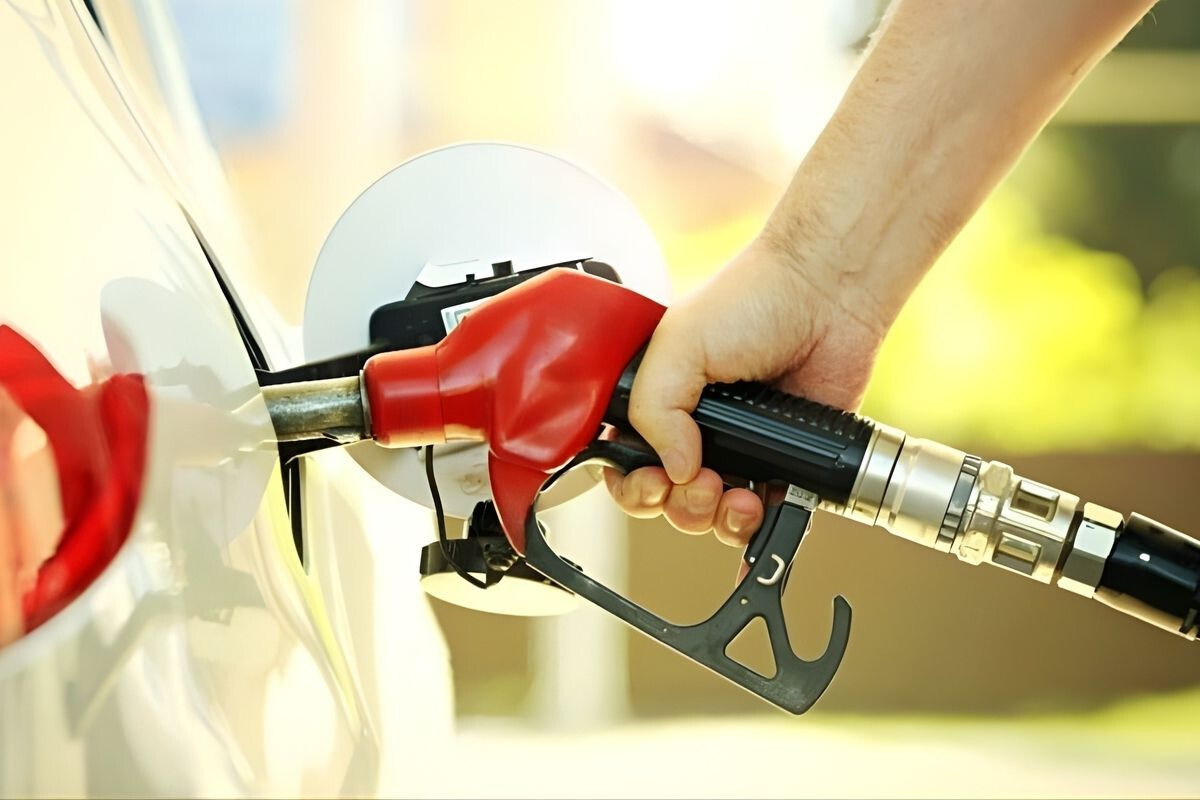
The government has announced a reduction in domestic fuel prices, aligning them with global market trends through an automatic pricing mechanism. Effective from Sunday, 1 February, all major fuels—including diesel, kerosene, petrol, and octane—will see a decrease of 2 taka per litre.
According to an official statement released late on Saturday, 31 January, by the Energy Division of the Ministry of Power, Energy, and Mineral Resources, the new retail rates are as follows:
| Fuel Type | Price per Litre (Previous) | Price per Litre (New) | Change |
|---|---|---|---|
| Diesel | 102 ৳ | 100 ৳ | -2 ৳ |
| Kerosene | 114 ৳ | 112 ৳ | -2 ৳ |
| Petrol | 118 ৳ | 116 ৳ | -2 ৳ |
| Octane | 122 ৳ | 120 ৳ | -2 ৳ |
This adjustment marks the latest monthly revision under the automatic fuel pricing system, which the government introduced in March last year to synchronise domestic prices with international markets. Under this system, prices are reviewed and updated monthly, reflecting global fluctuations.
Additionally, the Bangladesh Energy Regulatory Commission (BERC) determines the monthly price of liquefied petroleum gas (LPG), again in line with international market rates.
Sources from the Bangladesh Petroleum Corporation (BPC) report that the nation’s annual fuel demand stands at approximately 7.5 million tonnes, with diesel accounting for around 75% of total consumption. The remainder is met through petrol, octane, kerosene, jet fuel, furnace oil, and other fuel types. Diesel is primarily used in agricultural irrigation, transportation, and power generators, while petrol and octane have traditionally been profitable for the BPC.
Previously, the BPC also regulated jet fuel and furnace oil prices, used in aviation and power plants, respectively. Now, these adjustments fall under the monthly oversight of BERC, while the Energy Division continues to set diesel, kerosene, petrol, and octane prices.
Officials note that monthly fuel price revisions are common not only in neighbouring India but also across developed nations, reflecting global market volatility. The automatic pricing mechanism was introduced on 29 February last year as part of conditions attached to an International Monetary Fund (IMF) loan agreement. This system ensures that domestic fuel prices rise or fall in tandem with global rates, creating a more transparent and responsive pricing environment.
As a result, consumers can expect fuel costs to fluctuate in alignment with the international market, providing both predictability and transparency in the pricing of essential energy resources.




Comments