Sunday, 5th April 2026

Khabor Wala Desk
Published: 14th December 2025, 10:21 AM
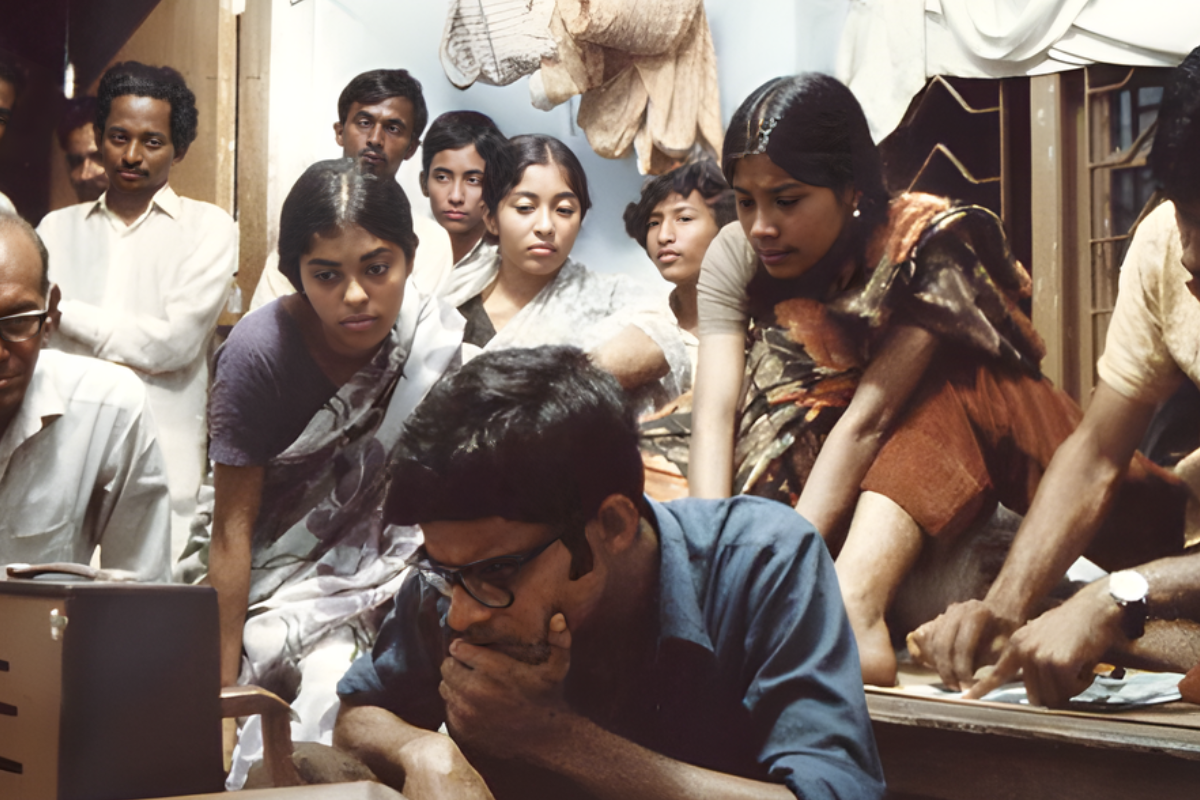
More than five decades after Bangladesh’s Liberation War, the songs broadcast by the Swadhin Bangla Betar Kendra continue to resonate with undiminished emotional power. These were not merely songs created for artistic expression; they were instruments of resistance, morale boosters for freedom fighters, and a unifying voice for a nation struggling to break free from colonial and military oppression. This year, those historic melodies are being reborn through the voices of a new generation.
To mark Victory Day on 16 December, the Ministry of Cultural Affairs has organised a nationwide programme across all districts of the country. The initiative seeks to reconnect young people with the cultural and emotional foundations of the 1971 Liberation War by having young artists perform the legendary patriotic songs once broadcast by the Swadhin Bangla Betar Kendra.
According to organisers, the programme extends beyond musical performances. Each district will host photographic exhibitions depicting scenes from the war, along with discussion sessions that explore how music functioned as a powerful psychological weapon during the conflict. The aim is to present history not as a distant narrative, but as a living experience that shaped the nation’s identity.
Songs such as “Joy Bangla, Banglar Joy,” “Purbo Digonte Surjo Uthechhe,” “Tirhara Ei Dheu-er Shagor,” and “Mora Ekti Phoolke Bachabo Bole Juddho Kori” will be performed by young voices across the country. During the war, these songs travelled through radio waves into refugee camps, battlefronts, and occupied towns, offering hope where despair was widespread.
Cultural historians note that the Swadhin Bangla Betar Kendra played a role far greater than that of a broadcasting station. It was, in essence, the cultural headquarters of the liberation movement. When weapons were scarce and uncertainty prevailed, music became a means of emotional mobilisation, instilling courage and reinforcing collective resolve.
The Victory Day programmes will also explore the stories behind the songs. Audiences will learn how lyricists, composers, and singers lived under constant threat while producing music that could inspire thousands. These narratives are intended to help young people understand that independence was achieved not only through armed struggle, but also through cultural resistance.
Officials from the Ministry of Cultural Affairs believe this approach is crucial at a time when younger generations are increasingly distant from the lived experiences of 1971. While textbooks provide facts and dates, music conveys emotion, sacrifice, and resilience in a way that formal education often cannot.
By placing these songs in the voices of today’s youth, the organisers hope to create a bridge between generations. In doing so, the timeless spirit of the Liberation War is not merely remembered—it is reinterpreted, renewed, and passed forward as a living legacy.


Comments