Sunday, 5th April 2026

Khabor Wala Desk
Published: 15th October 2025, 9:27 AM
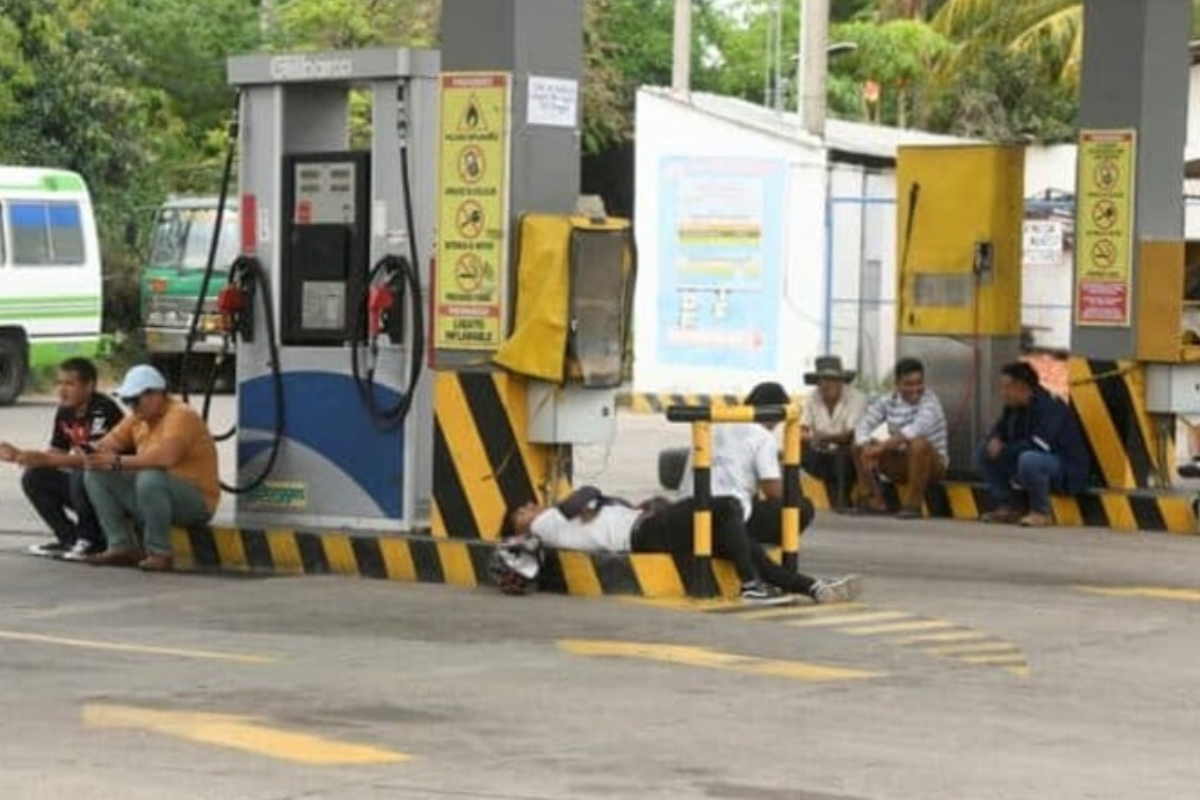
A severe fuel shortage is threatening preparations for Bolivia’s upcoming presidential run-off, an election expected to shift the Andean nation to the right after twenty years of leftist rule, an electoral official warned on Tuesday.
The run-off, scheduled for Sunday, pits right-wing former president Jorge “Tuto” Quiroga against centre-right former mayor Rodrigo Paz, marking the likely end of two decades of Socialist governance that began under Evo Morales, the former coca farmer who first came to power in 2005.
This year’s race has unfolded against the backdrop of Bolivia’s most severe economic downturn in nearly forty years. Chronic shortages of fuel and foreign currency, combined with annual inflation exceeding 23%, have deepened public discontent with the outgoing Socialist administration.
| Economic Indicator | Current Status (2025) | Impact |
| Inflation Rate | Over 23% annually | Sharp rise in prices of essential goods |
| Fuel Supply | Critically low | Long queues at filling stations; transportation disruption |
| Dollar Reserves | Nearly depleted | Government struggling to fund subsidies |
| Public Sentiment | Widespread dissatisfaction | Growing opposition to Socialist rule |
According to Sonia Yujra, President of the Electoral Tribunal of La Paz, the nationwide fuel shortages have not only paralysed transport but are now delaying the distribution of paper ballots — a crucial issue in a country that does not use electronic voting.
“We’re worried about the lack of fuel supplies,” Yujra told AFP, adding that it was directly affecting the distribution of election materials in the administrative capital.
Because every ballot must be physically delivered to more than 9,100 polling stations in La Paz Department — Bolivia’s second-most populous region after Santa Cruz — the shortage could severely hinder the timely deployment of election commissions.
“If we don’t get fuel in a timely manner, the commissions’ ability to leave on schedule for the election will be jeopardised,” Yujra warned.
The outgoing president, Luis Arce, has been accused of depleting Bolivia’s foreign currency reserves in an effort to maintain costly fuel subsidies — a policy now seen as unsustainable.
| Policy | Description | Outcome |
| Fuel Subsidies | Government covers a large portion of domestic fuel costs | Prevented immediate shortages but drained dollar reserves |
| Currency Control | Restriction on foreign exchange outflow | Led to black-market dollar trading |
| Economic Response | Minimal structural reform | Heightened fiscal vulnerability |
Both Quiroga and Paz have pledged to cut fuel subsidies, though they intend to maintain limited support for public transport operators and vulnerable economic sectors.
The election represents a historic political crossroads for Bolivia. After two decades of Socialist governance defined by state control over key industries, social spending, and subsidy-driven welfare policies, the country appears poised to embrace a more market-oriented leadership.
Still, with logistics strained, resources scarce, and public trust fraying, the immediate challenge is ensuring that ballots can even reach polling stations before election day — a reminder that Bolivia’s crisis now extends beyond politics into the very mechanics of democracy itself.



Comments