Monday, 6th April 2026

Khabor Wala Desk
Published: 7th March 2026, 4:44 AM
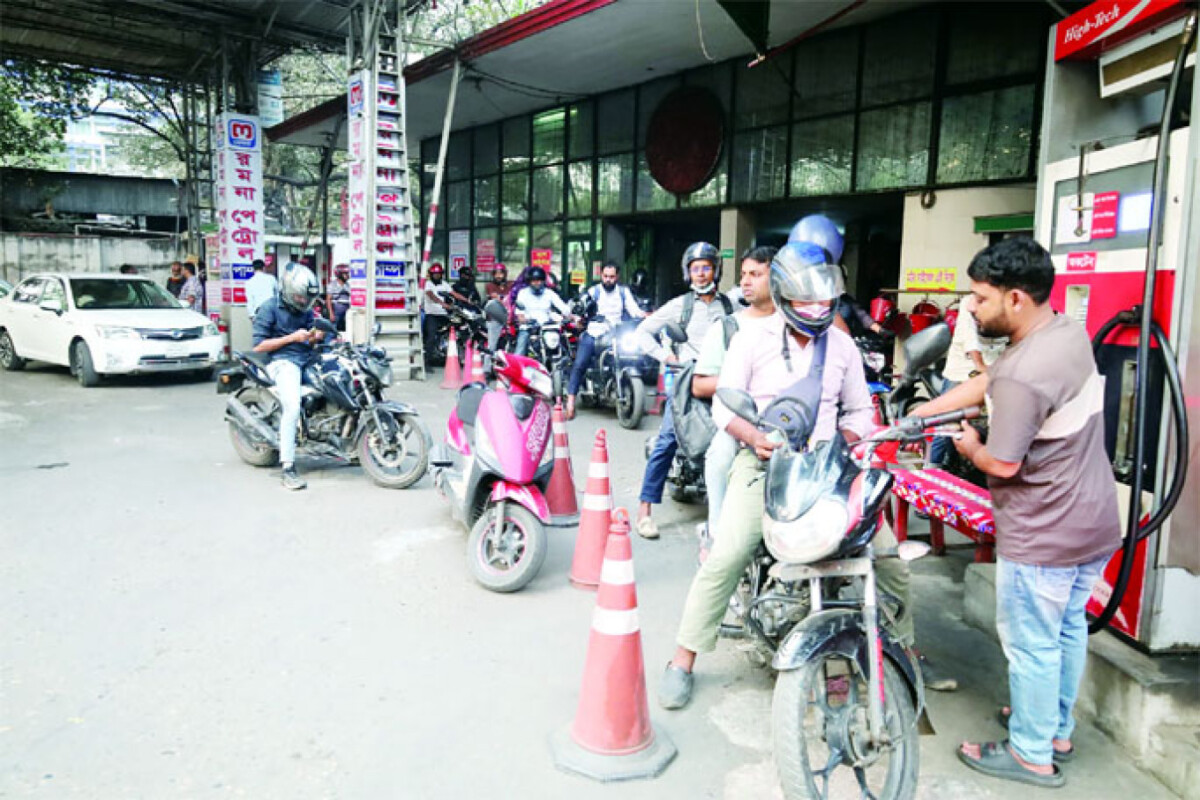
A wave of panic buying has swept across Bangladesh as rumours of a potential fuel shortage prompted motorists to rush to petrol pumps in large numbers. Long queues of vehicles have been reported in Dhaka and several other cities, with drivers scrambling to fill their tanks amid concerns about global supply disruptions linked to escalating tensions in the Middle East.
The sudden surge in demand began earlier in the week when reports of geopolitical conflict in the Middle East circulated widely on social media and news outlets. As fears spread that the crisis could disrupt global oil shipments and drive up prices, motorists across the country began purchasing fuel in larger quantities than usual. Filling stations in areas such as Mohakhali, Mirpur and Savar witnessed unusually long queues, with vehicles lining up along nearby roads and causing traffic congestion.
Fuel station operators reported that sales rose dramatically within a short period. Some stations experienced demand increases of up to 60–80 percent compared with normal levels, as many motorists opted to fill their tanks completely rather than buy small quantities as they typically would. Pump workers said the rush intensified from Wednesday night onward and continued for several days.
However, government authorities have repeatedly stressed that the country is not facing an immediate fuel shortage. The state-run Bangladesh Petroleum Corporation (BPC) said imports of refined fuel are continuing as scheduled and that shipments are arriving regularly. Officials explained that the panic was largely driven by rumours and precautionary stockpiling rather than any confirmed disruption to supply.
To stabilise the situation and prevent hoarding, the authorities introduced temporary limits on the amount of fuel that vehicles may purchase at filling stations. These restrictions are designed to ensure fair distribution and maintain sufficient reserves across the country.
| Vehicle Type | Maximum Daily Fuel Purchase |
|---|---|
| Motorcycles | Up to 2 litres |
| Private cars | Up to 10 litres |
| SUVs, jeeps, microbuses | 20–25 litres |
| Pickups and local buses | 70–80 litres |
| Long-distance buses and trucks | 200–220 litres of diesel |
Energy experts note that Bangladesh relies heavily on imported petroleum products, with roughly 95 percent of its fuel coming from overseas markets. Consequently, geopolitical instability—particularly in the Middle East, a key oil-producing region—can quickly influence domestic sentiment and fuel prices.
The Ministry of Power, Energy and Mineral Resources has urged the public to avoid unnecessary travel, use public transport where possible and adopt energy-saving measures during the ongoing uncertainty. Officials warned that excessive purchasing could create artificial shortages even when supplies remain adequate.
Industry analysts emphasise that panic buying can disrupt normal supply chains by rapidly draining fuel stocks at individual filling stations. They argue that maintaining public confidence and ensuring transparent communication from authorities will be crucial in preventing further market instability.
Despite the temporary rush, officials remain optimistic that the situation will stabilise soon if consumers refrain from hoarding and continue to purchase fuel according to their regular needs.


Comments