Sunday, 5th April 2026

Khabor Wala Desk
Published: 29th July 2025, 6:08 PM
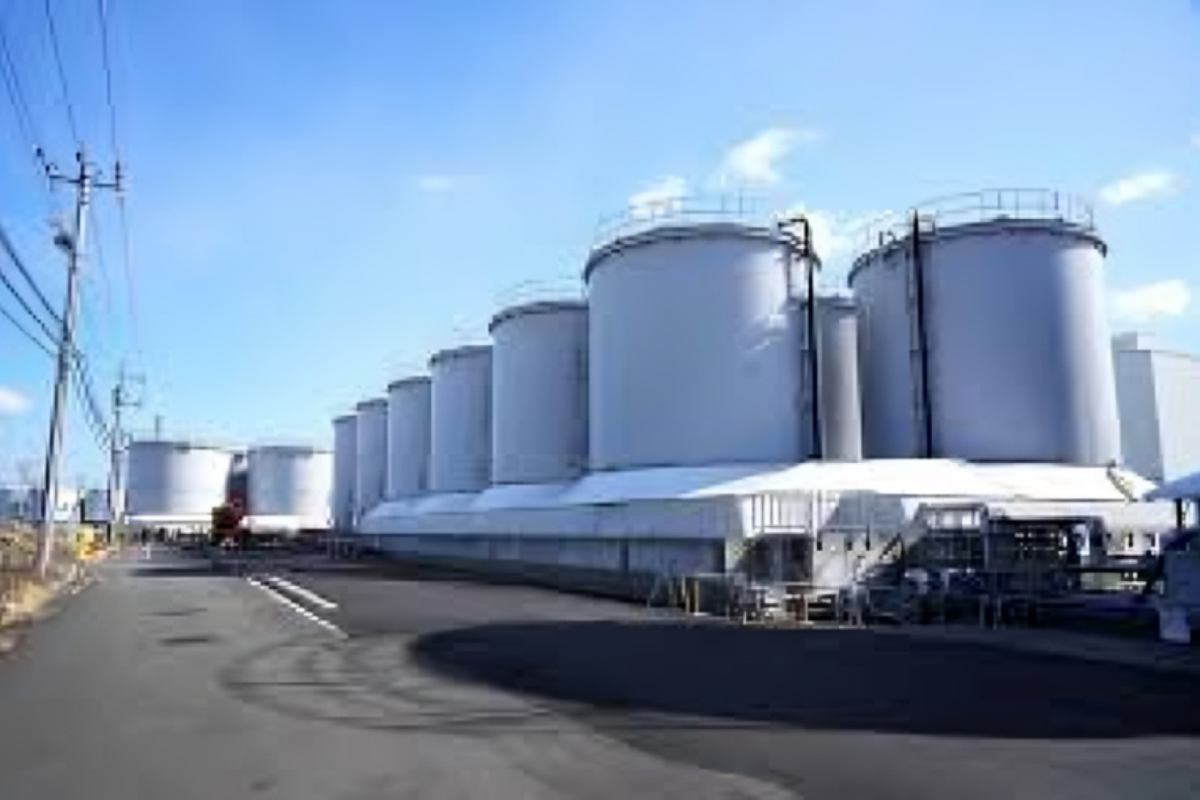
The removal of hundreds of tonnes of radioactive debris from Japan’s tsunami-devastated Fukushima nuclear plant has been postponed until 2037 at the earliest, according to the plant’s operator, Tokyo Electric Power Company (Tepco).
The Fukushima facility, which experienced one of the worst nuclear disasters in history following a 9.0-magnitude earthquake and tsunami in 2011, still contains approximately 880 tonnes of hazardous material.
Updated Timeline and Challenges
Tepco official Akira Ono informed reporters on Tuesday that the preparatory phase for the debris retrieval would require an estimated 12 to 15 years. This marks a significant delay from Tepco’s previous goal of beginning the process in the early 2030s.
| Details | Information |
| Remaining Hazardous Material | ~880 tonnes |
| Original Target Start Date | Early 2030s |
| New Earliest Possible Start Date | 2037 |
| Decommissioning Completion Goal | 2051 (unchanged) |
The primary obstacle remains the extremely high radiation levels, which pose serious risks and complicate efforts to extract melted fuel and radioactive debris. Only minute samples have been retrieved under controlled conditions using specialised tools; full-scale removal has not yet commenced.
Tepco’s Stance
Despite the revised schedule, Tepco reaffirmed its commitment to the 2051 decommissioning target, acknowledging the goal will be “tough” but not impossible.
“There is no need to abandon the target,” said Akira Ono. “It is our responsibility to figure out how to meet it.”
Background
The Fukushima Daiichi Nuclear Power Plant suffered catastrophic failure in March 2011 when three of its six reactors melted down after being inundated by the tsunami. The decommissioning process has since evolved into a multi-decade challenge, involving unprecedented engineering and environmental hurdles.


Comments