Sunday, 5th April 2026

Khabor Wala Desk
Published: 9th February 2026, 5:36 AM
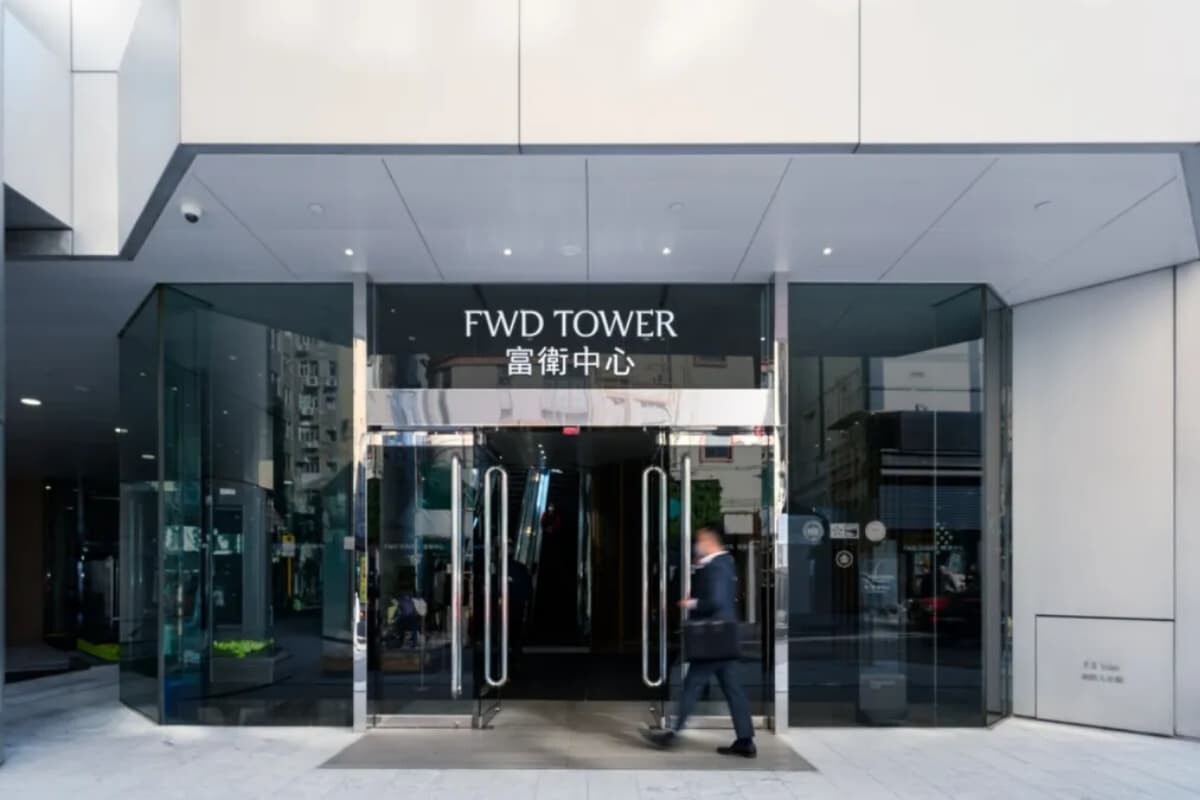
Future Welfare Company in Hong Kong has reported remarkable growth in new business premiums during the first nine months of 2025, significantly outpacing the overall insurance industry. According to preliminary figures released by the Hong Kong Insurance Authority, the company’s first-year premiums nearly doubled compared to the same period last year, underscoring its robust market performance and strategic effectiveness.
As of September 2025, Future Welfare’s annualised new business premiums increased by 74%, compared with an industry average growth of just 43%. Analysts attribute this exceptional performance to the company’s multi-channel strategy, innovative product offerings, and targeted customer engagement initiatives.
A closer look at the performance across key distribution channels highlights the breadth of the company’s growth:
| Distribution Channel | Annualised Premium Growth | Industry Average Growth |
|---|---|---|
| Tied Agency | 52% | 27% |
| Bank Channel | 67% | 32% |
| Brokerage | 88% | 69% |
| Online & Direct | 249% | 111% |
| Total / Overall | 74% | 43% |
The tied agency channel posted a 52% growth in annualised premiums, almost double the sector average of 27%. The bank channel followed closely with a 67% increase, more than twice the market average of 32%. The brokerage channel achieved 88% growth, surpassing the sector benchmark of 69%. However, the most striking performance came from the online and direct channel, which surged by 249%, compared with the market’s 111% growth—demonstrating the growing consumer preference for digital insurance platforms.
Industry experts have credited Future Welfare’s strong performance to its diversified distribution network, strategic expansion of digital services, and proactive customer acquisition initiatives. The company’s innovative insurance solutions, combined with an emphasis on digital engagement, have enabled it to capture market share more rapidly than its competitors.
In Hong Kong’s fast-evolving and highly competitive insurance market, Future Welfare’s results exemplify how companies leveraging both traditional and digital channels can achieve substantial growth. By integrating multiple distribution avenues with digital innovation, Future Welfare is well positioned to sustain its expansion beyond 2025, setting a benchmark for strategic agility and market responsiveness in the region.




Comments