Sunday, 5th April 2026

Khabor Wala Desk
Published: 22nd March 2026, 7:49 AM
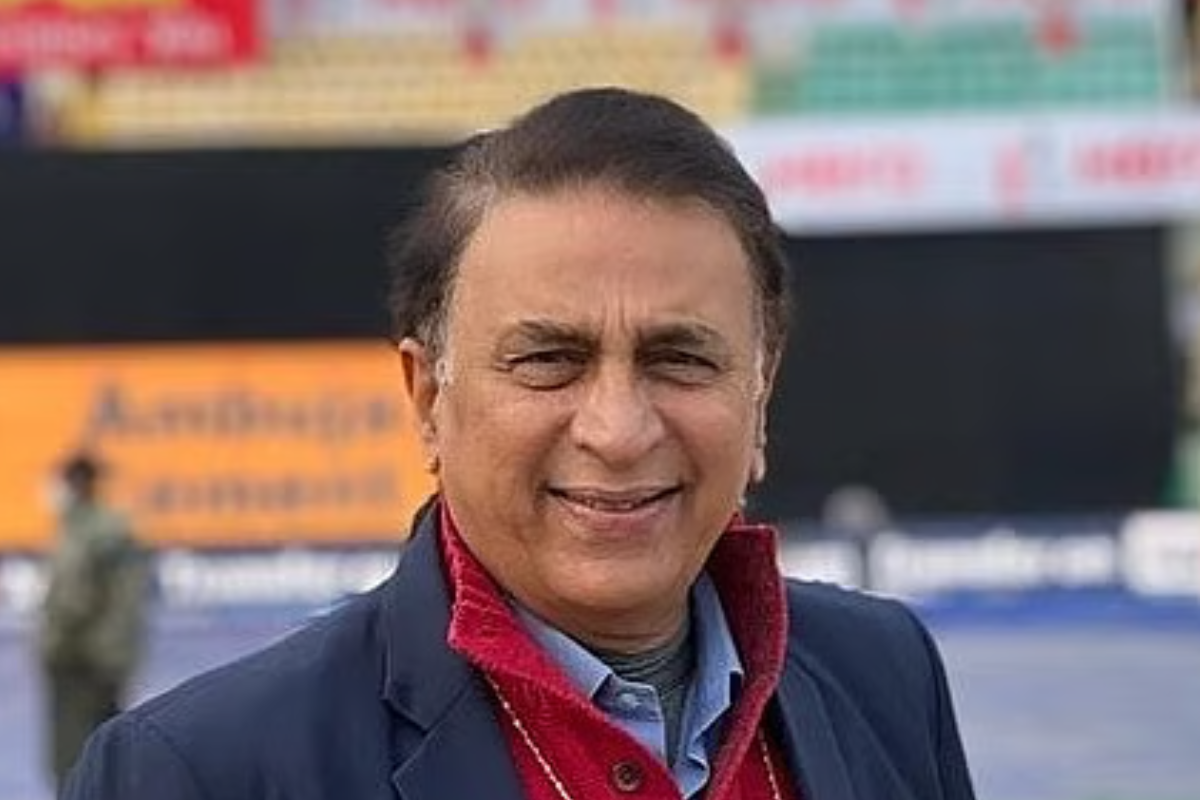
Former India captain Sunil Gavaskar has found himself at the centre of a fresh controversy, not for his exploits with the bat this time, but for his forthright remarks off the field. The cricketing great has firmly rejected accusations of “double standards” after his comments regarding financial links between Indian franchises and Pakistani players sparked widespread debate.
The issue traces back to the 2026 auction of The Hundred, where Pakistani leg-spinner Abrar Ahmed was signed by Sunrisers Leeds. The franchise is part of the Sun Group, a Chennai-based conglomerate led by Kalanithi Maran. His daughter, Kavya Maran, is a prominent figure in cricket franchise ownership, with stakes in multiple teams across global leagues.
Gavaskar had expressed concern that such arrangements could indirectly channel Indian-linked financial resources towards Pakistani cricketers. Given the historically strained relations between India and Pakistan, his remarks quickly reignited long-standing sensitivities surrounding bilateral cricketing ties.
However, the reaction was swift and critical. Detractors accused Gavaskar of hypocrisy, pointing out that he continues to serve on international commentary panels and has appeared alongside Pakistani cricketers in media programmes. This, they argue, contradicts his stance against financial engagement.
Responding to the criticism in the Indian publication Mid-Day, Gavaskar offered a robust defence. He clarified that his commentary roles with the International Cricket Council and the Asian Cricket Council are part of multinational arrangements. According to him, revenues generated from such events are distributed among all participating cricket boards, rather than originating from any single national entity.
“I do not pay anyone—neither Indian nor from any other country,” Gavaskar explained. “The funds are distributed through governing bodies, not individual contributors. So it is unfair to hold me accountable in that context.”
He further emphasised that his concern is specifically about Indian entities directly or indirectly facilitating payments to Pakistani players. In his view, the financial flow has historically been one-sided, with little evidence of reciprocal arrangements benefiting Indian stakeholders.
Another point of contention has been Gavaskar’s appearance during the 2025 ICC Champions Trophy in Dubai, where he featured on a YouTube show titled ‘DP World Dressing Room’. The programme included former Pakistan stars Wasim Akram and Waqar Younis. Critics argued that sharing a platform with Pakistani figures undermined his stated position.
Yet Gavaskar dismissed these claims as misplaced. He maintained that his participation in the programme involved no financial transaction. “I neither sought nor received any remuneration for that appearance,” he said, adding that he has similarly declined paid involvement in other comparable shows, including those linked to the Asia Cup.
The debate highlights a broader tension within modern cricket, where globalised franchise leagues and media collaborations often intersect with national sensitivities. While Gavaskar insists his stance is rooted in principle, critics remain unconvinced, suggesting that the realities of contemporary cricket demand a more nuanced perspective.
Below is a summary of the key issues surrounding the controversy:
| Issue | Gavaskar’s Position | Critics’ Argument |
|---|---|---|
| Franchise signings | Opposes Indian-linked funds reaching Pakistani players | Overly rigid stance |
| Commentary roles | Multinational revenue distribution | Indirect financial involvement |
| Media appearances | No personal remuneration | Contradiction in actions |
As cricket continues to evolve into a global enterprise, the Gavaskar debate underscores the complexities of balancing national sentiment with the increasingly interconnected nature of the sport.


Comments