Sunday, 5th April 2026

Khabor Wala Desk
Published: 26th July 2025, 12:44 PM
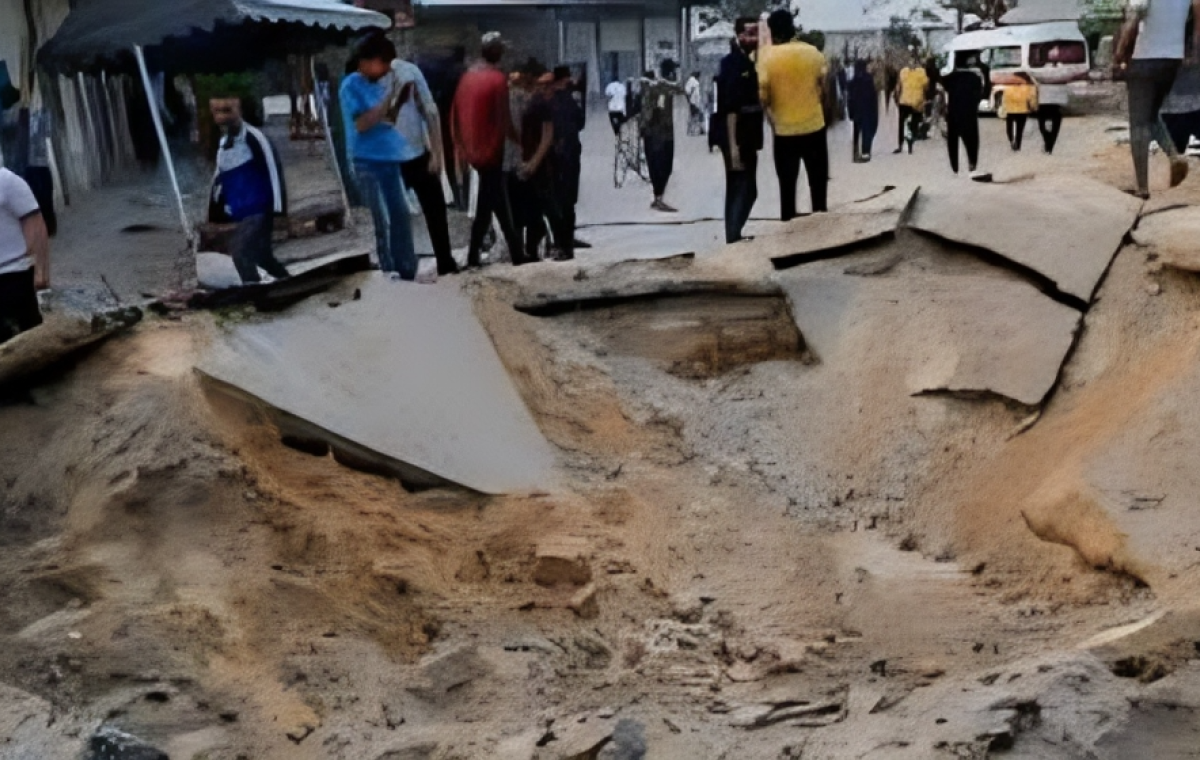
At least 28 Palestinians were killed on Friday in the Gaza Strip as a result of ongoing Israeli military operations, according to the Gaza Civil Defence Agency.
Spokesman Mahmud Bassal told AFP that 23 people were killed throughout Friday, while an overnight airstrike earlier had taken the lives of five more.
| Location/Incident | Number of Fatalities | Details |
| School Strike, Gaza City | 5 | Struck a building sheltering displaced Palestinians |
| Tent Strike, Gaza City (North) | 5 | Targeted a tent sheltering civilians |
| Overnight Air Strike | 5 | Location unspecified |
| Aid Queue Incident | 8 | Killed while waiting to receive humanitarian assistance |
| Other Locations (North, Centre, South) | 5+ | Result of multiple Israeli strikes |
“These attacks hit areas densely populated by civilians, many of whom were already displaced by the ongoing conflict,” said Bassal.
The Israeli military confirmed the Thursday night strike on Gaza City, stating it targeted “a key terrorist in the Islamic Jihad terrorist organisation”, a group that has fought alongside Hamas. However, the military did not comment on the broader casualty reports provided by the Gaza Civil Defence. Media Restrictions and Verification Challenges
Due to severe access restrictions and media limitations in Gaza, AFP has been unable to independently verify the figures and details presented by the civil defence and other parties.
The latest escalation is part of the wider Israeli military campaign that began following a Hamas-led attack on 7 October 2023. That assault, which involved incursions into southern Israel, resulted in:
| Incident | Death Toll | Description |
| Hamas Attack (Oct 2023) | 1,219 | Mostly civilians killed in southern Israel |
| Israeli Military Campaign (since Oct 2023) | 59,676 | Mostly civilians killed in Gaza, according to Gaza’s Health Ministry |
The ongoing violence marks the 22nd month of war, with widespread devastation in Gaza and mounting concerns from humanitarian agencies over the human cost of the conflict.



Comments