Sunday, 5th April 2026

Khabor Wala Desk
Published: 30th July 2025, 7:25 PM
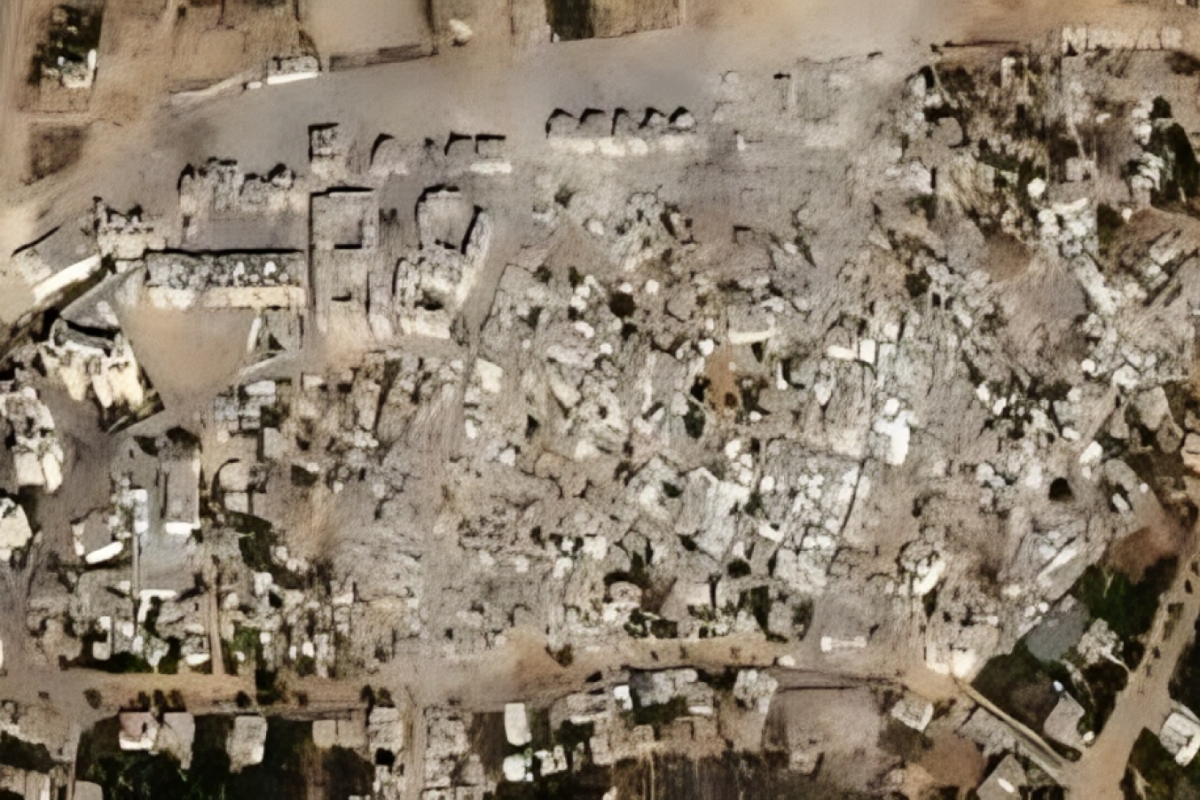
An analysis of NASA satellite data by AFP reveals that the Gaza Strip, long deprived of electricity amid ongoing conflict, now emits just a fraction of its pre-war nighttime brightness. The territory appears seven times dimmer at night than before 7 October 2023, the date marking the beginning of the latest war between Israel and Hamas.
Satellite Findings: Darkness Engulfs Gaza
Comparative satellite imagery taken between January and May 2024 shows the stark difference in illumination:
| Period | Brightness of Gaza (at night) |
| Before 7 Oct 2023 | Full baseline brightness |
| After 7 Oct 2023 | 1/7 of previous levels |
| Gaza City specifically | 1/16 of previous brightness |
NASA’s Black Marble project, which records ground radiance levels at 2,100 points spaced every 500 metres, confirmed a dramatic decline in brightness after 10 October 2023, the day Gaza’s only power plant ceased functioning.
Collapse of Power Infrastructure
Before the war, Gaza residents received electricity for an average of 12 hours per day (OCHA, 2022). In 2024, that figure has dropped to zero.
Following the October 7 Hamas attack, which resulted in 1,219 Israeli deaths, Israel launched a large-scale military operation. Since then:
A City as Dark as the Desert
Since the blackout, once-populated areas of Gaza now appear as dark as the Sinai desert in satellite images. Hospitals with backup generators remain among the few visible points:
The Philadelphi Corridor, along the Gaza–Egypt border and now under Israeli military control, is among the few consistently illuminated zones. At the Kerem Shalom border crossing, where humanitarian aid trucks enter, brightness has increased—making it the only part of Gaza brighter now than before the war.



Comments