Sunday, 5th April 2026

Khabor Wala Desk
Published: 6th November 2025, 10:54 AM
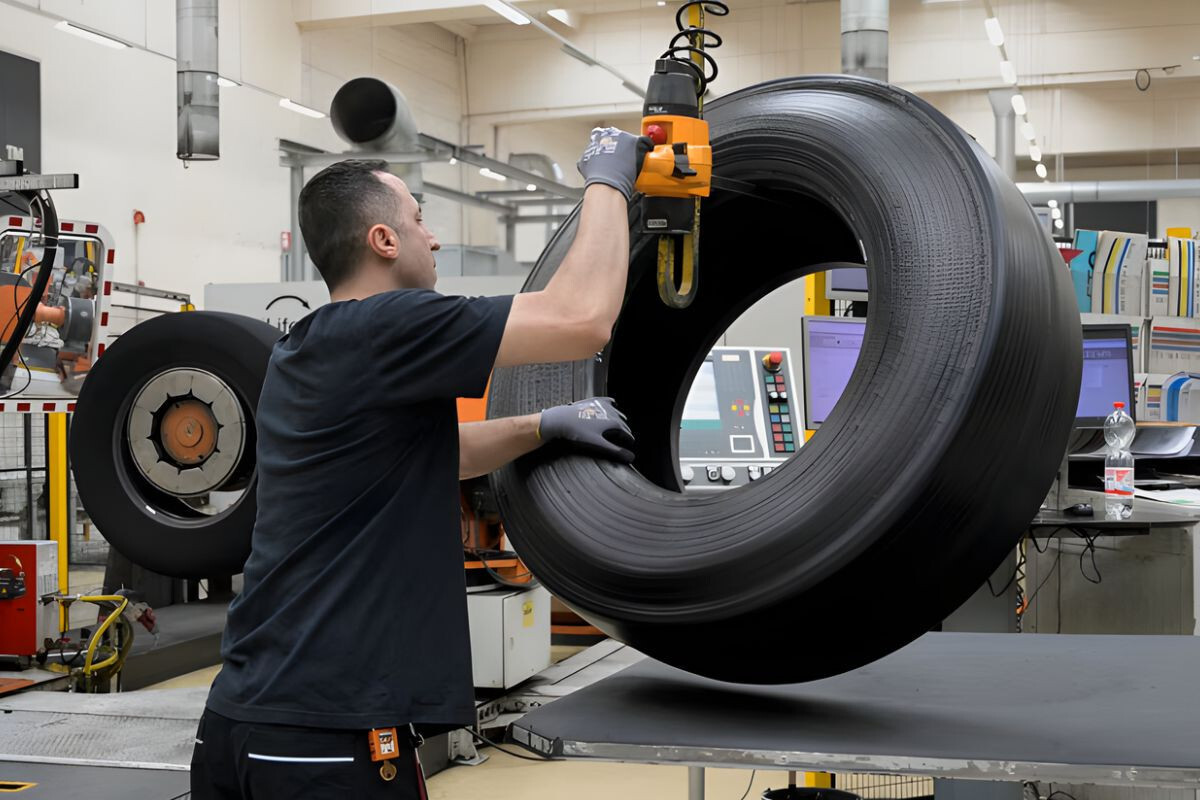
German industrial production rebounded in September, but less than expected, official figures revealed on Thursday, highlighting that Europe’s largest economy is still struggling to regain momentum.
Factory output increased by 1.3 percent month-on-month, according to preliminary data from the federal statistics agency Destatis, following a 3.7 percent decline in August. Analysts surveyed by financial data firm FactSet had anticipated a stronger rebound of around three percent for September.
Germany’s economy has been mired in a prolonged downturn, grappling with an industrial slump, weak export demand, and additional pressures from US tariffs. There had been hopes for a more sustained upturn this year, particularly supported by a government spending boost spearheaded by Chancellor Friedrich Merz, but recovery remains tentative.
“The recovery in industrial production in September cannot be interpreted as a sign of a fundamental turnaround,” the economy ministry said in a statement. It noted that manufacturing “remains weak, particularly in energy-intensive sectors.”
The positive September reading comes after a challenging August, which was affected by one-off factors such as annual plant closures for holidays in the crucial automotive sector. Destatis reported that the auto industry saw a robust rebound in September, with output rising over 12 percent. Gains were also recorded in the production of computers, electronics, and optical products.
However, there were declines in the manufacture of machinery and equipment, as well as in the construction sector.
ING bank economist Carsten Brzeski described the figures as showing “weak signs of life.” He added, “Over the coming months, industrial production should show very tentative improvements. However, any of these improvements will be of a cyclical nature, coming from very low levels, and should not be mistaken for structural improvements.”
After two consecutive years of recession, the German government is projecting meagre economic growth of just 0.2 percent in 2025.




Comments