Sunday, 5th April 2026
Khabor Wala Desk
Published: 11th April 2025, 6:18 PM
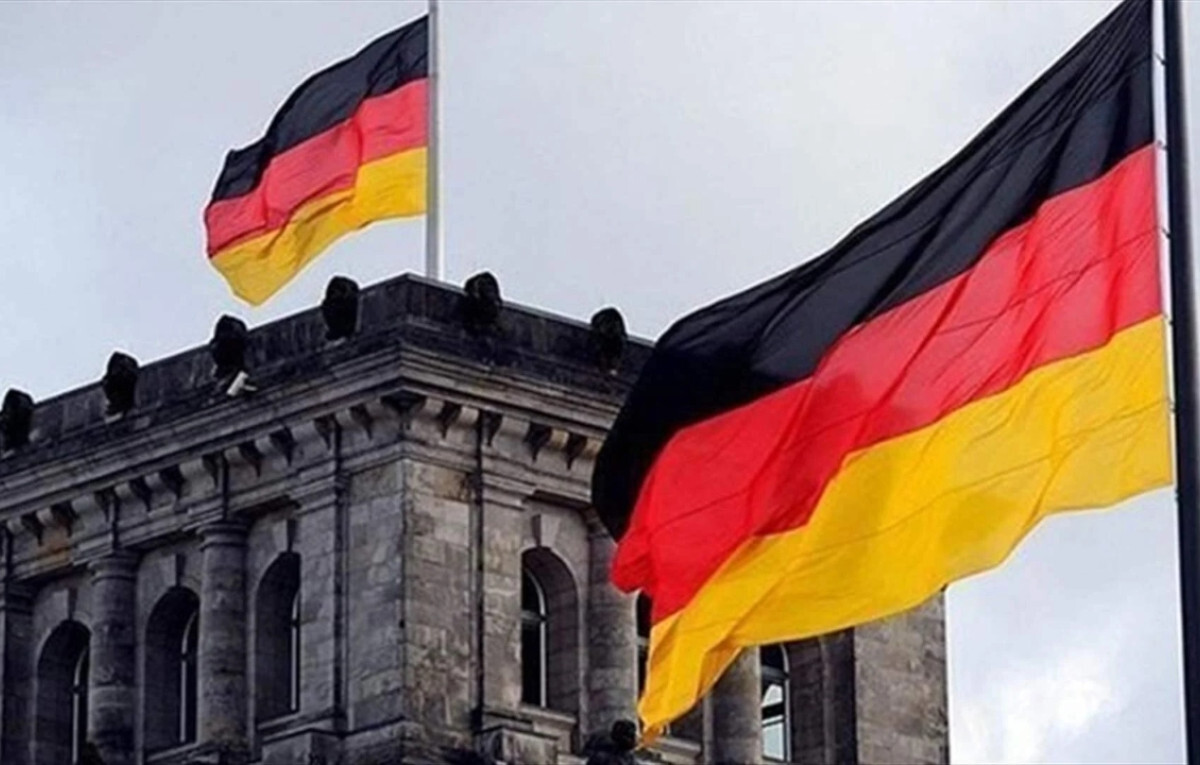
BERLIN, 11 April 2025 (BSS/AFP) – Germany has called for a “diplomatic solution” ahead of pivotal nuclear negotiations between Iran and the United States, scheduled to take place this Saturday in Muscat, Oman. The plea comes in the wake of renewed tensions following President Donald Trump’s remarks that military action against Iran remains a possibility should the discussions fail.
Speaking at a press briefing, German foreign ministry spokesman Christian Wagner emphasised the importance of diplomacy, describing the upcoming dialogue as “a positive development”. He noted that maintaining open communication between Tehran and Washington is essential, especially amid rising international concerns over Iran’s nuclear ambitions.
“We need a diplomatic solution,” Wagner stated. “It is encouraging that there remains a channel for dialogue between Iran and the United States.”
The forthcoming talks aim to ease longstanding hostilities between the two nations, particularly over Iran’s nuclear programme. The West has repeatedly expressed fears that Iran may be attempting to develop nuclear weapons—an accusation Tehran has firmly denied, insisting its programme is purely for peaceful purposes.
| Key Issues at Stake | Details |
|---|---|
| Nuclear Enrichment | Iran has significantly expanded uranium enrichment beyond 2015 limits. |
| US Threat of Force | President Trump warned of possible military intervention if diplomacy fails. |
| Diplomatic Momentum | Germany, France, and the UK (the E3) continue efforts to revive the 2015 deal. |
President Trump, who previously withdrew the US from the landmark 2015 Joint Comprehensive Plan of Action (JCPOA), sent a letter last month to Iran’s supreme leader Ayatollah Ali Khamenei, encouraging fresh negotiations. He reiterated this stance on Wednesday, stating that military action was “absolutely” on the table should talks break down.
Germany remains deeply alarmed by Iran’s expanding nuclear capabilities. According to Wagner:
“Iran has continuously escalated the situation, significantly expanding enrichment capacities. Finding a resolution to this issue becomes increasingly urgent.”
Germany, along with France and the United Kingdom, was part of the 2015 nuclear accord that offered Iran sanctions relief in exchange for stringent curbs on its nuclear programme. Since the US withdrawal in 2018, efforts to salvage the agreement have faced numerous obstacles, though talks with the E3 resumed in 2024.
Germany confirmed that it is working in “close coordination with the United States”, aiming to ensure Iran does not obtain nuclear weapons—a scenario Berlin believes could severely destabilise the Middle East.
“The shared goal of the E3 is to find a peaceful solution that prevents Iran from acquiring nuclear arms,” Wagner reiterated.
With talks in Muscat approaching, the world watches closely. The outcome may determine whether diplomatic engagement can still succeed in resolving one of the most volatile geopolitical issues of the decade—or whether the region moves a step closer to potential conflict.
| Participants | Iran, US (originally), UK, France, Germany, China, Russia |
|---|---|
| Signed | 14 July 2015 |
| Key Provisions | Sanctions relief in exchange for limits on uranium enrichment and inspections |
| US Withdrawal | 8 May 2018 (under President Donald Trump) |
| Iran’s Response | Gradual breach of enrichment caps starting in 2019 |
| Current Status | Efforts ongoing to revive the deal; E3 and US involved |
The outcome of this weekend’s discussions could prove decisive in shaping the future of nuclear diplomacy with Iran.


Comments