Sunday, 5th April 2026

Khabor Wala Desk
Published: 22nd November 2025, 11:43 AM
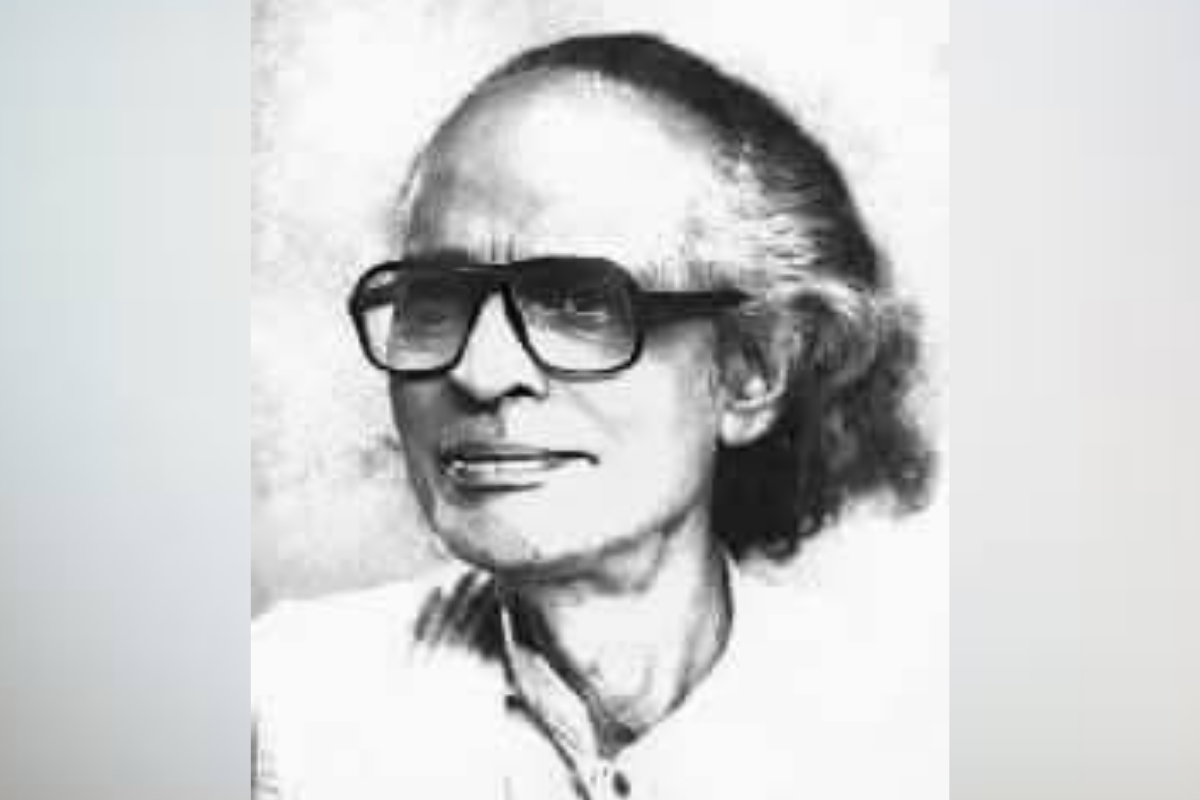
Standing on the soil of folk music, Hemanga Biswas ignited the flame of mass songs in the hearts of the Bengali people. He was not only an artist but also a poet, composer, writer, activist, and the voice of the common people.
Born on 14 December 1912 in Mirasir village, Habiganj, Sylhet, Hemanga Biswas pursued his studies at Murari Chand College after completing schooling at Habiganj High School. During his college years, he became involved in the independence movement. In 1932, he joined the Communist Party and was first imprisoned in 1935 for political activities. In 1948, he was imprisoned again for three years during the Telangana movement.
In 1938-39, together with Binoy Roy, Niranjan Sen, and Debabrata Biswas, he helped establish the Indian People’s Theatre Association (IPTA). In 1943, he founded the Sylhet People’s Theatre, which brought the pain, struggles, and hopes of ordinary people to the stage through drama and music.
His immortal songs, including “Give Your Castanets a Strong Beat” and “Kishan Bhai, Your Golden Rice is Ready,” became anthems of protest in Assam and Bengal. The struggles of farmers and labourers, the plight of marginalised people, and a spirit of resistance were central to his music.
Hemanga Biswas also promoted international cultural friendship, visiting China twice as part of India–China friendship initiatives. In the later years of his life, he formed the ‘Mass Singers’ group, performing across villages and towns for oppressed communities.
His musical repertoire encompassed the full diversity of Bengali folk traditions—Jhumer, Bhawaiya, Bagri, Murshidi, Baul, Dhamaïl, and many others. He directed music for numerous plays, including ‘Kallol’, ‘Tir’, and ‘Lal Lanthan’. His compositions evoked the fragrance of Bengal’s rivers, the dust of fields, and the unrecorded history of the people.
Hemanga Biswas passed away on 22 November 1987, but his songs continue to resonate in fields and villages, illuminating the hearts of the people. He remains an enduring symbol of the people’s music, dreams, and struggle.


Comments