Sunday, 5th April 2026

Khabor Wala Desk
Published: 2nd March 2026, 12:59 AM
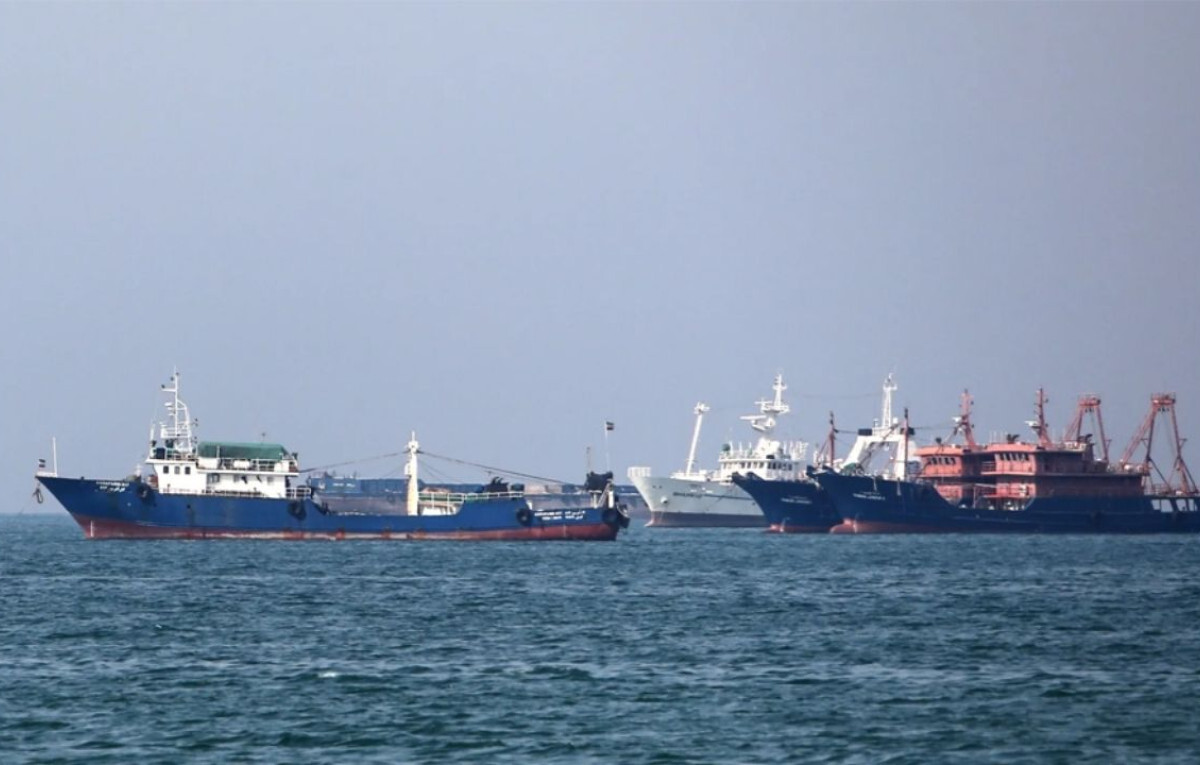
The world’s most critical maritime energy artery has ground to a halt following the devastating joint US-Israeli aerial offensive against Iran. As of Monday, 2 March, the Strait of Hormuz—the narrow gateway separating the Persian Gulf from the Gulf of Oman—has become the site of a historic naval deadlock. Hundreds of vessels, including Ultra Large Crude Carriers (ULCCs) and Liquefied Natural Gas (LNG) tankers, are currently stranded at both ends of the strategic waterway, sparking fears of a global economic contagion.
Real-time satellite data from the tracking platform MarineTraffic reveals a staggering accumulation of tonnage. According to reports from Reuters, at least 150 massive tankers are currently anchored in open waters outside the strait, effectively creating a stationary blockade of combustible energy. These vessels, described by industry insiders as “floating mountains of oil,” are awaiting security clearance that may not come for days, if not weeks.
The paralysis began on Saturday morning immediately following the strikes on Iranian soil. In response to the heightened risk of kinetic warfare and potential Iranian mine-laying or drone harassment, major shipping conglomerates and trading houses have issued a “stop-sail” order. Most vessels have sought sanctuary near the coasts of Saudi Arabia, Qatar, and Iraq, maintaining a wary distance from the Iranian shoreline.
The Strait of Hormuz is not merely a regional path; it is the jugular vein of the global economy. The current bottleneck threatens to sever the supply chain for approximately 20% of the world’s daily petroleum consumption.
Table: Impact Analysis of the Hormuz Transit Halt
| Energy Commodity | Global Supply Share | Primary Exporters Affected | Estimated Daily Volume |
|---|---|---|---|
| Crude Oil | ~20–25% | Saudi Arabia, Iraq, UAE, Kuwait | 18–21 Million Barrels |
| LNG (Gas) | ~20% | Qatar (World’s top exporter) | 10–12 Billion Cubic Feet |
| Refined Products | ~10% | Regional Refineries | 3–5 Million Barrels |
| Vessels Stranded | N/A | International Fleets | 150+ Heavy Tankers |
The implications of this maritime stasis are profound. Experts warn that for every day the strait remains impassable, the global “net deficit” of oil grows by millions of barrels. This supply shock is expected to drive Brent crude prices toward the $100–$120 range almost instantaneously.
Beyond the fuel pump, the crisis threatens to cripple industrial manufacturing and electricity generation, particularly in Asian markets like Japan, South Korea, and India, which rely heavily on Qatari LNG and Saudi crude. If the “Axis of Resistance” follows through on threats to permanently block the passage, the resulting inflationary pressure could trigger a worldwide recession.
For now, the international community remains in a state of high-altitude surveillance, watching as the world’s energy reserves sit motionless in the heat of the Persian Gulf, held hostage by the looming spectre of total war.




Comments