Sunday, 5th April 2026

খবরওয়ালা অনলাইন ডেস্ক
Published: 11th August 2025, 3:37 PM
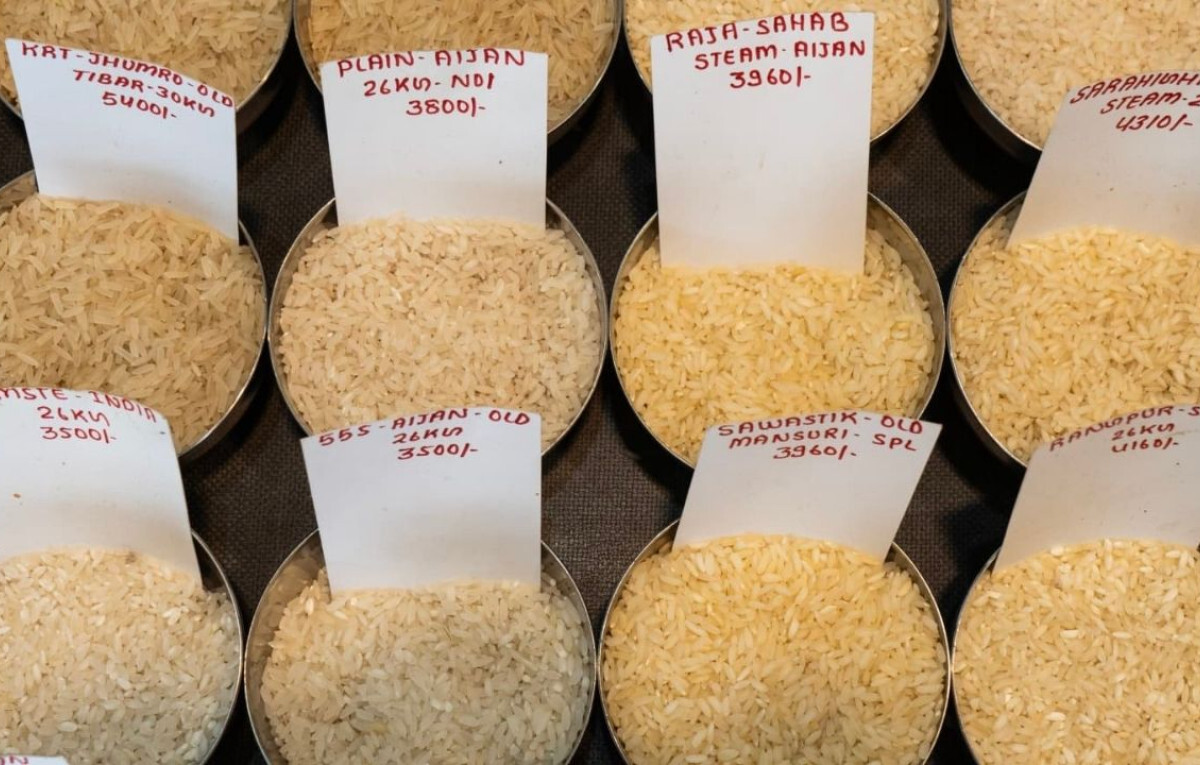
Global rice prices have fallen to their lowest level in eight years. This decline is attributed to record production and India lifting its export restrictions, which increased supply in the international market.
The export price of Thailand’s 5% broken white rice is considered a benchmark for the global market. Recently, the price has dropped to USD 372.50 per tonne, marking a 26% decrease compared to late last year and the lowest since 2017. Despite this fall in global rice prices, the impact has not been felt in the domestic market.
The downward trend in rice prices began in September last year, when India, the world’s largest rice exporter, started gradually removing export bans. This significantly affected the rice market. According to data from the United Nations Food and Agriculture Organization (FAO), the price index for all types of rice has dropped by 13% this year. The Financial Times reported this development.
Samare Ndramohanti, Director of the Centre for Sustainable Agriculture and Development Studies at Telangana State Agricultural University in India, told the Financial Times that the situation is straightforward—there is an oversupply in the market. Last year, India achieved record rice production, and it is expected to reach another record harvest this year.
However, early 2024 saw the opposite scenario. India imposed a series of export restrictions, causing rice prices to soar to their highest levels since 2008. This triggered panic among consumers worldwide, leading to hoarding behaviours. Other producing countries also adopted protectionist measures.
Oscar Tjakhra, Senior Analyst at Rabobank, explained that after the record harvest of the 2023-24 season, India’s government warehouses became full, prompting a change in export policy late in the year. Since then, restrictions have been relaxed, which is the primary reason for falling rice prices. Additionally, increased production in Thailand and Vietnam pushed global rice output to record levels during the marketing season.
Another key factor behind the price drop is falling demand. Major rice buyers like Indonesia imported in advance last year and have not purchased rice from the market in 2025. The Philippines also halted rice imports until October to protect domestic prices during the main harvest season. Mohanti noted that with Indonesia and the Philippines absent, there are currently very few buyers for white rice.
The Financial Times highlighted that India’s unusual surplus is a result of agricultural advancements. Nearly all of India’s major rice-growing regions now have irrigation systems in place, securing production during droughts and erratic rainfall.
Experts say India has largely overcome its reliance on seasonal rains, ensuring stable rice production. Farmers are now planting new seeds almost every season, boosting yields. Furthermore, minimum support prices (MSP) and state-level bonuses incentivise farmers to grow more rice. Farmers recognise that rice is the most profitable crop—backed by MSP, bonuses, and lower risk—leading to increased production.
However, many Asian countries lack such protections for farmers. When prices fall, farmers’ incomes are severely affected, exacerbating challenges caused by high cultivation costs and inflationary pressures.
While the falling global prices bring relief to consumers, especially in rice-importing countries, they help reduce overall food inflation and ease household budget pressures. Rice prices have already dropped significantly this year, and analysts predict they could fall by a further 10%. The primary reason is the lack of buyers in the market.
According to Mohanti’s calculations, in May this year, the Indian government held nearly six million tonnes of rice in stock—about 1.5 million tonnes more than the average for recent years. To make room for new harvests, New Delhi is selling rice domestically and even for ethanol production.
Mohanti added, “We have entered a cycle of declining rice prices. Unless disrupted by war or other major shocks, this trend is unlikely to change within the next two years.”
Despite falling global prices, rice prices in the country have risen by nearly 16% over the year. Most recently, in July, prices for all types of rice increased by BDT 5-6 per kilogram. Prices have even risen during the peak harvesting season.
Around 1.3 million tonnes of rice were imported in the past year. The recent Boro harvest was also good, yet rice prices have not decreased—in fact, they have gone up.
Analysts point out that the country is not self-sufficient in rice production. Timely imports are necessary to prevent demand pressures from creating artificial scarcity in the market. If supply is stable, opportunities for market manipulation decrease. However, rice imports are generally banned and only allowed with special government permission. Delayed imports often open the door for manipulation in the market.
Rice is the staple food for the population. Price increases in rice have the greatest impact on inflation. For poor families, rice is a major expense. Therefore, analysts emphasise that controlling rice prices is crucial.




Comments