Monday, 6th April 2026

Khabor Wala Desk
Published: 6th March 2026, 4:37 AM
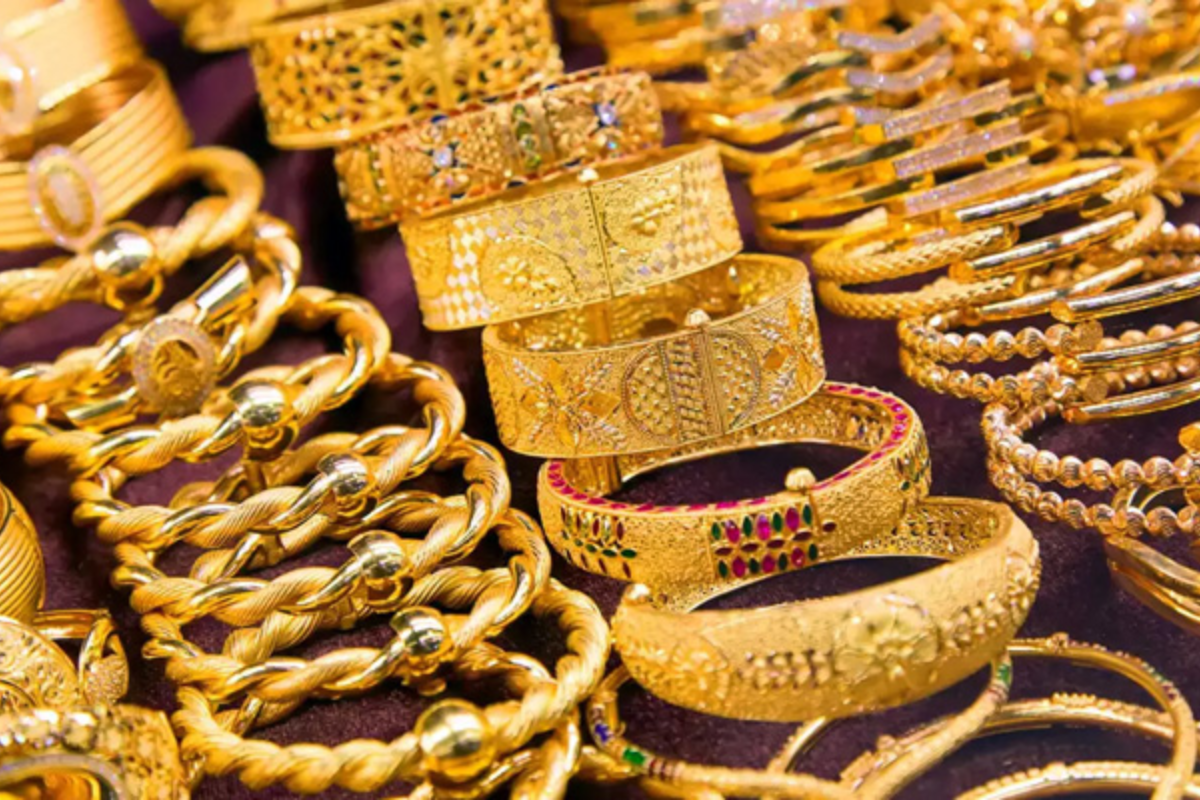
After six consecutive increases, gold prices in Bangladesh have finally experienced a significant drop. The Bangladesh Jewellers Association (BAJUS) announced on 6 March 2026 that the price of gold per bhori has been reduced by BDT 9,214. The new rates are now officially effective across the country, offering relief to consumers who had been grappling with sustained price surges.
According to BAJUS, the reduction in gold prices is driven by a combination of increased local supply of pure gold (tejabi gold) and the influence of global market trends. Just days prior, on 3 March, the price of gold had been raised by BDT 3,324 per bhori. However, the latest sharp decrease has largely offset those earlier increases, bringing the market back to more moderate levels.
The drop is seen as a welcome development for ordinary buyers, particularly amid a period of heightened demand for gold in domestic jewellery markets and traditional investment channels. Market analysts suggest that fluctuations in international gold prices, combined with seasonal supply adjustments, contributed to the sudden price correction.
BAJUS has set the following new rates per bhori:
| Gold Type | New Price (BDT per bhori) |
|---|---|
| 22 Carat | 268,214 |
| 21 Carat | 256,025 |
| 18 Carat | 219,458 |
| Traditional Method | 179,159 |
These revised prices provide buyers with the first opportunity in several weeks to purchase gold at a significantly reduced rate. Jewellery retailers have reported an uptick in inquiries following the announcement, as consumers seek to capitalise on the temporary decline.
Since the beginning of 2026, BAJUS has adjusted gold prices a total of 37 times. Of these, 24 revisions were increases, while today’s substantial decrease marks the 13th instance of a price reduction this year. By comparison, in 2025, gold prices fluctuated 93 times, with 64 increases recorded, demonstrating the historically volatile nature of the commodity.
Analysts note that such frequent adjustments are typical in response to international market trends, currency fluctuations, and domestic supply shifts. The latest decline may also signal a period of stabilisation after months of rising prices, offering both investors and everyday buyers a reprieve.
While it remains uncertain how long these lower prices will persist, market observers advise buyers to monitor both global and local trends closely. Jewellery businesses are expected to recalibrate their stock and pricing strategies in response, balancing demand with the new market reality.
The recent price correction underscores the dynamic nature of Bangladesh’s gold market and reflects the ongoing interplay between international factors and domestic supply conditions.




Comments