Sunday, 5th April 2026

Khabor Wala Desk
Published: 3rd February 2026, 1:20 PM
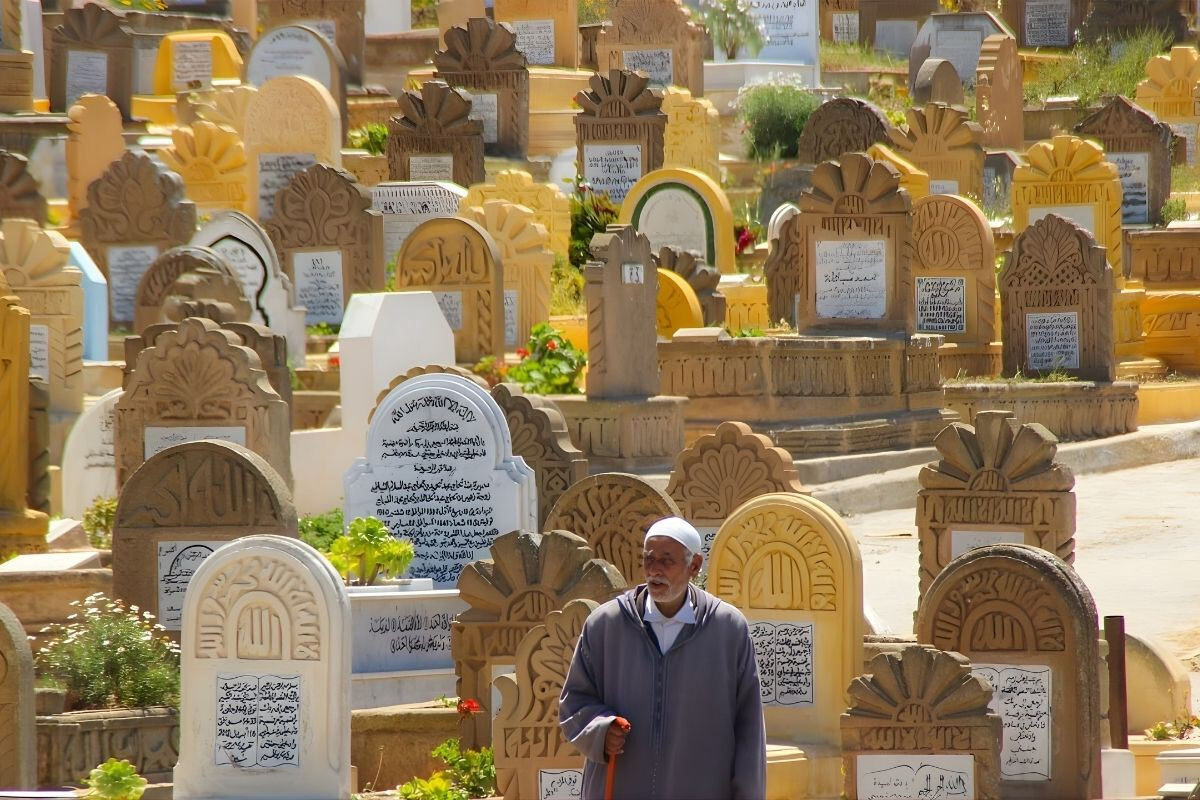
Grave visitation (ziyarat al-qubur) is a well-established Sunnah in Islam and is regarded as a deeply reflective act of worship, particularly on the blessed night of Shab-e-Barat (the fifteenth night of Sha‘ban). While graves may be visited on any day of the year, this night carries special spiritual significance, encouraging believers to remember death, prepare for the Hereafter, and pray for forgiveness—both for themselves and for those who have passed away.
The Prophet Muhammad (peace be upon him) regularly visited the graveyard of Jannatul Baqi in Madinah. He would remain there for some time, offering supplications for the deceased. Emphasising the wisdom behind this practice, he said: “Visit the graves, for indeed they diminish attachment to worldly life and remind one of the Hereafter” (Sunan Ibn Majah: 1571). This statement highlights the moral and spiritual benefits of grave visitation, making it an act of self-reflection rather than ritual alone.
Authentic narrations indicate that the Prophet (peace be upon him) also visited Jannatul Baqi on the night of mid-Sha‘ban. Hazrat Aisha (may Allah be pleased with her) related that on one such night she found the Prophet at the graveyard, praying for the inhabitants. He explained that on this night Allah descends to the nearest heaven and grants forgiveness to a vast number of people—more than the hairs on the sheep of the Banu Kalb tribe (Sunan al-Tirmidhi: 737). This narration underscores why Shab-e-Barat is associated with mercy, forgiveness, and prayer for the deceased.
Muslims are therefore encouraged on this night to follow the Prophetic example by visiting the graves of relatives and fellow believers, praying for their forgiveness and elevation in rank. It is hoped that through sincere supplication, Allah grants mercy to the deceased and rewards the living with forgiveness and spiritual merit.
Upon entering the graveyard, one should begin with the prescribed supplication of greeting. Thereafter, with the intention of isal al-thawab (conveying reward), one may recite salutations upon the Prophet (durud), verses from the Qur’an, and make du‘a for the forgiveness of the deceased. Supplication may be made silently or aloud; however, it is recommended not to raise one’s hands directly facing the grave. Instead, one should turn towards the qiblah, keeping the grave behind or to the side.
The following table summarises commonly recited supplications and Qur’anic passages during grave visitation:
| Practice | Purpose |
|---|---|
| Durud Sharif | Sending blessings upon the Prophet |
| Surah al-Fatihah | Conveying reward and mercy |
| Ayat al-Kursi | Seeking protection and forgiveness |
| Surah al-Ikhlas | Affirming divine oneness |
| Personal du‘a | Praying for forgiveness of the deceased |
Among the supplications reported, Abdullah ibn Abbas (may Allah be pleased with him) narrated that the Prophet would say when greeting the people of the graves:
“Peace be upon you, O inhabitants of the graves. May Allah forgive us and you. You have gone ahead of us, and we shall follow you.” (Sunan al-Tirmidhi: 596)
Similarly, Abu Hurayrah (may Allah be pleased with him) reported another supplication:
“Peace be upon you, abode of believing people. Indeed, Allah willing, we shall join you.” (Sahih Muslim: 249)
Through such practices, Shab-e-Barat becomes not only a night of personal repentance, but also a moment of compassion, remembrance, and spiritual connection with those who have returned to their Lord.




Comments