Sunday, 5th April 2026

Khabor Wala Desk
Published: 15th October 2025, 9:31 AM
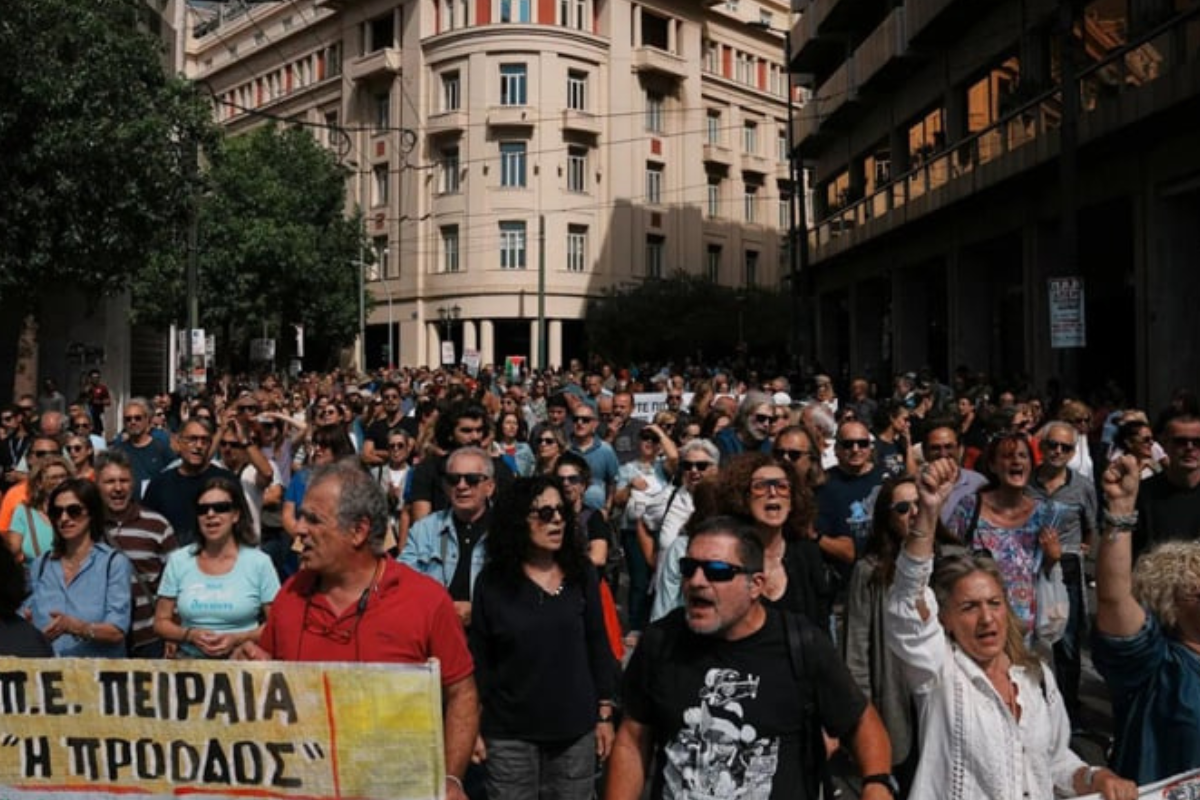
The Greek Parliament was set on Wednesday to approve a highly contentious labour reform permitting employees to work up to 13 hours per day under exceptional circumstances. The proposal has drawn fierce criticism from unions and opposition parties, who argue it represents a significant rollback of workers’ rights.
With the ruling conservative party holding 156 seats in the 300-member chamber, the reform is expected to pass comfortably despite widespread public opposition.
Greek trade unions have mounted strong resistance to the legislation, organising two nationwide general strikes this month, the most recent on Tuesday, paralysing transport and key public services.
Union leaders insist the new law will pave the way for systematic overwork, eroding labour protections established over decades.
“Our health — both mental and physical — and the balance between personal and professional life are goods that cannot be replaced with money,” said Stefanos Chatziliadis, a senior member of the ADEDY civil service union, during a rally in Thessaloniki.
“Making it legal to work from morning till night is not normal. It is barbaric, inhuman, and unacceptable in a civilised society.”
Labour Minister Niki Kerameus defended the bill, stressing that the 13-hour workday would remain strictly voluntary, apply only to the private sector, and be limited to a maximum of 37 days per year.
“It requires an employee’s consent,” Kerameus told Skai TV on Tuesday.
She also revealed that her ministry had rejected proposals from employers seeking to extend working hours even further, insisting that existing safeguards prevent abuse.
According to the government, the reform is aimed particularly at service-based industries, especially during the summer tourism season, when seasonal demand surges. Officials argue that the flexibility will reduce the need for additional hiring and enhance competitiveness in a crucial sector of Greece’s economy.
| Key Features of the Proposed Labour Reform | Details |
| Workday Extension | Up to 13 hours per day under exceptional conditions |
| Applicability | Private sector only |
| Employee Consent | Mandatory for extended hours |
| Frequency Limit | Up to 37 days per year |
| Purpose | Address labour shortages during high-demand seasons |
| Union Position | Strongly opposed; cites health and social risks |
Opposition parties have condemned the measure as a thinly disguised attempt to normalise overwork, warning that many employees will face implicit pressure to comply with extended hours out of fear of losing their jobs.
“This is the first step toward extending working hours even further,” said Maria, a 46-year-old construction company employee. “In the private sector, you can’t really refuse — employers always find ways to impose what they want.”
Labour advocates argue that Greece’s existing work culture is already among the most demanding in Europe.
| Work Hours Comparison (Eurostat) | Greece | EU Average |
| Average Weekly Hours Worked | 39.8 hours | 35.8 hours |
| Legal Daily Limit (Current) | 8 hours, with paid overtime | Varies by member state |
| New Proposal | Up to 13 hours/day (with consent) | — |
This controversial bill follows an earlier government decision to legalise a six-day working week for certain industries, particularly those linked to tourism and manufacturing, where demand peaks seasonally.
The new law, critics say, risks entrenching a culture of overwork and exhaustion rather than solving structural employment problems such as underpayment, lack of job security, and weak union representation.
Despite assurances from the government, public sentiment remains largely negative. For many Greeks, the reform symbolises not flexibility — but the gradual erosion of hard-won labour rights in a country still recovering from years of economic austerity.




Comments