Sunday, 5th April 2026

Khabor Wala Desk
Published: 20th February 2026, 4:34 AM
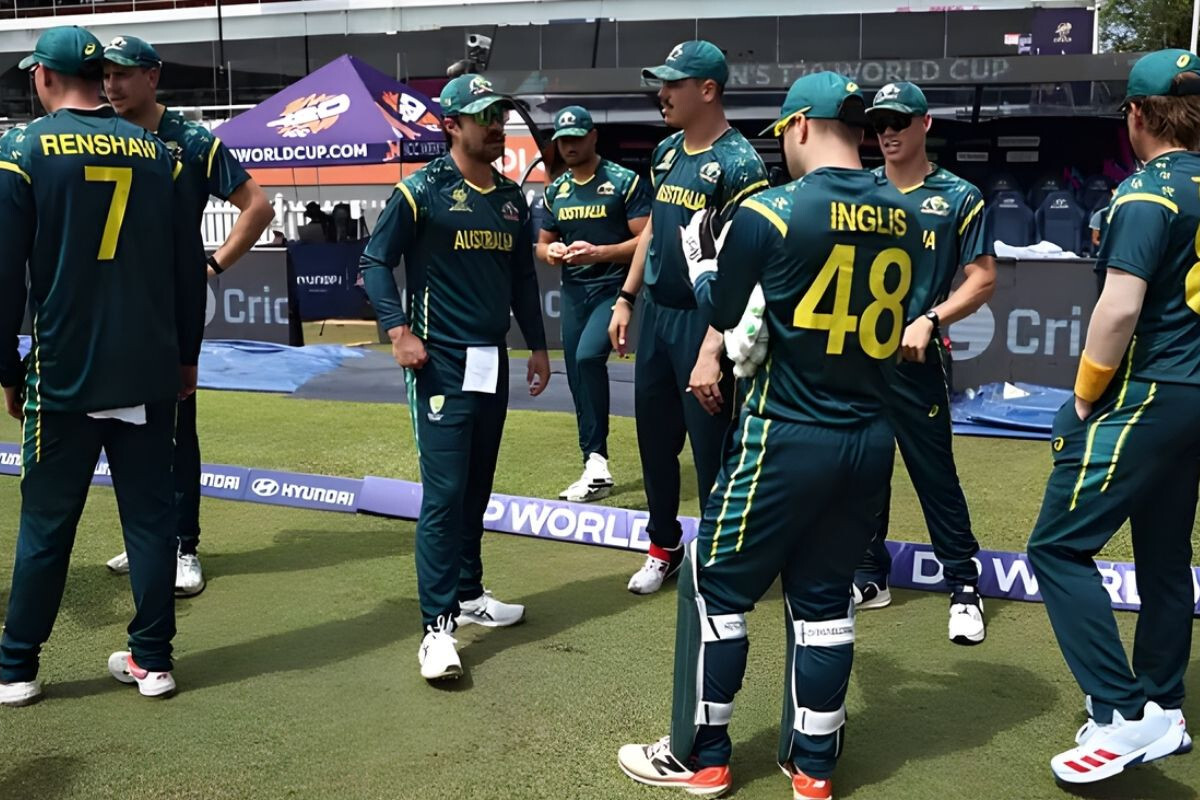
For cricket fans in Australia, staying up until 12:30 a.m. to watch a match is no easy task. For those with work the next morning, the challenge multiplies, and for anyone following a disciplined sleep-work routine, watching four extra hours into the night can feel like a punishment—especially when the match holds little significance.
Yet, that is precisely the dilemma facing Australian supporters tonight. At the Pallekele Stadium in Sri Lanka, Australia will play its final Group B match of the T20 World Cup against Oman. While the game begins locally at 7:30 p.m., Australian viewers will see the clock strike 12:30 a.m.—a late-night spectacle for what has effectively become a meaningless fixture.
The match carries no stakes for captain Mitchell Marsh’s side, as Australia’s exit from the group stage was confirmed well in advance. This edition of the World Cup saw Australia field a secondary squad, and the International Cricket Council (ICC) had already outlined the super 8 progression. Under normal circumstances, Marsh’s team would have moved from Sri Lanka to India for the super 8 phase. However, defeats to Zimbabwe and Sri Lanka ensured the squad’s early return home from Colombo.
Australia’s early departure from the group stage is not unprecedented. In the 2009 T20 World Cup, Ricky Ponting’s team had similarly bowed out following defeats to Sri Lanka and the West Indies. Yet the contrast with this year is stark: that earlier campaign featured only three teams per group, and Australia had glimpsed a path forward before a final defeat sealed its fate. This time, with a five-team group, a solitary victory over Ireland could not prevent the cumulative setbacks against Zimbabwe and Sri Lanka.
| Date | Opponent | Result | Margin |
|---|---|---|---|
| 23 Jan | Ireland | Won | 67 runs |
| 25 Jan | Zimbabwe | Lost | 23 runs |
| 28 Jan | Sri Lanka | Lost | 8 wickets |
| 20 Feb | Oman | TBD | TBD |
After three challenging days in Sri Lanka, the Australian squad faces its last fixture on 20 February—a contest that has shifted from a potential “super 8 warm-up” to a mere formality. Despite being unbeaten against associate nations in T20 history and having previously defeated Oman by 39 runs in this tournament, the team now struggles with confidence.
Australia entered the 2024 tournament as one of the favourites, with the recent ICC T20 World Cup in India (2023) still fresh in memory. The irony is stark: a team once tipped to challenge for the trophy now exits the group stage without a chance to compete in the super 8 phase in India. For fans, the late-night viewing will be less about excitement and more about witnessing an inevitable conclusion to a once-promising campaign.




Comments