Sunday, 5th April 2026

Khabor Wala Desk
Published: 30th July 2025, 4:07 PM
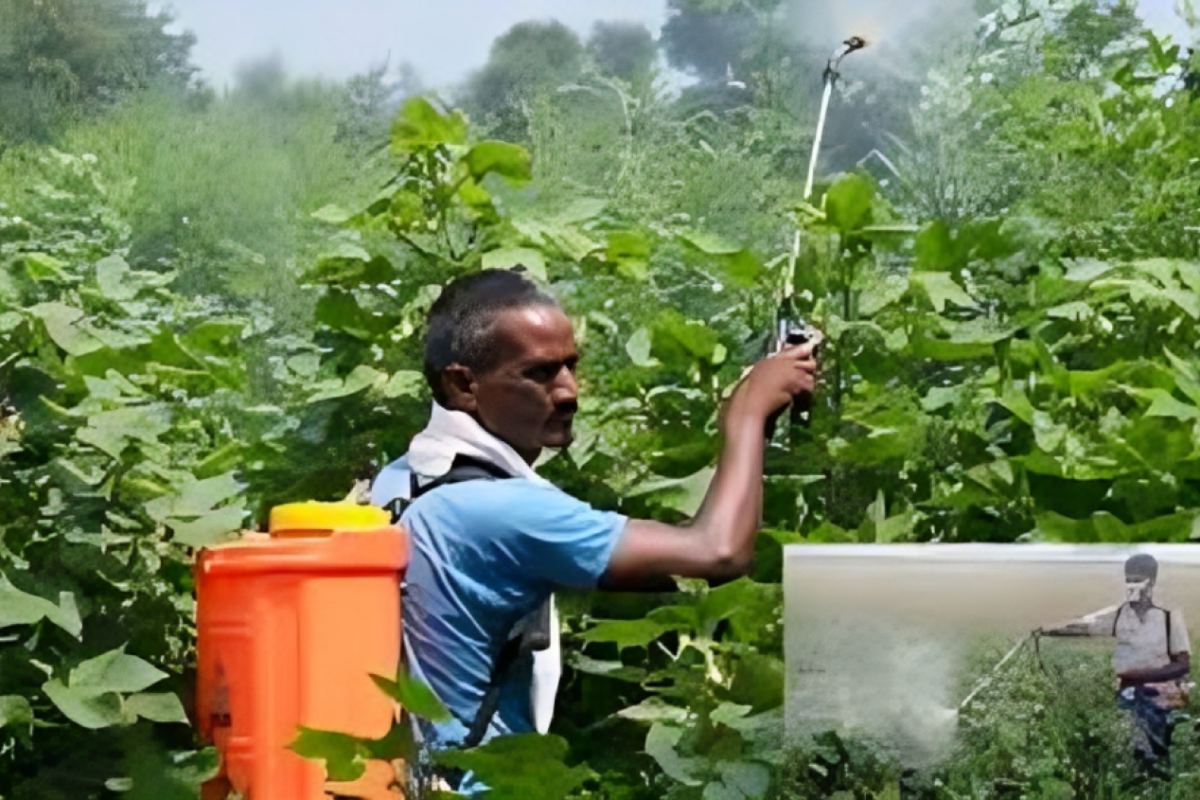
The unregulated and widespread use of hazardous pesticides in agriculture—particularly in the Barind region of Rajshahi—is emerging as a major threat to public health and the environment, experts have warned.
This concern was raised at a press conference titled “Hazardous Pesticides: Impact on Public Health and Environment”, held today at a city hotel. The event was organised by the Bangladesh Resource Centre for Indigenous Knowledge (BARCIK), a research-based development organisation, to present the findings of its latest field-level study on pesticide use and its consequences.
Alarming Health Effects on Farmers
Speaking at the conference, Shahidul Islam, BARCIK’s Regional Coordinator, reported that many grassroots farmers regularly suffer from acute symptoms such as:
He highlighted that long-term exposure to these toxic chemicals is associated with:
He also emphasised that pesticide residues in vegetables and other food products are a serious risk for consumers, particularly children and pregnant women, due to the bioaccumulative nature of these chemicals.
Environmental Degradation from Pesticides
Pavel Partha, BARCIK Director and lead researcher, warned that pesticide runoff is contaminating surface and groundwater, directly affecting:
“Pesticides are harming non-target organisms, disrupting ecological balance, and impairing crop growth,” said Partha.
He further noted that crops like beans and eggplants are especially prone to excessive pesticide use in the Barind region, where groundwater levels are already declining due to over-irrigation—compounded by chemical inputs.
Unsafe Market Practices
Partha also revealed a concerning trend: banned pesticides continue to circulate in local markets, often rebranded under new names. Alarmingly, both farmers and pesticide vendors are frequently unaware they are using or distributing prohibited substances.
Recommendations by Experts
To address the growing crisis, BARCIK experts made several key recommendations:
| Recommendation | Objective |
| Stricter enforcement of pesticide regulations | Ensure compliance with safe usage and withdrawal periods |
| Awareness campaigns for farmers | Educate on the health and environmental dangers of improper pesticide use |
| Promotion of Integrated Pest Management (IPM) | Reduce dependence on hazardous chemicals |
| Monitoring of residues in food, soil, water | Protect consumer health and ecological systems |
| Research on long-term health impacts | Guide future policymaking and agricultural practices |
“Eco-friendly agricultural alternatives and consistent monitoring are vital to reversing this toxic trend,” Partha stressed.
The findings underscore the urgent need for coordinated action from regulatory bodies, agricultural experts, and local communities to mitigate the health and environmental impact of pesticide misuse in Rajshahi and beyond.


Comments