Sunday, 5th April 2026

Khabor Wala Desk
Published: 25th March 2026, 3:23 PM
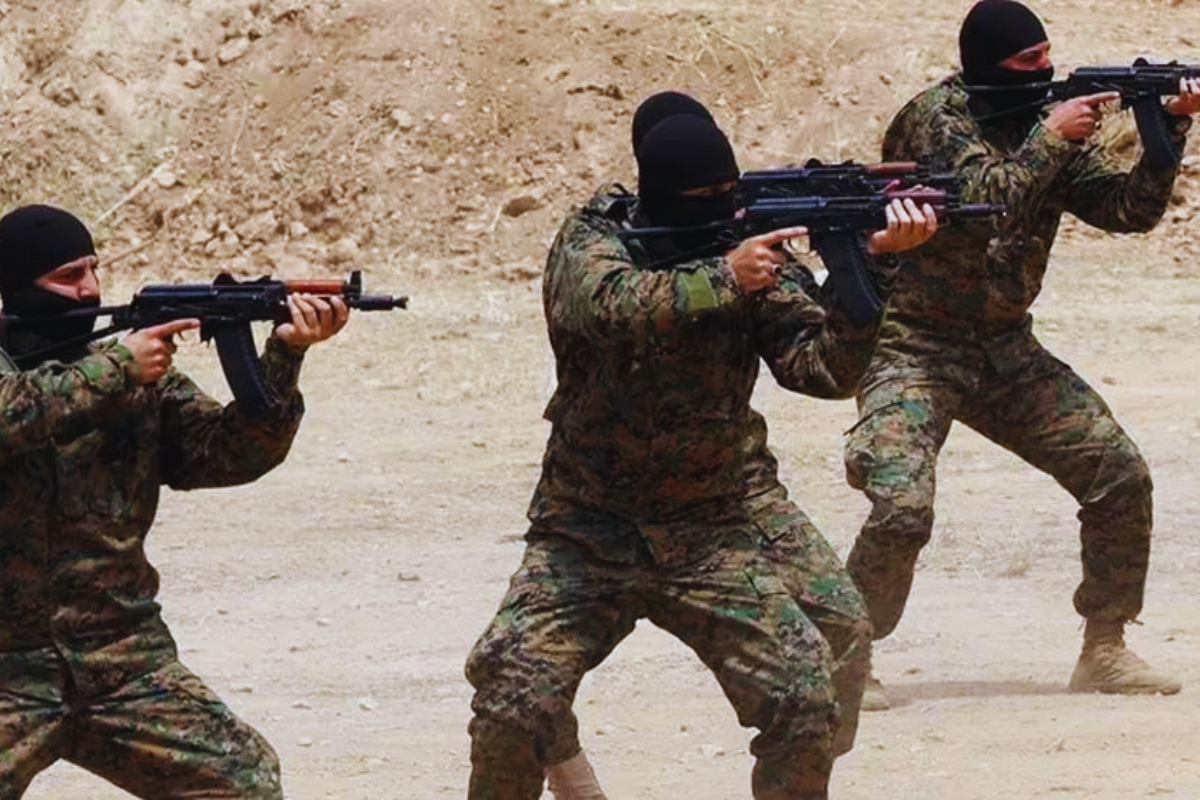
Tensions in the Middle East have escalated sharply as hostilities continue between Israel, its ally the United States, and Iran. For 26 consecutive days, Israel and the U.S. have been engaged in military operations against Iranian targets. The offensive began on 28 February in Tehran, prompting immediate retaliatory strikes by the Islamic Republic’s armed forces. Within two days, Lebanon’s Hezbollah joined the counter-offensive, opening a second front and further complicating Israel’s strategic position.
Amid these hostilities, Israel extended a proposal for negotiations, which Hezbollah categorically rejected. The militant group’s stance mirrors the approach of Iran, which has consistently declined diplomatic overtures from the United States during the ongoing conflict.
On Wednesday, 25 March, Hezbollah leader Naim Qassem declared that negotiations with Israel were not an option while attacks persisted. In a televised address, he stated that the struggle against Israel would continue “without limits.” Qassem emphasised that engaging in talks under the current circumstances would amount to a “humiliating surrender” and called for unity among Lebanese forces and allied groups against Israel.
The statement broadcast on a Hezbollah-affiliated television channel reaffirmed that its fighters are prepared to maintain an “unlimited” campaign, demonstrating their commitment to prolonged resistance. Qassem also appealed to the Lebanese government to lift restrictions on Hezbollah’s military activities, advocating for the group’s ability to operate freely in defence of its objectives.
Analysts suggest that Hezbollah’s rejection of negotiations, in conjunction with Iran’s ongoing military strategy, poses significant challenges for Israel, which now faces sustained attacks on two fronts. The conflict’s dynamics are summarised in the table below:
| Date | Event | Actor(s) | Impact/Commentary |
|---|---|---|---|
| 28 Feb | Israeli strike on Tehran | Israel | Initiates Iranian counter-attacks |
| 1-2 Mar | Hezbollah joins counter-offensive | Hezbollah | Two-front conflict against Israel begins |
| 25 Mar | Peace proposal rejected | Hezbollah | Declares “unlimited” resistance and unity call |
| 25 Mar | Appeal to Lebanese government | Naim Qassem | Lifts restrictions on Hezbollah military actions |
The development underscores the potential for prolonged conflict in the region. Observers warn that the alignment of Iranian and Hezbollah forces could intensify military pressure on Israel, complicating efforts to de-escalate tensions. The ongoing hostilities raise serious questions about regional security and the prospects for diplomatic resolution, as both sides appear committed to sustained confrontation.
With attacks continuing unabated, the Middle East faces an uncertain period ahead, where military escalation and political tension are likely to dominate headlines, and the possibility of peace negotiations remains distant.


Comments