Sunday, 5th April 2026

Khabor Wala Desk
Published: 28th January 2026, 1:01 AM
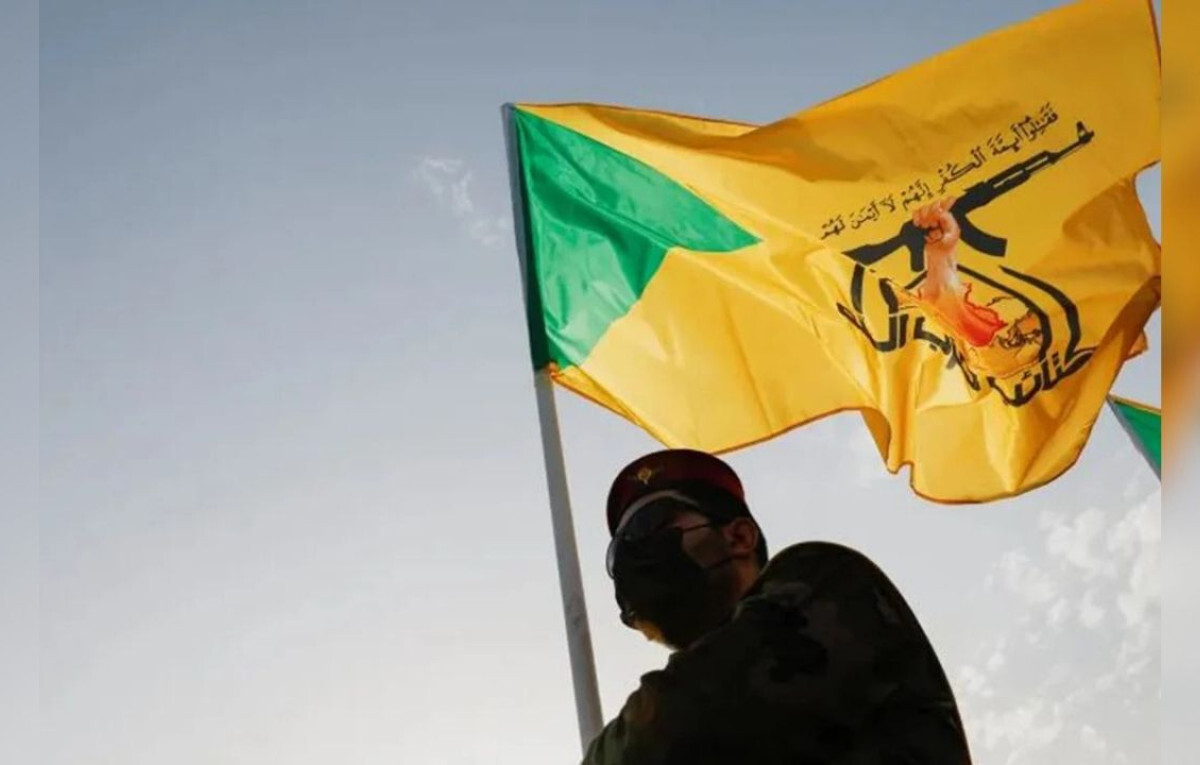
In a stern communique that has sent ripples across the Middle Eastern geopolitical landscape, Sheikh Naim Qassem, a pre-eminent leader of Hezbollah, has declared that the Lebanese militant group will not remain a “bystander” should Iran be subjected to external military aggression. Speaking via video link during a solidarity convention on Monday, Qassem articulated a doctrine of mutual defence, framing any offensive against the Islamic Republic as a direct strike against Hezbollah itself.
The warning, disseminated by the Hezbollah-affiliated Al-Manar television network, underscores the profound strategic and ideological ties between the Lebanese paramilitary organisation and Tehran. Qassem explicitly stated that Hezbollah maintains unwavering allegiance to the Iranian leadership, particularly the Supreme Leader, Ayatollah Ali Khamenei. In his view, the security of the “Resistance Axis” is indivisible; consequently, any threat aimed at the clerical establishment in Tehran is perceived as an existential threat to Hezbollah’s own operations and regional standing.
Delving into a historical critique, Qassem asserted that the United States has been orchestrating “conspiracies” to destabilise Iran since the inception of the 1979 Islamic Revolution. He specifically referenced the 1980s Iran-Iraq War, alleging that Washington utilised its regional allies—most notably Iraq under Saddam Hussein—as proxies to attempt the overthrow of the newly formed revolutionary government.
This rhetoric serves to reinforce the narrative of “Resistance” that defines the group’s identity. By invoking the memory of the eight-year conflict, Qassem seeks to galvanise supporters against what he describes as contemporary Western hegemony and Israeli military posturing.
The following table illustrates the key components and stated objectives of the alliance often referred to as the “Axis of Resistance,” of which Iran and Hezbollah are central pillars:
| Entity | Primary Role | Core Objective |
|---|---|---|
| Iran | Regional Patron | Strategic oversight and provision of financial/military logistics. |
| Hezbollah | Paramilitary Power | Deterrence against Israel; maintaining Iranian influence in the Levant. |
| Houthi Movement | Strategic Disruptor | Controlling the Red Sea corridor; pressure on Saudi-led coalitions. |
| Syrian Government | Territorial Link | Providing the vital land bridge for logistics between Tehran and Beirut. |
The timing of these remarks is particularly significant given the heightened tensions regarding Iran’s nuclear programme and its regional proxy network. By publicly abandoning the possibility of neutrality, Hezbollah is effectively raising the stakes for any nation contemplating a pre-emptive strike on Iranian soil. The message is clear: a conflict with Iran would not be a contained affair but would almost certainly trigger a multi-front regional war involving seasoned Hezbollah fighters on Israel’s northern border.
This declaration of “total support” reflects a calculated effort to project strength and unity at a time when economic sanctions and diplomatic isolation continue to pressure the Iranian-led alliance. For Western and regional intelligence agencies, Qassem’s words serve as a formalised warning of the asymmetric responses that would likely follow any escalation in the Persian Gulf.



Comments